
Blog
jvvnlrms Explained: A Practical Guide for New Users


If you have ever interacted with utility services in Rajasthan, chances are you have come across jvvnlrms without fully understanding what it does or why it exists. This system quietly supports everyday operations that most people only notice when something goes wrong. From account handling to service coordination, it plays a background role that affects real users daily. Understanding how it functions can save time, reduce confusion, and help you navigate common issues with more confidence.
Understanding the Purpose of the System
At its core, this system was designed to bring structure to complex operational workflows. Large utility networks manage thousands of consumers, employees, and service requests every day. Without a centralized platform, tracking tasks becomes slow and error prone. This system connects data, processes, and people so information moves smoothly instead of getting stuck in paperwork or manual follow ups.
For users, the impact is indirect but important. When records are accurate and processes are aligned, services feel more predictable. Requests move faster, complaints are easier to trace, and responses are more consistent. Even if you never log into the system yourself, its presence shapes how efficiently your issue is handled behind the scenes.
From an organizational point of view, the system reduces duplication of work. Instead of maintaining separate registers or disconnected tools, everything flows through one structured environment. That clarity matters because it allows teams to focus on solving problems rather than searching for missing details or repeating the same steps again and again.
Read More: DotMovies: Why This Movie Search Term Stays Popular
How Digital Record Management Improves Accuracy
Digital record management replaces handwritten logs and scattered spreadsheets with structured data entries. This shift improves accuracy because each action leaves a trace that can be reviewed later. When information is entered once and reused across processes, the chances of mismatch or loss drop significantly, which helps maintain trust in the overall system.
Another advantage is accountability. When every update is time stamped and linked to a specific role, it becomes easier to understand what happened and when. This discourages guesswork and finger pointing. Instead, teams can focus on correcting issues using clear evidence drawn directly from system records.
For consumers, accuracy means fewer surprises. Billing details, service history, and request statuses are easier to verify. When something looks off, support staff can quickly cross check records rather than relying on memory. That transparency builds confidence, even during situations that might otherwise feel frustrating or unclear.
User Roles and Access Control in Practice
Not everyone interacts with the system in the same way. Different roles are assigned based on responsibility, which helps maintain order. A field worker, for example, may only see task assignments and completion forms. Administrative staff handle approvals and reports. This separation keeps sensitive data protected while still allowing work to flow.
Access control also improves efficiency. When users only see what is relevant to them, screens stay simpler and tasks are easier to complete. There is less confusion about which buttons to click or which forms to fill. Over time, this reduces errors that often come from information overload.
From experience, well designed role management speeds up training. New staff members learn faster because the system does not overwhelm them with unnecessary options. That quicker learning curve translates into better service delivery, especially during peak demand periods when clarity and speed matter most.
Workflow Automation and Daily Operations
Automation is one of the most practical strengths of such platforms. Routine steps that once required manual follow up now move automatically from one stage to the next. A request submission can trigger verification, assignment, and closure without constant reminders. This saves time while keeping processes consistent across teams.
Consistency matters because it reduces dependency on individual habits. When workflows are automated, results do not change based on who is on duty. Everyone follows the same sequence, which improves reliability. That reliability becomes noticeable when services are delivered within expected timeframes more often.
In daily operations, automation frees up mental space. Staff spend less energy tracking progress and more on solving actual problems. Over time, this balance improves morale and performance. A system that quietly handles routine movement allows people to focus on decisions that require judgment and experience.
Data Visibility and Reporting Benefits
Clear visibility into data helps organizations understand patterns that would otherwise stay hidden. Reports generated from system data show trends in complaints, response times, and workload distribution. These insights support better planning because decisions are based on evidence rather than assumptions or isolated experiences.
For management, reporting tools offer a broader view. They can identify bottlenecks and address them before they become widespread issues. Small inefficiencies, when repeated daily, can grow into serious delays. Early visibility allows corrective action while the problem is still manageable.
Users benefit indirectly from better reporting. When leaders understand where delays occur, they can allocate resources more effectively. That means faster resolutions and clearer communication. Even if users never see the reports themselves, the improvements shaped by those insights reach them through better service outcomes.
Challenges Users Commonly Experience
No system is perfect, and challenges often appear during real world use. Connectivity issues, slow interfaces, or unfamiliar terminology can frustrate users, especially those less comfortable with digital tools. These obstacles do not mean the system is flawed, but they highlight areas where support and design can improve.
Another common challenge is resistance to change. People accustomed to older methods may feel unsure about new workflows. Without proper guidance, they might bypass features or use shortcuts that reduce effectiveness. Training and patience play a key role in helping users adjust and build confidence over time.
From a practical perspective, feedback loops matter. When users can report issues and see improvements implemented, trust grows. Systems evolve best when real experiences inform updates. Addressing challenges openly helps transform frustration into collaboration rather than quiet dissatisfaction.
Why jvvnlrms Matters for Long Term Efficiency
The real value of jvvnlrms becomes clear when viewed over time rather than in isolated moments. As data accumulates and workflows stabilize, operations grow more predictable. Predictability reduces stress for staff and confusion for users, creating a smoother overall experience that benefits everyone involved.
Long term efficiency also supports scalability. As demand increases, the system can handle more records without proportionally increasing effort. That balance is crucial for growing service areas. Instead of constantly adding manual labor, organizations rely on structured processes that adapt to higher volumes naturally.
For users, the importance lies in continuity. When systems remain stable and well maintained, service quality does not fluctuate wildly. That reliability builds trust. Over months and years, small improvements compound into meaningful gains that make everyday interactions simpler and more dependable.
Conclusion
Understanding how jvvnlrms fits into everyday utility operations helps remove a lot of confusion that users and staff often feel. What seems like a complex digital system is really a structured way to keep information accurate, processes consistent, and services dependable. When records, workflows, and reporting work together, small issues are resolved faster and larger problems become easier to manage.
From a practical standpoint, the system matters because it supports people on both sides of the service experience. Staff gain clarity and direction in their daily tasks, while users benefit from smoother handling of requests and fewer errors. Over time, these improvements reduce frustration and build trust, even if the system itself stays mostly invisible to the public.
Read More: DesireMovies: Why This Movie Search Term Keeps Trending
In the past decade, Indian students interested in business careers had limited undergraduate options beyond BBA, BCom, or BMS. However, the global education landscape has evolved rapidly, and today many students are exploring internationally recognized programs such as the Bachelor in Management.
A Bachelor in Management is a globally respected undergraduate degree designed to develop future business leaders, entrepreneurs, and strategic thinkers. Unlike traditional business degrees that focus mainly on theory, this program combines academic knowledge, global exposure, practical learning, and leadership training.
For Indian families planning international education, one destination that is gaining strong popularity is France, which is home to several world-renowned business schools in France offering internationally recognized management degrees.
This guide will help Indian students and parents understand what a Bachelor in Management is, how it differs from traditional Indian programs, and why choosing to study in France can be a transformative opportunity.

What is a Bachelor in Management?
A Bachelor in Management is an undergraduate degree that focuses on the core principles of business, leadership, and organizational strategy. The program teaches students how companies operate and how managers make strategic decisions that drive growth and innovation.
The degree typically lasts three to four years depending on the country and university. During this time, students gain a strong foundation in key business disciplines such as:
- finance
- marketing
- operations
- business analytics
- strategy
- entrepreneurship
Unlike traditional commerce degrees, a Bachelor in Management places significant emphasis on global business practices, leadership development, and real-world application of business concepts.
Students often work on real business case studies, industry projects, and internships, helping them develop practical skills that employers value.
Why Indian Students Are Considering Bachelor in Management Programs
For many Indian students interested in business careers, choosing the right undergraduate program is a crucial decision. A Bachelor in Management offers several advantages that appeal to both students and parents.
Global Business Exposure
Indian companies today operate in global markets. A Bachelor in Management program exposes students to international business environments, multicultural teams, and global markets.
Students learn how companies expand across countries, manage international supply chains, and adapt strategies for different economies.
Early Leadership Development
Most Indian undergraduate programs focus mainly on classroom learning. In contrast, Bachelor in Management programs emphasize leadership, teamwork, and decision-making from the first year.
Students participate in:
- leadership workshops
- business simulations
- entrepreneurship projects
- student consulting assignments
This helps them develop confidence and leadership skills early in their careers.
Better Career Preparation
One of the biggest concerns for Indian parents is employability after graduation.
A Bachelor in Management prepares students for real corporate environments through:
- mandatory internships
- industry projects
- career mentorship
- networking with companies
This practical exposure often makes graduates more job-ready compared to traditional academic degrees.
Bachelor in Management vs BBA or BCom in India
Many Indian parents ask whether a Bachelor in Management is different from BBA or BCom.
While all three degrees focus on business, there are significant differences.
| Feature | Bachelor in Management | BBA/BCom in India |
| Curriculum | Global business focused | Mostly theoretical |
| Exposure | International environment | Mostly domestic focus |
| Learning Style | Case studies, projects, internships | Classroom lectures |
| Career Preparation | Strong industry integration | Limited industry exposure |
| Global Opportunities | High | Moderate |
For students who want international careers or exposure to global business ecosystems, a Bachelor in Management often provides stronger opportunities.

Why Study in France for a Bachelor in Management?
In recent years, many Indian students have started choosing to study in France for business education.
France has built a strong reputation for management education through its globally recognized business schools in France, many of which are consistently ranked among the best in Europe.
These institutions offer programs that combine academic excellence with practical industry experience.
Business Schools in France: Global Reputation
Many business schools in France are known for their rigorous academic standards and strong industry connections.
Some key advantages include:
International Learning Environment
Students from multiple countries study together, creating a diverse classroom environment. This helps students develop cross-cultural communication skills, which are essential in global business.
Industry Integration
French business schools maintain strong relationships with multinational companies.
Students often get opportunities to work with companies on:
- consulting projects
- internships
- business competitions
- real-world case studies
This industry exposure significantly improves employability.
Multi-Country Learning Opportunities
Some programs allow students to study in multiple countries during the degree, exposing them to different business cultures and markets.
This global exposure is particularly valuable for students interested in international careers.
Typical Curriculum of a Bachelor in Management
A Bachelor in Management program usually combines core business subjects with modern business skills.
Year 1: Business Foundations
Students develop fundamental knowledge in business concepts such as:
- Introduction to management
- Microeconomics and macroeconomics
- Business communication
- Accounting principles
The focus is on building a strong understanding of how businesses operate.
Year 2: Core Business Skills
Students begin exploring specialized business areas including:
- marketing management
- financial management
- human resource management
- operations management
Students also start working on group projects and case studies.
Year 3: Specialization and Practical Learning
In the final stage of the program, students may choose specialized areas such as:
- international business
- finance
- entrepreneurship
- business analytics
Many programs also include internships or industry projects during this phase.
Career Opportunities After a Bachelor in Management
Graduates of a Bachelor in Management can pursue careers across a wide range of industries.
Some common career paths include:
- Business analyst
- Marketing executive
- Project manager
- Financial analyst
- Operations manager
- Management consultant
Because management skills are required in every industry, graduates can work in sectors such as:
- consulting
- banking and finance
- technology companies
- startups
- multinational corporations
Many graduates also choose to pursue further studies such as:
These postgraduate programs allow students to specialize further and advance into leadership roles.
Cost of Studying Bachelor in Management in France
For Indian parents, understanding the cost of international education is very important.
The cost of studying in business schools in France can vary depending on the institution and program.
Typical expenses include:
Tuition Fees
Annual tuition fees generally range between €10,000 to €20,000 per year.
Living Expenses
Students should budget around €800 to €1,200 per month for accommodation, food, transport, and other expenses.
Scholarships
Many institutions offer scholarships for international students, including Indian applicants. These scholarships can significantly reduce the cost of education.
Admission Requirements for Indian Students
Students applying for a Bachelor in Management program typically need:
- Class 12 completion from a recognized board
- strong academic performance
- English proficiency (IELTS or TOEFL if required)
- motivation statement or interview
Some universities may also conduct entrance tests or evaluation processes.
Is a Bachelor in Management the Right Choice for Your Child?
For Indian parents evaluating undergraduate options, a Bachelor in Management can be an excellent choice if the student:
- is interested in business and leadership
- wants international career opportunities
- enjoys problem-solving and teamwork
- wants exposure to global business environments
Programs offered by leading business schools in France provide strong academic foundations, international exposure, and excellent career pathways.
Bachelor in Management Opportunities at TBS Education
For Indian students considering a Bachelor in Management in France, one of the notable institutions to explore is TBS Education. Established in 1903, TBS Education is one of the leading international business schools in France and has built a strong reputation for management education across Europe.
TBS Education operates across multiple campuses including Toulouse, Paris, Barcelona, and Casablanca, offering students a truly global learning environment. The school attracts students from many countries, creating an international classroom experience that helps students develop cross-cultural communication and global business skills.

Bachelor in Management Program at TBS Education
The Bachelor in Management program at TBS Education is designed to help students build strong business foundations while gaining international exposure. The program combines academic learning with practical business experience and prepares students for careers in multinational companies and global industries.
Students in the program typically study core business subjects such as:
- marketing
- finance
- international business
- management and leadership
- entrepreneurship
- business strategy
The curriculum focuses on practical learning, real business case studies, and international perspectives, helping students understand how businesses operate in different markets.
Final Thoughts
The Bachelor in Management is emerging as one of the most valuable undergraduate degrees for students interested in global business careers.
For Indian students and parents looking beyond traditional commerce degrees, choosing to study in France at leading business schools in France offers a powerful combination of international education, industry exposure, and long-term career opportunities.
With the right program, students can develop the leadership, analytical, and strategic thinking skills needed to succeed in today’s competitive global economy.
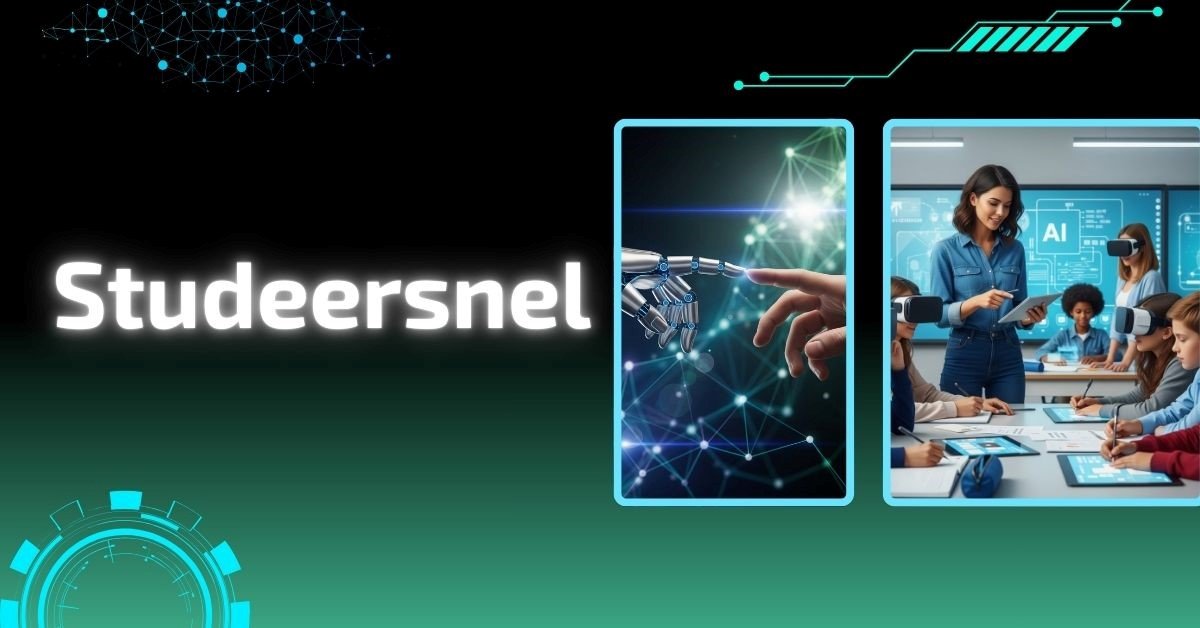
Learning today feels different than it did a decade ago. Information moves faster, attention feels shorter, and students are under constant pressure to perform. That is where studeersnel comes into the picture. It is not about rushing through material, but about learning with intention, structure, and clarity. When used thoughtfully, studeersnel can help students study more effectively while protecting their energy, focus, and confidence in the process.
Understanding Studeersnel as a Learning Approach
Studeersnel is best understood as a mindset rather than a rigid system. It focuses on efficiency without sacrificing comprehension. Instead of studying longer hours, learners aim to study better by choosing methods that match how the brain actually absorbs and recalls information. This shift matters because time and mental energy are limited resources.
Many students struggle not because they lack motivation, but because they use strategies that no longer serve them. Reading the same notes repeatedly or highlighting entire pages often feels productive but leads to weak retention. Studeersnel encourages intentional techniques that make each study session count, even when time is tight.
What makes this approach appealing is its flexibility. It adapts to different subjects, academic levels, and personal learning styles. Whether someone is preparing for exams, managing coursework, or balancing studies with work, studeersnel emphasizes progress through clarity rather than pressure.
Read More: EHJConline: A Complete Guide for Students and Professionals
Why Traditional Studying Often Fails Students
Traditional study habits are usually inherited rather than chosen. Students copy what they see others do, assuming effort equals effectiveness. Long study sessions, late nights, and constant rereading can create exhaustion without real understanding. Over time, this leads to burnout and frustration, not mastery.
The core problem lies in passive learning. When the brain is not challenged to retrieve, connect, or apply information, knowledge fades quickly. Many learners mistake familiarity for understanding, only realizing the gap during exams. This disconnect damages confidence and increases anxiety around academic performance.
Studeersnel pushes back against this cycle by promoting active engagement. It values quality over quantity and helps students recognize when a method feels comfortable but ineffective. Once learners see why old habits fail, they become more open to strategies that actually support long term learning.
How Focus and Structure Shape Better Results
Focus is not just about avoiding distractions. It is about knowing what deserves attention at any given moment. Without structure, study sessions often drift, leaving students tired but unsure of what they achieved. Clear goals give the brain direction and reduce decision fatigue.
A structured approach also creates mental safety. When learners know what to study and how long they will study it, resistance decreases. The brain relaxes because the task feels defined rather than overwhelming. This sense of control is a quiet but powerful motivator.
Studeersnel emphasizes intentional planning. Short, focused sessions with clear outcomes often outperform long, unfocused ones. Over time, this rhythm builds trust in the process. Students begin to see consistent progress, which reinforces motivation and reduces the urge to procrastinate.
Memory, Retention, and Smarter Study Techniques
Memory works best when information is revisited strategically, not repeatedly in one sitting. Techniques like spaced repetition and active recall align with how the brain strengthens neural connections. These methods may feel harder at first, but they produce deeper understanding and longer retention.
Many learners avoid challenging techniques because they feel uncomfortable. Struggling to recall information can feel like failure, even though it is a sign of learning in progress. Studeersnel reframes difficulty as a useful signal rather than something to avoid.
By engaging memory intentionally, students reduce last minute cramming. Knowledge becomes more stable and accessible under pressure. This matters not only for exams but also for building skills that carry forward into future courses and real world applications.
Managing Time Without Burning Out
Time management is often treated as a scheduling problem, but it is really an energy problem. Studying when exhausted leads to diminishing returns. Students who adopt studeersnel learn to respect their cognitive limits and plan around them instead of fighting them.
Shorter sessions with breaks allow the brain to reset. This prevents mental overload and keeps motivation intact. Over time, students notice they can accomplish more in less time because their focus remains sharper throughout each session.
Burnout often comes from feeling trapped in endless study cycles. A smarter approach introduces balance. When learners trust their methods, they feel permission to rest without guilt. That balance supports consistency, which ultimately matters more than intensity.
The Role of Environment and Digital Tools
The environment shapes behavior more than most people realize. A cluttered or noisy space drains attention, even when students believe they are multitasking successfully. Creating a consistent study environment helps the brain enter focus mode more quickly.
Digital tools can either support or sabotage learning. Notifications, open tabs, and constant switching fragment attention. Studeersnel encourages intentional tool use, where technology serves the learning goal instead of competing with it.
When tools are chosen carefully, they enhance efficiency. Digital planners, flashcard apps, and distraction blockers can support structure and recall. The key is simplicity. Too many tools create friction, while the right few reinforce consistency and clarity.
Building Confidence Through Consistent Progress
Confidence in learning does not come from intelligence alone. It grows through repeated experiences of success, even small ones. When students see steady improvement, their self trust strengthens. This changes how they approach challenges and setbacks.
Studeersnel supports confidence by making progress visible. Clear goals, measurable outcomes, and regular reflection help learners recognize how far they have come. This perspective reduces comparison with others and keeps attention on personal growth.
As confidence grows, anxiety decreases. Students feel more capable of handling difficult material because they trust their process. This emotional shift is just as important as academic improvement, especially in high pressure educational environments.
Conclusion: Why Studeersnel Fits Modern Learning Needs
Education today demands adaptability, focus, and resilience. Studeersnel aligns with these demands by offering a practical way to study smarter without sacrificing well being. It replaces outdated habits with strategies grounded in how learning actually works.
By emphasizing structure, active engagement, and sustainable effort, this approach helps students regain control over their studies. Progress becomes predictable rather than stressful. Learning feels purposeful instead of overwhelming.
Ultimately, studeersnel matters because it respects both the mind and the time of the learner. It reminds students that effective studying is not about doing more, but about doing what truly works.
Read More: Dfcbktr: Understanding Its Role and Real-World Impact

Soccerway has quietly become one of those tools football fans stumble upon and then never stop using. Whether you follow one local league or track matches across continents, it offers a calm, organized way to stay connected with the game. Instead of chasing updates across multiple sites, everything sits in one place. That simplicity matters when football never really sleeps and matches are always kicking off somewhere.
Understanding the Platform’s Core Purpose
At its heart, the platform exists to make football information easy to access and easy to trust. Fans want clarity, not noise, and this system focuses on presenting facts without distractions. Scores, fixtures, and results are arranged cleanly so users can absorb information fast, even during busy matchdays.
What makes the experience feel reliable is the consistency. Match data follows the same structure across leagues, which reduces confusion. Once you learn how to read one competition page, you can navigate any other without effort. That familiarity saves time and keeps attention on the game itself.
For casual viewers, this means less stress when checking results. For serious followers, it creates confidence that nothing important is being missed. The platform bridges both worlds by staying simple while remaining thorough.
Read More: Best Training Routines for Explosive Sports Legs
Live Scores and Match Tracking Experience
Live match tracking is where the platform truly earns loyalty. Updates arrive quickly, often within moments of on-field action. Goals, cards, substitutions, and final whistles appear in a logical timeline that mirrors how fans actually watch matches unfold.
The layout avoids clutter, which helps during tense moments. When multiple games run at once, users can scan scores without feeling overwhelmed. That calm presentation matters more than flashy graphics when emotions already run high during close matches.
For fans following teams across time zones, live tracking becomes a daily habit. It allows people to stay connected even when watching live broadcasts is not possible. The experience feels practical rather than showy, which builds long-term trust.
Depth of Statistics and Match Details
Beyond scores, the real value shows up in the depth of available statistics. Match pages include possession data, shots, fouls, and other indicators that explain how a game actually played out. These details help fans understand performance beyond the final scoreline.
Statistics also support better conversations. Instead of arguing opinions, fans can reference concrete numbers to explain why a team dominated or struggled. That shift from emotion to evidence improves how people discuss football online and offline.
Over time, regular exposure to match data sharpens understanding of the sport. Patterns become visible, tactics feel clearer, and fans start seeing games through a more informed lens rather than pure instinct.
League Coverage Across the Football World
One of the strongest features is the breadth of league coverage. Major European competitions sit alongside lesser-known regional leagues, all treated with the same structure and respect. This global approach reflects how football fandom works today.
Fans are no longer limited to one country or league. A supporter might follow a hometown club, a favorite foreign team, and a rising talent overseas. Having all of that information under one roof simplifies that modern viewing habit.
This wide coverage also supports discovery. Many users first encounter new leagues or teams simply by browsing fixtures. That exposure deepens appreciation for football as a truly global sport.
Why Soccerway Appeals to Different Types of Fans
Soccerway manages to feel useful without demanding commitment. Casual fans appreciate quick score checks, while analysts enjoy deeper dives into match data. The platform does not push one style of use, which keeps it flexible.
For bettors and fantasy players, historical data becomes especially valuable. Past results, head-to-head records, and seasonal trends help users make more informed decisions without needing advanced tools.
Even journalists and content creators rely on the platform for quick verification. When accuracy matters, having a dependable reference saves time and reduces errors in reporting or analysis.
User Interface and Ease of Navigation
The interface favors clarity over decoration. Pages load quickly, menus remain predictable, and navigation feels intuitive even for first-time users. That design choice respects the user’s time and attention.
Search functionality adds to the smooth experience. Finding a team, league, or match takes seconds, which is crucial when breaking news or live action unfolds. Nothing feels buried or hidden behind unnecessary steps.
This simplicity also works well across devices. Whether accessed on a phone or desktop, the structure remains familiar. That consistency encourages regular use without a learning curve.
Accuracy, Trust, and Long-Term Reliability
Trust builds slowly, and accuracy plays the biggest role in that process. Over time, users notice that match details align closely with official sources. Errors feel rare, which reinforces confidence in the information provided.
Consistency across seasons strengthens credibility further. Historical data remains accessible and organized, allowing users to compare teams or track long-term performance without gaps or confusion.
When fans rely on a platform daily, reliability becomes non-negotiable. The steady performance here explains why so many users return year after year without feeling the need to look elsewhere.
Conclusion: Why Soccerway Remains a Go-To Resource
Soccerway succeeds because it understands what football fans actually need. It does not try to entertain with gimmicks or overwhelm with excess features. Instead, it delivers clear information in a calm, structured way that respects the rhythm of the sport.
From live scores to deep statistics, the platform supports both quick check-ins and thoughtful analysis. That balance keeps it relevant for a wide audience with different levels of interest.
In a football world full of noise, Soccerway remains quietly dependable. That reliability is why it continues to earn trust, clicks, and daily visits from fans around the globe.
Read More: Moneylineem: A Complete Guide to Smarter Betting Decisions
-
 Fitness4 months ago
Why New Balance Running Shoes Are the Perfect Fit for Your Feet
-
 Sports Products4 months ago
Asics Novablast 5 Review: Best Running Shoes 2025
-
 Sports Products4 months ago
Top 10 Running Shoes of 2025: Comfort, Speed, and Style Combined
-
 Health4 months ago
Post Run Recovery Secrets: How to Heal Faster and Run Stronger
-
 Sports Products4 months ago
Brooks Running Shoes Reviewed: Comfort, Support, and Speed
-
 Sports Products4 months ago
Top 10 Best Shoes for Hyrox to Boost Your Race Performance
-
 Sports Products4 months ago
Why the Nike Hyperko 2 Is the Top Pick for Serious Fighters
-
 Sport4 months ago
10K to Miles: Complete Guide to Running Distance Conversion