
Sport
Running With Dog Lead: The Ultimate Guide for Safe & Joyful Runs

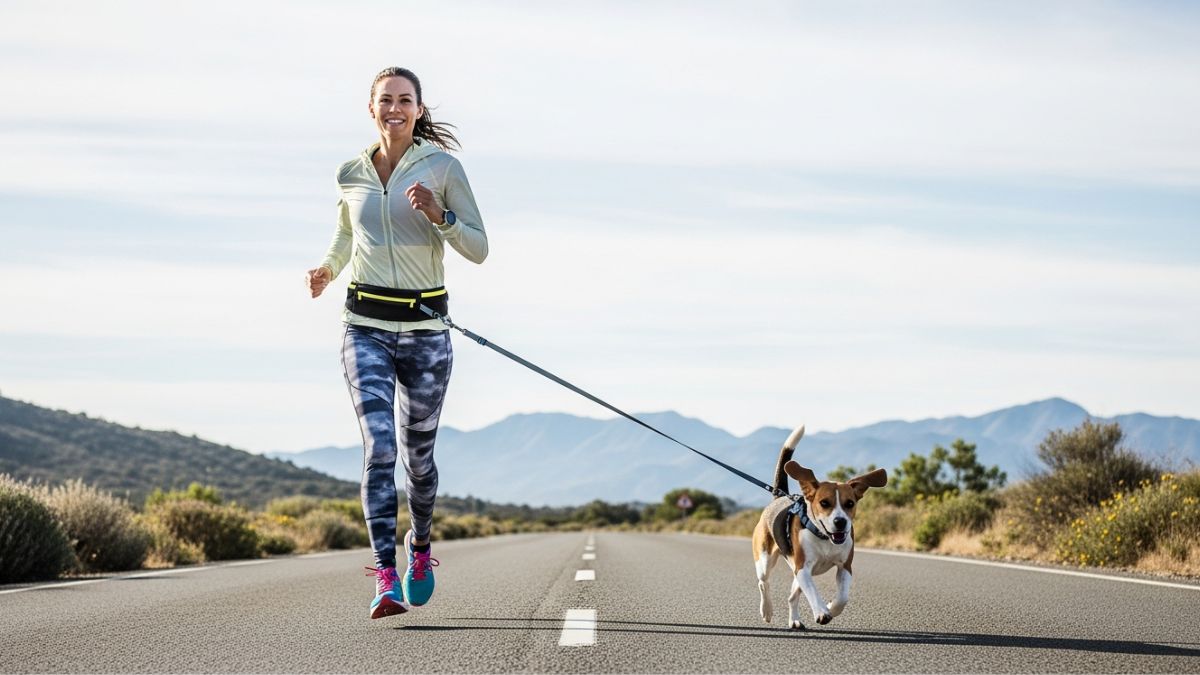
Running with your dog can turn an ordinary workout into an enjoyable bonding ritual, offering health benefits, mental stimulation, and a deeper connection between you and your furry companion. Whether you’re an experienced runner or someone just beginning to explore running with dog lead, understanding how to make the experience smooth, safe, and enjoyable is essential.
This comprehensive guide walks you through equipment choices, training methods, safety tips, pace considerations, and practical strategies to ensure each run feels natural and rewarding for both of you. Throughout this article, semantic keywords such as canicross harness, dog jogging routine, and hands-free running belt will be used naturally to enhance your reading and understanding without overuse.
Introduction
Running with your dog lead in hand or attached to a hands-free belt can transform typical exercise into a shared adventure. It strengthens your bond, builds trust, and injects extra joy and motivation into your fitness routine. For dogs, running provides mental stimulation, physical conditioning, and an outlet for their natural energy. Yet, running with your dog isn’t as simple as clipping on a leash and hitting the pavement.
It requires thoughtful preparation, proper gear, clear communication, and awareness of both your dog’s behavior and physical capabilities. This in-depth guide will help you make the most of each run while ensuring safety, comfort, and enjoyment for both of you.
Choosing the Right Dog Lead for Running
Selecting the appropriate lead is the foundation of a smooth running experience. A standard dog leash is often inadequate because it may be too short, too rigid, or uncomfortable to hold during a long jog. When running with dog lead, look for a lightweight, shock-absorbing leash that provides flexibility and reduces pulling impact. Bungee-style leads are particularly helpful because they absorb sudden movements, preventing strain on both you and your pet. If you prefer freedom of movement and better control, consider a hands-free running belt that clips around your waist, distributing pull evenly and allowing you to run naturally without gripping a handle. A high-quality lead helps maintain consistency and keeps both runner and dog comfortable.
Understanding Your Dog’s Running Ability
Not all dogs are natural runners, and recognizing your dog’s physical limits is key to planning safe outings. Puppies, very small breeds, seniors, and dogs with flat faces like pugs may struggle with long or intense runs. Meanwhile, athletic breeds like Border Collies, Huskies, Vizslas, and German Shepherds often thrive in high-energy activities. Pay attention to your dog’s gait, breathing, and enthusiasm levels. Start gradually if your dog is new to running, increasing distance and pace over several weeks. The goal is to build a healthy dog jogging routine that accounts for breed differences, past exercise habits, age, and current health conditions.
Training Your Dog for Running
Before hitting the trail together, your dog should understand basic commands like “heel,” “stop,” and “leave it.” Good leash manners prevent accidents and make running feel smooth rather than chaotic. Start with brisk walks, gradually incorporating short intervals of jogging until your dog becomes comfortable with the rhythm. Practice running in quiet areas first, then slowly introduce distractions such as other runners, bicycles, and dogs. Consistent training builds trust and teaches your dog to stay on one side, avoid pulling, and maintain a steady pace. The more reliable the communication between you, the more enjoyable the run becomes.
Benefits of Running With Your Dog
Running with your dog lead offers physical and emotional rewards for both parties. You’ll burn calories, strengthen your heart, and boost endorphins, while your dog receives vital exercise to maintain a healthy weight and reduce anxiety. Running can minimize destructive behavior caused by pent-up energy and give your pup a positive outlet for movement. Beyond physical benefits, shared runs deepen the human-animal bond, creating a sense of companionship and teamwork. For people who struggle with motivation, a four-legged running partner can offer consistent encouragement to stay active.
Choosing the Right Gear for Comfort and Safety
Your running gear matters just as much as your dog’s equipment. A comfortable pair of shoes with proper support will protect your joints, while moisture-wicking clothing helps you stay cool during long workouts. For your dog, consider using a canicross harness, which distributes pressure across the chest rather than neck ideal for active dogs and long-distance runs. Reflective gear and LED collars increase visibility during early-morning or evening jogs. If using a hands-free belt, ensure that it fits snugly and has quick-release clips for emergencies. The right combination of gear enhances safety, performance, and comfort for both participants.
Establishing a Running Routine
Building a consistent schedule helps you and your pet adjust physically and mentally. Dogs thrive on routine, so try to run at the same times each week. Begin with short runs, gradually increasing duration and pace to avoid injury. Pay attention to weather and terrain when planning your routine; dogs can easily overheat and may struggle on harsh ground like hot pavement or rocky trails. Hydration should be part of your regular planning too—bring water for both you and your dog, especially in warm conditions. A structured routine builds endurance and makes running a natural part of daily life.
Understanding Dog Body Language While Running
Your dog communicates through subtle cues. While running, watch for signs of discomfort such as excessive panting, slowing down, limping, or looking back repeatedly. Tail position, ear movement, and posture also reveal how your dog feels. A relaxed, consistent gait indicates comfort, while a stiff or labored stride signals fatigue or discomfort. Paying attention to these signs ensures that running remains safe. If your dog seems tired or stressed, slow down or take a break. Respecting your dog’s limits builds trust and prevents injuries.
Maintaining Control Without Restricting Movement
When running with dog lead, striking a balance between control and freedom is essential. You want your dog close enough to avoid hazards but not so restricted that it affects their natural stride. Keeping your dog on one side helps maintain consistency and reduces tripping risks. If you’re using a hands-free belt, maintain awareness of your dog’s position so the lead doesn’t tangle around your legs. Avoid tight pulling; instead, encourage your dog to run alongside you at a comfortable distance. Positive reinforcement helps reinforce cooperative running behavior.
Running in Different Environments
Running on sidewalks, trails, parks, or beaches each presents unique challenges. Urban environments may require more control due to traffic, pedestrians, and distractions. Trails offer natural terrain but may include obstacles like roots, rocks, and wildlife. Beaches can be wonderful for dogs but require caution due to heat and soft sand, which increases strain on joints. Always assess the environment before starting your run. Choose the safest route and adapt your pace and control based on surroundings. Avoid running in unfamiliar areas at night unless you’re equipped with proper lighting and reflective gear.
Managing Weather and Seasonal Challenges
Weather greatly impacts your dog’s comfort and safety. Dogs can overheat quickly, especially in hot, humid climates. Avoid midday heat and focus on early-morning or late-evening runs in summer. In winter, cold temperatures and icy conditions may cause paw irritation or slipping. Paw balms, dog booties, and protective coats can help in colder seasons. Always monitor your dog’s breathing and energy level, and adjust your run according to weather conditions. Hydration becomes especially critical during warm months offer frequent water breaks to prevent overheating.
Preventing Injuries for You and Your Dog
Injuries can happen to both runner and dog if proper precautions aren’t taken. Avoid starting with long distances if either of you is inexperienced. Gradually build endurance and strength. Warm up with a brisk walk or gentle jog to get muscles ready. Keep nails trimmed and check paws after each run to ensure there are no cuts or lodged debris. For your own safety, maintain good running form and avoid sudden movements that may cause strain if your dog pulls unexpectedly. Regular vet check-ups help ensure your dog remains physically prepared for consistent exercise.
Hydration and Nutrition During Runs
Just like humans, dogs need proper hydration to support their activity level. Carry a portable dog water bottle or collapsible bowl during longer runs. Offer water during breaks but avoid overhydration. High-energy dogs may benefit from balanced nutrition to maintain stamina. Consult your vet about the best diet for a dog with an active running lifestyle. After a run, allow your dog time to cool down before feeding to prevent digestive issues. Balanced hydration and nutrition help maintain a healthy, consistent dog jogging routine.
Teaching Your Dog to Run at a Steady Pace
One of the greatest challenges when running with dog lead is helping your dog maintain a consistent pace. Dogs often start fast due to excitement, then tire quickly. Use voice commands and body language to guide pace. Running at a steady speed prevents fatigue and minimizes pulling. If your dog pulls ahead frequently, pause until they return to your side, then resume running. Patience and consistency teach your dog to match your rhythm and create a smoother, safer running experience.
Socializing Your Dog While Running
Encountering other runners, cyclists, and dogs is inevitable. Ensuring your dog remains calm and respectful during these interactions is crucial. Socialize your dog gradually by introducing them to various environments and distractions. Reward calm behavior and discourage lunging or barking. If your dog is reactive, choose quieter routes until their confidence and manners improve. Running can serve as a valuable tool for socialization by exposing your dog to new experiences in a controlled, structured way.
When to Avoid Running With Your Dog
Certain conditions make running unsafe for dogs. Avoid running with puppies under one year (or before vet clearance), as their joints are still developing. Dogs with heart conditions, respiratory issues, joint problems, or obesity may need modified or supervised exercise. Hot pavement can burn paw pads, and extreme cold may cause frostbite. Always skip runs during illness, injury, or excessive fatigue. Prioritizing your dog’s safety ensures that running remains a positive and beneficial activity.
Keeping Motivation High for Both You and Your Dog
Motivation can fluctuate, but dogs often provide a natural boost with their enthusiasm. To stay consistent, mix up your routines, explore new routes, and incorporate play or short sprints to keep things exciting. Celebrate progress and set realistic goals. The joy on your dog’s face can be a powerful motivator, but don’t rely solely on their energy your consistency matters too. Make running something you both look forward to, not a chore.
Cooling Down After the Run
A proper cooldown is essential to prevent stiffness and promote recovery. Slow your pace gradually into a walk, allowing heart rates to come down safely. Give your dog time to sniff around and relax. Stretch your legs while your dog enjoys a few minutes of calm. Check paws, offer water, and ensure your dog isn’t overheated before heading home. A good cooldown prevents injuries and helps you and your dog feel refreshed after each run.
Conclusion
Running with dog lead is more than a fitness choice it’s a powerful way to bond, explore, and stay healthy together. With the right equipment, training, and awareness, you can build a safe and sustainable routine that benefits both mind and body. Whether you use a canicross harness, a hands-free running belt, or a simple leash, the key is cooperation, communication, and consistency.
By listening to your dog, respecting their limits, and embracing the joy of shared movement, you transform each run into a rewarding partnership. Lace up your shoes, clip on the lead, and let every stride strengthen the connection between you and your faithful running companion.
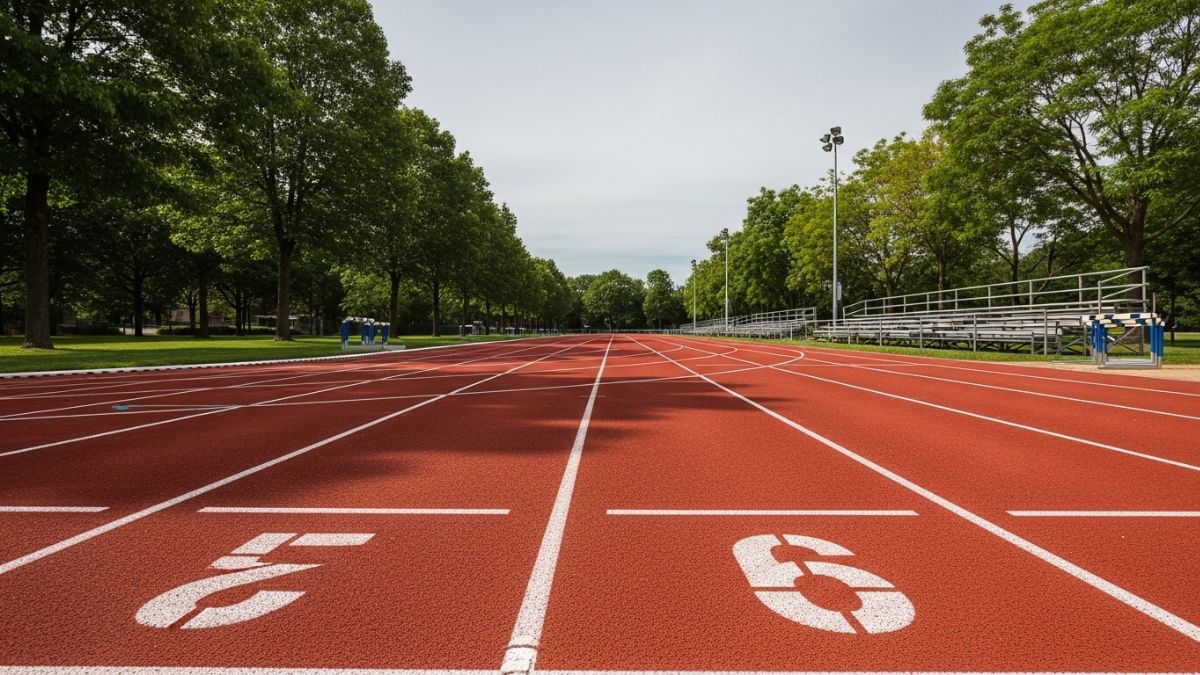
A mile equals roughly four laps on a standard 400-meter track, but the true mile is just a bit more 4 laps and about 9 extra meters. Most people round it to four laps, but that tiny difference can matter if you’re tracking distance or training for accuracy.
If you’ve ever wondered why your watch shows 0.99 miles after four laps, you’re not alone. Many runners get puzzled when their “mile” feels a little short. Tracks are designed in meters, not miles, so the numbers don’t match perfectly. That’s where most confusion starts.
In this guide, you’ll get a clear, no-nonsense explanation of how many laps make up a mile, whether you’re running on a school track, gym loop, or indoor course. We’ll cover exact conversions, tips for accurate pacing, and small adjustments that help you hit the real mile mark without second-guessing your distance.
Understanding Track Measurements
What’s the Standard Track Size?
A standard outdoor track measures 400 meters per lap, which equals about a quarter of a mile. That means you need roughly four laps to cover one full mile. Most tracks used in schools, colleges, and athletic meets follow this 400-meter standard, approved by World Athletics.
The 400-meter layout includes two straight sections and two curves, forming an oval. It’s designed for fairness and consistency in races worldwide. The inside lane, known as Lane 1, measures exactly 400 meters, but each outer lane adds a few extra meters because of its wider curve. So, if you’re running in Lane 4 or 5, you’ll cover slightly more than 400 meters per lap unless you adjust your start position.
How Many Laps Make a Mile on Different Tracks?
On a standard 400-meter track, it takes about 4.01 laps to complete one mile. On smaller tracks, the number increases because each lap covers less ground. The math is simple divide 1609.34 (the number of meters in a mile) by the track’s lap length.
Here’s a breakdown of laps by track size:
- 400m track:34 ÷ 400 = 4.01 laps
- 300m track:34 ÷ 300 = 5.36 laps
- 200m track:34 ÷ 200 = 8.05 laps
- 160m track:34 ÷ 160 = 10.06 laps
So, if you’re running indoors or in a gym, expect to complete more laps than you would outside. The smaller the loop, the more turns you’ll take, which slightly affects pacing and rhythm. A helpful way to picture this is like cutting a pizza into different slice sizes smaller slices mean you’ll need more pieces to finish the whole pie. The same goes for laps and total distance.
Why Some Tracks Differ in Length
Track length varies depending on location, purpose, and design standards. Outdoor competition tracks are almost always 400 meters, while indoor tracks can range from 160 to 300 meters. The smaller indoor size fits within building space limits and often includes tighter curves. Schools and community facilities may also have non-standard tracks some as short as 300 meters built for casual training rather than official races.
Meanwhile, Olympic and professional venues strictly follow the 400-meter rule to ensure race fairness and record consistency. Regional differences can also play a role. In some countries, older tracks built before metric standardization might still measure in yards, not meters.
For example: A 440-yard track equals about 402 meters, which slightly changes your lap count per mile.
Quick Answer: How Many Laps Is a Mile?
The Exact Lap Count on a Standard Track
On a standard 400-meter track, four laps equal 1,600 meters that’s about nine meters short of a true mile. The official mile distance is 1,609.34 meters, so when you stop after your fourth lap, you’ve technically run just under one mile. That shortfall may seem tiny, but for serious runners, it matters. Those nine meters can make a difference in timed runs, training logs, or race simulations.
When someone says they “ran a mile” on a 400-meter track, they usually mean they ran 1,600 meters close enough for most purposes, but not exact. Think of it like missing a single spoonful from a full cup of water. You’re practically there, but not all the way. Many track coaches and running apps use “four laps” as a shorthand for a mile, even though it’s technically 0.994 miles.
True Mile Conversion in Laps
To complete a full mile on a 400-meter track, you need four laps plus an extra 9.34 meters. That’s roughly an additional 30 feet about the length of a school bus. It’s a small add-on, but it makes your total distance match the real mile mark. If you’re training for a timed mile, most coaches recommend marking that extra 9 meters near the finish line.
Many tracks even have a small line or cone labeled “mile finish,” placed just beyond the start line to show where the true distance ends. It’s subtle but helps maintain accuracy in timed runs. You can also use a running watch or GPS app to confirm your total distance.
Most modern devices automatically recognize 1,609 meters as a mile and notify you once you hit it, even if you stop a few meters past the finish line. Here’s a simple way to picture it if four laps get you 99% of the way, that extra 9 meters is your “victory stretch.” It’s what turns your 1,600 meters into a certified mile.
| Track Length |
Laps for a Mile |
| 400m |
4.01 laps |
|
300m |
5.36 laps |
|
200m |
8.05 laps |
| 160m |
10.06 laps |
- Mention reference: USATF Track and Field Measurement Standards for race accuracy.
Why the Difference Matters
For Runners Tracking Progress
Knowing how many laps make up a mile is more than just a technical detail—it’s a cornerstone of accurate progress tracking. When runners miscalculate laps, they risk overestimating or underestimating their distance, which directly skews performance logs.
For example: Assuming that four laps equal a mile on a non-standard track can lead to inconsistencies in pace records and training volume. Over time, these inaccuracies can affect everything from your perceived improvement to your race readiness. By understanding the exact lap-to-mile conversion of your track, you can ensure your data reflects your true effort and progress.
For Training and Pacing
In structured training, precision is power. Whether you’re running intervals, tempo runs, or long-distance sessions, knowing exactly how far you’re running per lap helps maintain the correct pace and intensity. If you’re supposed to run 800-meter repeats but misjudge the number of laps, you might end up training at the wrong effort level. This can lead to either overtraining or undertraining, both of which can stall performance gains. By aligning your lap count with actual mileage, you fine-tune your pacing strategy and make every workout count.
For Race Preparation
Understanding how laps translate into miles is crucial for anyone preparing for a race, especially on a track or looped course. When you know the precise distance covered in each lap, you can plan your splits more efficiently and maintain steady pacing throughout the race. For instance, marathoners or 5K runners practicing on a track can simulate race conditions more accurately by knowing exactly when to push and when to conserve energy. This knowledge transforms race day strategy from guesswork into a well-practiced plan, giving you a competitive edge and confidence in your pacing.
Lap Conversions for Different Track Types
Outdoor High School or College Track (400m)
Most outdoor tracks used in schools and colleges measure 400 meters per lap, which equals about 0.25 miles. Therefore, completing four laps covers roughly 1600 meters, or approximately 0.994 miles—just short of a full mile. This minor difference may seem negligible, but for competitive runners and coaches, it can impact training accuracy and pacing strategy. If you want to complete a true mile on such a track, you’ll need to add about 9 extra meters—roughly 10 more steps after finishing four full laps.
Indoor Track (200m)
Indoor tracks are usually half the size of standard outdoor tracks, measuring 200 meters per lap. Because of this, you’ll need to run eight laps to complete approximately one mile. Indoor facilities often feature tighter curves and shorter straightaways, which slightly alter running mechanics and speed compared to outdoor tracks. Understanding this conversion helps runners adapt their pacing and avoid confusion when transitioning between indoor and outdoor training environments.
Gym or Small Facility Track (160m)
Some fitness centers, gyms, or community facilities have even smaller tracks, typically around 160 meters per lap. In these cases, it takes about 10 laps to complete one mile. These tracks often wind tightly around gym equipment or upper levels, so runners should be mindful of the additional turns and possible crowding that can influence lap times. Keeping an accurate lap count ensures that your mileage and pace calculations remain consistent, even on smaller circuits.
Oversized Tracks or Irregular Shapes
Not all tracks adhere to standard measurements—some community parks, school fields, or recreational loops have oversized or irregularly shaped paths. In such cases, the only way to determine accurate lap conversions is by manual measurement. You can use a GPS watch, a running app, or a measuring wheel to calculate the exact length of one lap. Once you know that distance, simply divide 1609 meters (the length of a mile) by your track’s lap distance to find out how many laps equal one mile. This method ensures precision and consistency, no matter how unconventional the track layout may be.
Tools to Help You Measure a Mile
When you’re running laps, small inaccuracies in distance can throw off your pacing and performance. That’s why using reliable tools to measure your distance is so important. Whether you prefer high-tech devices or simple manual methods, several options can help ensure your mile is tracked correctly.
GPS Running Watches
GPS running watches are one of the most popular ways to measure running distance with accuracy. Devices from brands like Garmin, Polar, Coros, and Apple use satellite data to calculate your position in real time, giving you an exact reading of how far you’ve run. On the track, GPS watches help correct for slight variations in track length, lane changes, and even curve running areas where manual counting might fall short.
Modern models also adjust for GPS drift (minor signal errors caused by buildings or trees) and can sync with apps like Strava or TrainingPeaks to show your precise lap splits. If you’re running on a 400-meter track, your watch will typically record 0.99 to 1.00 miles after four full laps, depending on your lane and stride. This small margin makes GPS watches ideal for consistent pacing and accurate feedback during workouts.
Running Apps with Lap Tracking
If you don’t have a GPS watch, your smartphone can do a great job too. Apps like Strava, Nike Run Club, Garmin Connect, MapMyRun, and Adidas Running allow you to track laps, distance, pace, and heart rate data right from your pocket. These apps use your phone’s built-in GPS to measure each lap’s distance and time, giving you a digital log of every workout.
Most running apps also let you set “lap reminders” or “split alerts,” so you’ll know exactly when you’ve completed a quarter mile, half mile, or full mile. This is especially useful for pacing and for keeping your training structured. The data syncs automatically, letting you compare your mile splits over time to monitor progress or identify fatigue patterns.
For indoor tracks, where GPS may not work well, many apps allow you to manually enter your lap count ensuring that your total distance remains accurate even without location tracking.
Manual Lap Counters and Stopwatch Methods
Not every runner wants to rely on technology, and that’s perfectly fine. If you’re training on a local school track or gym loop, manual lap counters are a simple and effective solution. These small handheld devices let you click once per lap to keep track, so you never lose count even during long sessions.
Pairing a lap counter with a basic stopwatch helps you measure both distance and time. For instance, you can start your stopwatch at the first lap and stop it at the end of your fourth (or eighth, depending on the track) to get an accurate mile time.
You can also record lap splits manually using your phone’s timer or a notebook. This method may not be as high-tech, but it encourages mindfulness in your running you stay aware of your form, stride, and breathing, which can improve performance and focus.
How to Measure Your Track Manually
If you want complete confidence in your lap distance, the most reliable method is to measure the track yourself. While digital tools are convenient, manual measuring methods ensure total precision especially when training on a non-standard or local track that may not follow official dimensions. Here’s how to do it the right way.
Using a Measuring Wheel or Tape
A measuring wheel (also called a surveyor’s wheel) is one of the easiest and most accurate ways to measure your track. Here’s a simple step-by-step guide:
- Start at the official start line usually marked with a painted line or cone on your track.
- Set your wheel counter to zero before you begin walking.
- Walk along the inside edge of lane one, keeping the wheel as close as possible to the line without crossing it. This lane is used for official distance measurements.
- Walk one complete lap, keeping your pace slow and steady to avoid skipping or bouncing the wheel.
- Record the reading once you return to your starting point. The total should be close to 400 meters on a standard outdoor track.
If you’re using a measuring tape, the process is similar but requires more patience:
- Mark small sections (e.g., 50 meters at a time) and measure along the inner curve.
- Add each section’s length to find your total lap distance.
- Double-check your numbers to make sure you didn’t overlap or leave gaps.
Checking with Local Sports Authorities
Before assuming your track is standard, it’s smart to confirm its length with the people responsible for maintaining it. Many schools, colleges, and public parks have athletic departments or recreation offices that can provide official measurements.
You can contact:
- The school’s athletic director or track coach for exact lane distances.
- The local parks and recreation department if the track is public.
- A regional athletics federation for competitive venues.
These organizations often keep records on when the track was last measured and whether it meets IAAF (now World Athletics) or NFHS standards. This is important because some older tracks, especially community or indoor ones, may have been built before standard regulations were applied—leading to slight variations (like 390m or 410m per lap).
If you find discrepancies between your manual measurement and the official data, rely on the official record for consistency. Training plans, race preparation, and pacing strategies should always align with certified measurements when available.
Common Mistakes Runners Make
Even seasoned runners slip up when it comes to lap counting and track distance. A few small errors can throw off your pace, training logs, and even your race prep. Let’s fix the most common mistakes so every lap you run actually counts toward your goal.
Confusing Laps with Lanes
Running in outer lanes adds distance. The farther out you move from lane one, the longer each lap becomes. For example, lane one on a standard 400-meter track is exactly that 400 meters. But if you move to lane two, the lap increases to about 407 meters. Lane three? Roughly 415 meters.
Those extra meters add up fast, especially if you’re running several laps. If you train in lane three and assume it’s still 400 meters, you’ll run more than a mile without realizing it. That may sound harmless, but when you’re tracking speed or setting pacing goals, that added distance skews your results. If the inside lane is busy, just adjust your calculations. Many tracks display lane distance conversions on a nearby sign. If not, you can measure it manually using a measuring wheel or find a conversion chart online.
Miscounting Laps During Long Runs
It’s surprisingly easy to lose count when running multiple laps, especially when your mind drifts or fatigue kicks in. Running 12 laps but logging only 10 can throw off your training data and make your progress seem inconsistent.
Here are simple ways to avoid that problem:
- Lap counters: Small clickers you hold or wear on your finger. Each click equals one lap.
- Wristbands: Move one from one wrist to the other after every lap—simple and foolproof.
- Track watch apps: Many GPS watches or apps like Garmin Connect automatically log laps based on distance.
- Mental checkpoints: Associate each lap with a focus point (like breathing rhythm or pace) to stay mentally anchored.
Ignoring Track Curves and Angles
Curves affect how much ground you cover. When you take turns too wide or switch lanes mid-lap, you’re unknowingly adding distance. A track’s inside lane is measured 30 centimeters from the inner edge, which is where the official 400 meters come from. Every step outside that line increases total distance. Think of it like walking on a spiral staircase.
Staying tight to the center means fewer steps, while drifting outward adds more. That’s how track curvature works. If you’re running intervals or sprints, try to stick to the same lane each time for accurate timing. If you must pass someone, move back into your lane as soon as it’s safe. Consistency in lane choice keeps your lap and pace data accurate. For competitive runners, even a few extra steps per lap can shift pacing by several seconds small differences that matter when precision counts.
Fun Facts About Track Distances
Track running isn’t just about numbers and laps it’s packed with history, quirks, and stories that shaped modern athletics. From the strange conversion between miles and meters to the legendary 4-minute mile, these fun facts give running its character and charm.
Why the Mile Isn’t Exactly 1600m
A mile equals 1,609.34 meters, not 1600. That tiny 9.34-meter difference comes from how the imperial and metric systems developed separately. In older British measurements, a mile was defined as 1,760 yards. Since one yard equals 0.9144 meters, that adds up to 1,609.34 meters per mile.
When the metric system became standard for athletics, 400-meter tracks were easier to mark evenly. Four laps at 400 meters each equal 1,600 meters—a nice round number but just shy of a true mile. That’s why official mile races often start nine meters before the regular start line.
It’s a small gap, but in competitive running, even a few meters matter. Olympic and professional track events stick to metric distances (like 1500m or 5000m), while countries using the imperial system mainly the U.S. and U.K. still value the “mile” for tradition.
The 4-Minute Mile Story
Roger Bannister was the first to run a mile in under four minutes, breaking one of the most famous barriers in sports history. On May 6, 1954, in Oxford, England, Bannister clocked a time of 3 minutes and 59.4 seconds. Before that day, many believed it was physically impossible for the human body to achieve.
Bannister’s record wasn’t just about speed it was a psychological milestone. Once he broke it, other runners soon followed. Within a year, several athletes had done the same. What made Bannister’s run even more impressive was that he trained as a medical student, often fitting workouts between study sessions. His record proved that determination and smart pacing could conquer what once seemed impossible.
How Tracks Evolved Over Time
Tracks weren’t always the smooth, red ovals we see today. Early runners competed on grass, dirt, or “cinder” tracks surfaces made of crushed coal or brick. These tracks were rough, inconsistent, and messy, especially in the rain. By the 1960s, synthetic materials like polyurethane and latex started replacing cinder. The first major synthetic track appeared at the 1968 Mexico City Olympics, giving athletes a faster, more reliable surface.
Since then, nearly all modern tracks use rubberized compounds designed for grip, shock absorption, and weather resistance. These upgrades didn’t just make running easier—they helped break records. The combination of even surfaces and consistent traction lets runners maintain form and speed lap after lap. For fun, compare times from early 1900s races to modern ones, and you’ll see just how much technology shaped performance.What the reader will learn
Tips for New Runners
If you’re just starting out, learning how to pace yourself on the track makes all the difference. Running laps might sound easy, but consistency, patience, and smart planning turn it into real progress. These simple tips help beginners stay motivated while improving both stamina and accuracy.
Start Slow, Track Progress
The best way to build running strength is to start slow and stay steady. Many new runners burn out by pushing too hard early on. Instead, focus on completing each lap at a comfortable pace. You’ll go farther with less strain, and your endurance will grow naturally. Start with one or two miles per session around four to eight laps on a standard track. Track your runs using a watch, app, or simple notebook. Write down your lap times and total distance. Over a few weeks, you’ll see your numbers improve without forcing it. Think of it like stacking bricks—each run builds a stronger base for the next. It’s not about how fast you finish; it’s about finishing with energy left in the tank.
Build Endurance with Interval Laps
Intervals are the secret to better stamina and speed. Alternate between fast and slow laps to train your body to recover while still moving. For example, run one lap at 70% effort, then jog the next at 40%. Repeat for 20–30 minutes. This method keeps your heart rate active but allows short recovery breaks. It’s like teaching your body to breathe smarter under pressure. Over time, your lungs and legs will thank you.
You can tweak intervals to suit your fitness level:
- Beginners: 1 fast lap, 2 easy laps
- Intermediate: 1 fast lap, 1 easy lap
- Advanced: 2 fast laps, 1 easy lap
Interval training also makes track sessions more engaging you’ll feel less bored and more accomplished after each set.
Set Small, Measurable Goals
Progress feels real when it’s measurable. Instead of saying, “I want to run more,” set goals like “Run 6 laps without stopping” or “Complete 10 miles this month.” Small targets keep motivation high because you can actually see success stack up.
Break your goals into weekly and monthly checkpoints. For example:
- Week 1: Run 1 mile, three times a week.
- Week 2: Add one more lap each session.
- Week 4: Run a full 2 miles without breaks.
These micro goals build consistency the key to lasting improvement. You’re not racing anyone but yourself, and every lap adds up to long-term progress. You can even reward yourself after milestones a new pair of running socks or your favorite post-run snack. Little incentives keep the momentum going.
Data and Multimedia Suggestions
Adding visuals and data to your article makes it easier for readers to grasp numbers and distances at a glance. Track running is a visual sport seeing laps, curves, and conversions laid out clearly helps beginners understand how a mile actually breaks down across different track sizes. Here’s how to include the right mix of data and multimedia to strengthen the content.
Include Data
Data turns abstract track numbers into something tangible and easy to compare. Simple visuals like charts and tables make your article more helpful and credible. Here’s what you should include:
- Chart comparing laps per mile by track length:
Create a clean bar or line chart showing how many laps equal a mile on different tracks. For example:- 400m track = 4.01 laps per mile
- 300m track = 5.36 laps per mile
- 200m track = 8.05 laps per mile
- 160m track = 10.06 laps per mile
This chart helps readers quickly see how track length changes lap count and distance tracking.
- Table showing conversion between meters and miles:
Include a table with both imperial and metric conversions. Keep it short and easy to scan, like this:
| Distance | Meters |
Miles |
| 1 lap (400m) | 400 |
0.25 |
| 4 laps | 1600 |
0.994 |
|
4 laps + 9m |
1609 |
1.00 |
|
1 mile |
1609.34 |
1.00 |
- Adding a data note such as “1 mile = 1609.34 meters” gives readers a clear reference they can memorize for later.
Key Takeaways
- A standard outdoor track is 400 meters, meaning 4 laps = 1 mile (approx. 1600m).
- Indoor tracks are often shorter commonly 200m so it takes 8 laps to complete a mile.
- Outer lanes are longer; each lane adds extra meters per lap, so stay in lane 1 for accurate distance tracking.
- Always verify your track’s exact length through posted signs, measurement tools, or local sports authorities.
- Accurate lap counting prevents under- or overestimating your distance use trackers, apps, or physical counters.
- The mile and meter systems differ slightly, so remember: 1 mile = 1609.34 meters, not exactly 1600m.
- Consistency matters more than speed for new runners start slow, measure correctly, and build endurance gradually.
FAQs
How many laps are in a mile on a 400m track?
On a standard outdoor 400-meter track, one mile equals approximately 4.01 laps. Most runners round it to four laps, which comes to 1600 meters, slightly short of a true mile (1609.34 meters). For precision training, you can add an extra 9 meters roughly 10 extra strides after completing four laps.
How many laps equal a mile indoors?
Indoor tracks are usually 200 meters per lap, so it takes eight laps to complete one mile. Some indoor tracks, however, vary between 160m and 300m, so it’s essential to check posted signage or ask facility staff to ensure accurate distance tracking.
Why is a mile longer than 1600 meters?
The difference comes from imperial vs. metric measurements. The mile is based on the old British imperial system (1 mile = 5280 feet), while the metric system uses meters. When converted, a mile equals 1609.34 meters, which is why the 1600m race—common in high school competitions—is slightly shorter than a true mile.
How do I measure my own track distance?
You can measure a track using a measuring wheel or a long tape measure, starting from the inside lane’s marking. Walk the full inner edge once to determine its exact perimeter. Alternatively, check with local sports authorities or schools, which often have certified measurements for public or competition tracks.
Do lane changes affect total mileage?
Yes. Running in outer lanes increases your total distance. Each lane adds about 7–8 extra meters per lap, depending on track design. For the most accurate lap-to-mile calculation, always run in Lane 1 or use your GPS watch’s lap function to adjust for lane changes.

What’s an Ultra Marathon?
The Simple Definition of an Ultra Marathon
An ultra marathon is any running race longer than a traditional marathon distance of 26.2 miles (42.195 kilometers). The most common starting point for an ultra is 50 kilometers (31 miles), but some stretch far beyond 100 miles. Unlike standard marathons, ultras often test a runner’s endurance more than their speed. Think of it this way if a marathon is a sprint for endurance runners, an ultra marathon is the marathon of patience. The goal isn’t just to finish fast, but to stay strong through hours of steady running, hiking, and mental grit.
How It Differs from a Regular Marathon
The biggest difference between an ultra marathon and a regular marathon is distance and terrain. While marathons are usually road-based, ultras often take place on trails, mountains, or rugged landscapes. The pace is slower, but the effort is far greater. In a marathon, hydration stations appear every few miles. In an ultra, runners might carry their own supplies for hours between aid points. It’s not just about running it’s about managing your body like a machine over time.
For example: A 100K trail race might take anywhere between 10 to 20 hours depending on elevation and weather. That’s not something a road marathon runner typically faces.
Why Runners Choose Ultra Marathons
Runners choose ultra marathons because they want to push their endurance, find personal limits, and experience the mental side of long-distance running. It’s less about medals and more about testing how far a person can truly go. Many describe ultras as “life in slow motion.” You deal with exhaustion, problem-solving, and the quiet satisfaction of moving forward. Unlike marathons, where time goals dominate, ultras reward consistency and grit. Some runners turn to ultras for peace the quiet trails, the connection to nature, and the escape from crowded city races. Others chase a sense of achievement that few can claim. It’s not about speed. It’s about survival and self-discovery through miles.
How Long Are Ultra Marathons?
The Standard Ultra Marathon Distance
An ultra marathon officially starts at any distance longer than 26.2 miles (42.195 kilometers). The most common “entry-level” distance is the 50K, which equals about 31 miles. From there, races extend into 50 miles, 100K (62 miles), and even 100-mile distances. The reason the 50K is considered standard is because it offers a manageable jump beyond the marathon without demanding extreme endurance. For most runners, it’s the first step into the ultra world tough enough to challenge, short enough to finish in a day. Most organizers treat the 50K as the benchmark. Once you complete that, you’re officially an ultra runner.
The Common Race Categories (50K, 100K, etc.)
The most common ultra marathon categories are 50K, 50 miles, 100K, and 100 miles. These races can take place on trails, roads, or tracks, depending on the event’s setup. Each distance has its own appeal and level of challenge. A 50K ultra is often the stepping stone for marathoners. A 50-miler pushes endurance deeper. The 100K adds mental strain, and the 100-mile races are reserved for runners ready for a full day (and often night) of effort. Some events include 24-hour races, where runners aim to cover as much distance as possible in one day. Others stretch across multiple days, testing stamina over time instead of speed.
Shortest and Longest Ultra Races in the World
The shortest recognized ultra marathon distance is 50 kilometers (31 miles), and the longest can stretch into thousands of miles. The variation is huge from single-day trail races to transcontinental runs.
For example: The Comrades Marathon in South Africa covers about 56 miles and is one of the oldest and most famous ultra events. On the extreme end, there’s the Self-Transcendence 3100 Mile Race held in New York, where runners loop around a city block for weeks to reach 3100 miles. These races attract different kinds of athletes. Some crave the challenge of steep trails, while others want the mental grind of repetitive loops.
What’s the Average Time to Finish One?
The average time to finish an ultra marathon depends on the distance and terrain, but most runners complete a 50K in 6 to 8 hours. For 100K races, average finish times range between 12 and 16 hours, and 100-mile races often take 24 hours or more. Factors like elevation, weather, and experience play a big role. Trail races are slower due to uneven paths and climbs. Road ultras are faster because of smoother surfaces. But the rule stays simple the longer the distance, the slower the pace. Even elite runners rarely run nonstop. Most switch between running and power-hiking to conserve energy, especially in mountain ultras. For new runners, the best strategy is consistency, not speed.
Types of Ultra Marathons
Trail Ultra Marathons
Trail ultra marathons take place on natural terrain such as mountains, forests, and deserts, making them the most popular type of ultra race worldwide. These races are known for uneven paths, steep climbs, and unpredictable weather conditions. Trail ultras demand more than fitness they require balance, focus, and patience. Runners deal with rocks, mud, and steep descents. Pace becomes secondary to stamina and smart movement. Each course brings new challenges, making every race a unique experience. For beginners, trail ultras offer a peaceful environment but also test physical endurance in ways road running never does. Shoes with good grip and strong ankles are must-haves here.
Road Ultra Marathons
Road ultra marathons are races held on paved surfaces like highways or city streets, similar to traditional marathons but longer in distance. They offer smoother terrain and consistent pacing, making them ideal for runners focused on speed and endurance measurement. While trail ultras test nature’s elements, road ultras test mental focus. The flat, repetitive scenery can be mentally draining, but it allows for steady pacing and time tracking. Some of the world’s most famous road ultras, like Comrades Marathon in South Africa, attract thousands of runners every year. For newcomers, road ultras are a good entry point before taking on more technical trail challenges.
Track Ultra Marathons
Track ultra marathons are run on standard running tracks, usually 400 meters per lap, where athletes complete a set time or distance goal. These races are rare but serve as endurance tests of consistency and focus. They remove external challenges like terrain or weather changes, putting the spotlight solely on a runner’s pacing and mental strength. Events often include 6-hour, 12-hour, or 24-hour runs, where runners loop endlessly, chasing distance instead of a finish line. While some find it repetitive, others appreciate the predictability and structure. Track ultras also allow precise measurement of performance and pacing, ideal for athletes chasing records.
Multi-Day and Stage Races
Multi-day and stage ultra marathons stretch over several days, often covering hundreds of miles. Runners complete one stage per day, rest overnight, and continue the next day until all stages are finished. These events are designed like endurance tours, testing recovery as much as performance. The Marathon des Sables in Morocco, for example, covers about 156 miles across the Sahara Desert over six days. Participants face heat, sand, and fatigue yet they return for the challenge. Stage races often include camping setups, shared meals, and camaraderie among runners. It’s not just a test of endurance but of routine eat, run, rest, repeat.
What’s the Hardest Part About Ultra Marathons?
Physical Challenges Runners Face
The physical toll of ultra marathons is intense. Runners often deal with severe fatigue, muscle cramps, joint pain, and blisters that develop after hours on their feet. Even seasoned runners hit a point where their bodies start breaking down glycogen stores run low, and dehydration becomes a real risk. Many athletes describe the final stretch of an ultra as a battle between endurance and breakdown. The key is smart pacing, proper hydration, and steady nutrition throughout the race.
Mental Battles During the Race
The mental strain can be even harder than the physical one. After several hours of running, many athletes hit what’s known as the “dark patch.” This is when self-doubt creeps in, and finishing feels impossible. Runners fight through exhaustion, isolation, and negative thoughts. The best ultra runners aren’t just physically strong they’ve trained their minds to stay calm and focused. Visualization, mantras, and breaking the race into smaller goals help runners push past the mental wall.
How Terrain and Weather Affect Performance
Terrain and weather can make or break an ultra marathon. Trail ultras often include steep climbs, river crossings, mud, and rocky descents all of which slow runners down and sap energy. Road ultras might seem easier, but the constant pavement pounding causes repetitive stress on joints. Then there’s the weather: extreme heat leads to dehydration, while rain or snow can cause hypothermia. Ultra runners must adapt constantly, adjusting pace, clothing, and nutrition to survive unpredictable conditions.
How Do You Train for an Ultra Marathon?
Building Endurance Over Time
The most important part of ultra marathon training is patience. You can’t rush endurance it’s built slowly through consistent mileage. New runners usually start by increasing their long run distance each week, aiming to reach at least 70–80% of the race distance before race day. Back-to-back long runs are common, where you run long on Saturday and again on Sunday to simulate race fatigue. This trains both the body and mind to keep moving even when tired. Cross-training like cycling or swimming also helps improve stamina without overstraining the legs.
Importance of Nutrition and Hydration
Nutrition is often the deciding factor between finishing strong and hitting the dreaded wall. Ultra runners burn thousands of calories during training and even more on race day. The goal is to teach your body to use fuel efficiently mainly a mix of carbohydrates and fats. During training, practice eating the same foods or gels you plan to use during the race. Hydration also plays a big role; losing just 2% of your body weight in fluids can lead to cramps and dizziness. Many runners use electrolyte drinks to replace sodium and minerals lost through sweat.
Rest, Recovery, and Injury Prevention
Rest is where real progress happens. Training stresses your muscles, but recovery rebuilds them stronger. New runners often underestimate the power of rest days skipping them can lead to overtraining, fatigue, or injury. Sleep, stretching, and foam rolling are essentials in any ultra training plan. Many runners follow the “10% rule,” increasing weekly mileage by no more than 10% to stay safe. It’s also smart to rotate shoes and include mobility exercises to strengthen stabilizing muscles. Recovery is as important as the run itself without it, endurance can’t grow.
How to Choose Your First Ultra Marathon
Factors to Consider Before Signing Up
Choosing your first ultra marathon isn’t just about picking a random race online. The right event matches your fitness level, schedule, and comfort with distance. For beginners, a 50K (about 31 miles) is usually the smartest entry point. It’s long enough to test endurance without being overwhelming. Consider the race’s elevation, terrain, and weather. A flat 50K on a cool day is much kinder than a mountain ultra in summer heat. Also, check cutoff times some races allow generous limits, while others require faster pacing. Finally, factor in travel, support crew needs, and gear rules before registering.
Choosing Between Trail and Road Events
Trail ultras and road ultras might seem similar, but they feel like two different worlds. Trail races offer scenic routes, uneven terrain, and unpredictable conditions great for those who enjoy adventure. Road ultras, on the other hand, are faster, smoother, and require more consistent pacing. If you’re new, trails can be easier on the joints due to softer ground, though they demand more strength and balance. Road races are better for those who like rhythm and speed. The best way to choose is to ask yourself what motivates you more exploring nature or chasing time goals?
How to Know You’re Ready
You’re ready for your first ultra marathon when you can run a marathon comfortably and recover well within a week. That’s a solid sign your body and mind can handle longer distances. If you’ve been consistently training for at least six months and can manage back-to-back long runs without burnout, you’re in a good place. It’s not about being the fastest it’s about being steady, smart, and mentally prepared. You’ll need discipline, time for long runs, and the ability to problem-solve when things get tough. Confidence grows through training, not waiting for the “perfect” moment.
What to Expect on Race Day
The Start Line Experience
The start line of an ultra marathon feels electric nerves, excitement, and calm all mix together. You’ll see runners stretching, adjusting gear, and mentally locking in for hours ahead. Unlike shorter races, there’s less of a sprint start. Most runners begin slow and steady, knowing pace matters more than power. Expect a mix of silence and chatter veterans focus inward while first-timers double-check their watches. Keep your gear light, shoes tied right, and mindset calm. Your goal at the start isn’t to rush it’s to stay relaxed and conserve energy for the long stretch ahead.
Aid Stations and Checkpoints
Aid stations are the lifelines of any ultra marathon. They’re stocked with water, electrolytes, snacks, and sometimes warm food or soup. Most ultras place them every 5 to 10 miles, depending on terrain. Runners stop briefly to refill bottles, eat, and sometimes change socks or tape blisters. Volunteers are usually runners themselves they understand what you need before you say it. Aid stations also serve as checkpoints where your progress is tracked. If you’re behind the cutoff time, you may not be allowed to continue. So plan your pace carefully and refuel even when you’re not hungry.
Finishing Strong and Recovering Right
Crossing the finish line of an ultra marathon isn’t just a physical win it’s emotional. Most runners finish exhausted, proud, and sometimes in tears. The body’s drained, but the feeling of accomplishment outweighs the fatigue. After finishing, you’ll need to walk around a bit to avoid stiffness. Drink fluids, eat something salty, and change into dry clothes. Within hours, soreness will set in, so stretch lightly and get rest. Over the next few days, focus on recovery gentle walks, hydration, and high-protein meals help muscles heal. Many runners say recovery takes about a week for shorter ultras and up to a month for 100-milers.
Real-World Ultra Marathon Examples
Famous Ultra Events (Western States, UTMB, Comrades)
If you want to understand ultra marathons, look at the races that define them. The Western States 100, UTMB, and Comrades Marathon are the crown jewels of the ultra-running world. Each one tests endurance in its own brutal way. The Western States 100 in California covers 100 miles through mountains, canyons, and blistering heat. It’s the oldest 100-mile trail race in the U.S. and attracts runners from across the globe.
Then there’s UTMB (Ultra-Trail du Mont-Blanc), looping around the Alps through France, Italy, and Switzerland 106 miles of breathtaking terrain and harsh weather. It’s the Everest of trail running. Finally, the Comrades Marathon in South Africa is a road ultra at about 90 km (56 miles). It’s known for its emotional crowd support and alternating “up” and “down” routes each year.
Fastest Finishing Times Ever Recorded
Every ultra marathon has its legends. Jim Walmsley holds the Western States 100 record at 14 hours, 9 minutes, while Courtney Dauwalter set the women’s record at 15 hours, 29 minutes. These times are jaw-dropping when you consider the terrain and distance.
At UTMB, Kilian Jornet set a blazing standard by finishing in just under 20 hours, conquering the Alps faster than most people can drive them. And at Comrades, David Gatebe clocked 5 hours, 18 minutes for the “down” run, averaging under six minutes per mile. These athletes don’t just run fast they redefine what endurance means.
Average Runner Stats and Completion Rates
Not every ultra runner is an elite athlete far from it. The average 50K finisher completes the race in about 6–8 hours, while 100-milers often take 24–30 hours. Completion rates vary by race, usually around 60–80% depending on weather and terrain.
Most ultra runners train between 40–70 miles per week, with 60% being recreational athletes balancing jobs and families. Age-wise, finishers often range from their late 20s to mid-50s, proving endurance isn’t limited to youth.
The key difference between finishers and dropouts? Smart pacing and solid nutrition. It’s not about who’s the strongest it’s about who stays consistent.
Final Thought
Ultra marathons start where traditional marathons end anything beyond 26.2 miles counts. The most common distances are 50K, 100K, and 100 miles, with some races pushing far past that into multi-day challenges. Each distance demands endurance, patience, and mental strength more than raw speed. For new runners, a 50K is the best entry point. It’s long enough to test grit without breaking the body. Most finish within 6–8 hours.
As distances climb, time on feet becomes the real challenge. A 100-mile race can take a full day or more to complete. Terrain also changes everything. Trail ultras require climbing, hiking, and handling rough ground. Road ultras test pacing, consistency, and stamina. No two races feel the same, even if the distances match. Nutrition, hydration, and pacing matter more than anything else. Those who plan well finish strong.
Those who ignore these basics usually don’t. Simple habits eating every 30–45 minutes, sipping fluids often, and staying positive make the difference between finishing and dropping out. Ultra marathons aren’t about speed. They’re about steady progress, smart choices, and knowing when to push or rest. Anyone with discipline and time can train for one. The finish line is tough, but it’s within reach for those who respect the distance.
FAQs
How Long Is a 50K Ultra Marathon?
A 50K ultra marathon is 31.07 miles, just about 5 miles longer than a traditional marathon. It’s the shortest and most popular distance for beginners stepping into the ultra scene. Most runners finish a 50K in 6 to 8 hours, depending on terrain and weather. The 50K gives you a taste of ultra endurance without pushing your limits too far. It’s long enough to require strategy and fueling but short enough to recover from within a week. Many local races host 50Ks on trails, offering scenic views and a less intimidating vibe for first-timers.
Can Beginners Run an Ultra Marathon?
Yes, beginners can absolutely run an ultra marathon. With proper training and patience, anyone who’s completed a marathon can move up to a 50K within a few months. The key is consistency, not speed. Most first-timers underestimate the mental side of ultra running. It’s less about fitness and more about pacing, eating, and staying calm when fatigue hits. Start small, train smart, and respect the distance. You don’t need to be a pro just prepared and determined.
What’s the Longest Ultra Marathon Distance?
The longest official ultra marathon is the Self-Transcendence 3100 Mile Race held annually in New York. Runners must complete 3,100 miles in 52 days averaging nearly 60 miles a day. It’s considered the ultimate test of human endurance. Other extreme events include the Badwater 135 in California’s Death Valley, known for scorching heat, and the Spartathlon in Greece, a 153-mile race honoring ancient endurance feats. These events attract seasoned athletes who’ve spent years building physical and mental stamina.
Do You Sleep During Multi-Day Races?
Yes, runners sleep but very little. In multi-day races, athletes grab short naps ranging from 20 minutes to a few hours per night. Sleep strategy depends on race length and personal endurance. For events lasting several days, like the 200-mile Bigfoot or Moab races, managing rest becomes a key skill. Some runners plan short breaks every 12 hours, while others power through until exhaustion forces a stop. The ability to function on limited sleep separates veterans from rookies in multi-day ultras.
How Do You Eat During Ultra Marathons?
Runners eat often and strategically during ultras. Most consume 200–300 calories per hour through gels, fruit, nuts, or small sandwiches. The goal is steady energy, not big meals. Aid stations usually offer options like soup, potatoes, chips, and soda. For longer races, some runners carry real food rice balls, wraps, or peanut butter sandwiches. Hydration is just as important; water and electrolytes prevent cramps and fatigue. Eating may not sound appealing mid-race, but skipping fuel almost guarantees a crash later.
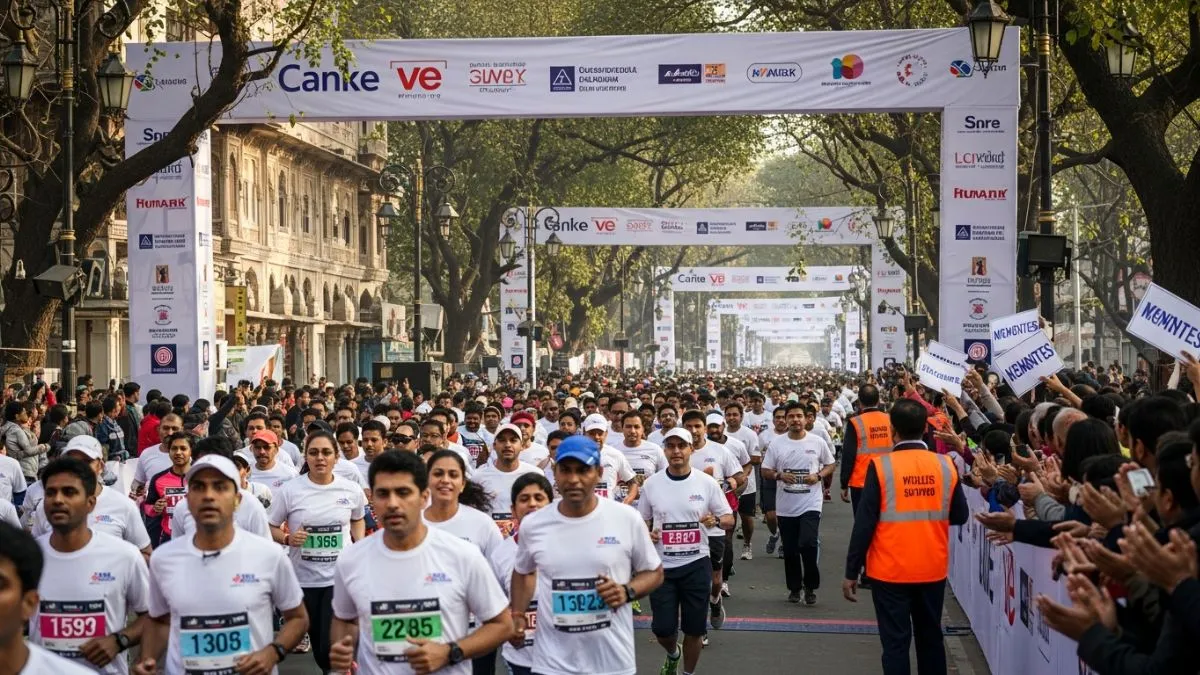
The marathon in Chandigarh has grown into one of the most exciting sporting events in Northern India, attracting thousands of runners, fitness lovers, and first-time participants every year. Known for its clean roads, organised city layout, and impressive greenery, Chandigarh provides the perfect environment for long-distance running.
Whether you are a seasoned marathon runner, someone preparing for your first big race, or simply a spectator cheering from the sidelines, the city’s marathons bring together passion, dedication, community spirit, and athletic excellence. This article explores everything you need to know its significance, training advice, race experiences, motivation, fitness benefits, preparation strategies, and what makes Chandigarh a truly unforgettable running destination.
Growing Popularity of Marathons in Chandigarh
The marathon in Chandigarh has seen remarkable growth over the past decade, transforming from niche fitness gatherings into citywide celebrations of health and determination. As India’s fitness culture expands, more people are adopting running as a sustainable lifestyle choice, and Chandigarh stands at the forefront of this movement. Participants from across the country and increasingly from abroad join these races, turning each event into a festive sports carnival.
The city also benefits from well-maintained infrastructure, smooth roads, and a running-friendly climate, making it a preferred marathon location. With strong participation across all age groups, from teenagers to senior citizens, Chandigarh’s marathon culture encourages inclusivity, athletic development, and community bonding.
Why Chandigarh Is the Ideal City for Marathon Running
Chandigarh is widely regarded as one of India’s best cities for long-distance running due to its clean air, abundant green spaces, and well-designed urban architecture. Unlike many major metropolitan cities where traffic and pollution can affect athletic performance, runners in Chandigarh enjoy peaceful surroundings, large parks, and scenic trails perfect for training and racing.
Key running destinations like Sukhna Lake, Leisure Valley, and the spacious Sector 17 promenade offer flat and consistent terrain suitable for beginners and experienced athletes alike. The city’s low vehicular congestion and organized planning also make marathon logistics easier, from route marking to medical assistance. Combined with enthusiastic local support, this environment contributes to a smooth and enjoyable race experience.
What to Expect in a Marathon in Chandigarh
A typical marathon in Chandigarh offers a mix of professional excellence and heart-warming human stories, bringing together diverse participants with different goals and motivations. Some runners aim for personal bests, while others run for charity, mental health awareness, adventure, or simply self-improvement. The event generally includes multiple race categories such as 42K full marathon, 21K half marathon, 10K timed run, 5K fun run, and special categories for beginners, students, and seniors.
The atmosphere is energetic, starting early in the morning with warming-up sessions, music, hydration stations, and volunteer teams cheering participants throughout the route. The sense of achievement at the finish line, whether for elite athletes or casual runners, becomes a memorable experience that resonates long after the race is over.
Training for a Chandigarh Marathon
Training for a marathon in Chandigarh requires commitment, structure, and a well-designed routine that builds endurance, strength, and mental focus. While experienced athletes may already follow established training schedules, first-time participants should begin gradually, increasing weekly mileage safely to avoid injuries. A balanced mix of long runs, interval training, strength sessions, stretching, and rest days helps the body adapt to increasing distances.
Chandigarh’s parks and running tracks offer ideal locations for structured practice, while groups and running clubs provide social motivation and expert guidance. Proper nutrition and hydration must accompany training to ensure energy consistency and muscle recovery. With disciplined preparation, even new runners can successfully complete a marathon and enjoy the emotional and physical rewards of crossing the finish line.
The Importance of Mental Preparation
While physical stamina is crucial, completing a marathon also requires strong mental resilience. Long-distance running tests focus, willpower, and determination, especially during the later stages of the race when fatigue sets in. Runners must train their minds to stay calm, motivated, and present during long runs. Visualization techniques, meditation, positive internal dialogue, and realistic goal-setting can significantly improve performance.
Many experienced athletes believe that mental strength plays as big a role as physical conditioning, especially when aiming for personal milestones. Chandigarh’s peaceful environment, ample open spaces, and serene parks can greatly support mental training, allowing runners to focus without distraction and build emotional strength before race day.
The Role of Community Support and Running Groups
One of the strengths of the marathon in Chandigarh is its vibrant running community, where individuals encourage each other, share progress, and stay motivated as a collective. Running groups exist across the city, meeting early mornings in parks and trails to train together. These groups welcome members of all fitness levels, creating a supportive atmosphere where beginners learn from seasoned runners.
Beyond physical development, these communities foster friendships, mentorship relationships, and shared experiences that make long-distance running enjoyable. Many runners credit their achievements to group accountability, shared training schedules, and emotional support. This community-centered approach ensures that Chandigarh’s marathon culture continues to thrive year after year.
Preparing for Race Day
Race day preparation often determines how smoothly and confidently a participant completes the marathon. The previous night should include light, nutritious meals, proper hydration, and adequate sleep. Runners should lay out their clothing, race bib, timing chip, energy gels, and shoes beforehand to avoid a rushed morning. On the day of the marathon, a light warm-up routine is crucial to activate the body, followed by steady pacing from the start rather than sprinting early.
Many participants make the mistake of starting too fast due to excitement, only to face exhaustion later. Chandigarh’s wide running lanes and organized traffic management allow runners to maintain a continuous rhythm without obstructions. Staying hydrated at designated points and listening to the body’s signals ensures a safer, more enjoyable race.
Enjoying the Scenic Routes of Chandigarh
One of the greatest pleasures of participating in a marathon in Chandigarh is experiencing the city’s beautiful landscapes and thoughtful design firsthand. Many race routes pass by notable landmarks such as Sukhna Lake, Rock Garden, Rose Garden, Capitol Complex, Leisure Valley, and the city’s clean, tree-lined boulevards. These locations not only provide visual enjoyment but also contribute to a calmer and more refreshing experience during physically demanding stages of the marathon.
Runners often mention that natural views, fresh air, and enthusiastic public cheering help distract from fatigue and create lasting memories. The scenic nature of Chandigarh’s marathons is one reason many participants return year after year to relive the accomplishment in a beautiful environment.
Health and Fitness Benefits of Marathon Running
Running a marathon provides a wide range of physical and mental benefits, making it one of the most rewarding fitness challenges. The months of training leading up to race day improve cardiovascular health, strengthen muscles, boost metabolism, and enhance lung capacity. Regular running also contributes to weight management, stronger bones, lower risk of lifestyle diseases, and better sleep quality.
Beyond physical improvements, marathon training helps build discipline, emotional resilience, focus, stress management, and self-confidence. Many participants treat the marathon not just as a sport but as a personal transformation journey. Chandigarh’s calm atmosphere, parks, and public tracks encourage long-term fitness continuity, benefiting residents year-round rather than just during marathon season.
The Emotional High of Crossing the Finish Line
No matter how long one has trained or how difficult the race becomes, the moment of crossing the finish line delivers a powerful surge of emotion. For some, it is the realization of months of hard work; for others, it is proof that they can push beyond their perceived limits. Families, crowds, and music at the finish area add to the celebratory mood, turning completion into a personal victory.
Whether it’s a first 5K or a challenging full marathon, finishing the race represents commitment, courage, and personal growth. This emotional experience is one of the biggest reasons people return to marathon events and continue pursuing bigger athletic goals. The marathon in Chandigarh captures this energy beautifully, creating unforgettable memories for participants every year.
How Chandigarh Inspires a Running Lifestyle
Unlike many cities where marathons are occasional events, Chandigarh has embraced running as a year-round cultural practice. With widespread access to open spaces, gyms, and community fitness activities, the city promotes an active way of life that encourages people to integrate movement into daily routines. Schools, colleges, and corporate teams also participate in marathon events, making running a multigenerational tradition.
The lifestyle appeal of Chandigarh, combined with rising health awareness in India, inspires residents to maintain long-term fitness habits such as morning walks, jogging, cycling, and group training sessions. This strong foundation ensures that the marathon scene continues to expand with every passing year.
Tips for First-Time Marathon Participants
First-time runners often feel nervous or overwhelmed before their first big race, but proper guidance can turn the experience into an enjoyable and confidence-building milestone. Beginners should start training slowly rather than jumping into long distances immediately. Choosing comfortable running shoes, moisture-wicking clothing, and a realistic pace helps prevent injury and exhaustion.
Nutrition is important, especially in the days leading up to the race, with a balanced focus on carbohydrates, lean protein, and adequate hydration. Trusting the training plan, avoiding comparison with others, and celebrating small progress steps can boost morale. Chandigarh’s friendly running culture ensures that newcomers feel supported by organizers, volunteers, and fellow participants, making it one of the most approachable marathon environments in the country.
The Future of Marathon Events in Chandigarh
As fitness awareness continues growing and sports events gain higher recognition nationwide, the marathon in Chandigarh is expected to expand even further in scale, participation, and diversity. Organizers are increasingly embracing advanced technologies such as digital tracking, mobile registration systems, automatic timing sensors, and personalised performance analytics. Sponsorships from health brands, sports companies, and corporate sectors also promise better amenities and professional event management.
In the coming years, we may see night runs, international athlete participation, more eco-friendly race practices, and increased charity-driven marathons that benefit local communities. Chandigarh is well-positioned to become a leading marathon destination not just in India but across South Asia.
Conclusion
The marathon in Chandigarh represents much more than a sporting event it is a celebration of human spirit, discipline, community connection, and the pursuit of personal excellence. Set in one of India’s most beautiful and well-planned cities, these marathons offer a rewarding experience for beginners, seasoned runners, and enthusiastic spectators alike.
With supportive infrastructure, strong local participation, scenic routes, and a growing culture of health and fitness, Chandigarh has become a powerful symbol of athletic dedication and active living. Whether you are preparing for your first race or returning to set a new personal record, running in Chandigarh provides inspiration, challenge, and unforgettable accomplishments that stay with you long after the race is over.
-
 Fitness2 months ago
Why New Balance Running Shoes Are the Perfect Fit for Your Feet
-
 Sports Products2 months ago
Brooks Running Shoes Reviewed: Comfort, Support, and Speed
-
 Sports Products2 months ago
Top 10 Best Shoes for Hyrox to Boost Your Race Performance
-
 Sports Products2 months ago
Top 10 Running Shoes of 2025: Comfort, Speed, and Style Combined
-
 Fitness2 months ago
Best Training Routines for Explosive Sports Legs
-
 Sports Products2 months ago
Why the Nike Hyperko 2 Is the Top Pick for Serious Fighters
-
 Health2 months ago
Post Run Recovery Secrets: How to Heal Faster and Run Stronger
-
 Sports Products2 months ago
Asics Novablast 5 Review: Best Running Shoes 2025