Fitness
Running With a Bottle of Water: Tips for Hydrated Runners


Why Runners Carry Water
The body’s demand during runs
Running increases your body’s fluid needs because sweat loss depletes water and electrolytes quickly. Even a 2% drop in body weight from fluid loss can affect endurance, focus, and speed. Carrying water helps maintain balance, keeps muscles fueled, and prevents overheating during effort.
When you run, your heart works harder, and blood flow shifts toward your skin to cool you down. This process drains fluids rapidly. Without replacing them, fatigue sets in faster. Runners carry water because it’s the simplest way to keep performance steady.
Risks of dehydration
Dehydration during runs leads to fatigue, dizziness, cramps, and heat-related illness. It reduces blood volume, strains the heart, and slows cooling. In severe cases, it can cause heatstroke or fainting, making hydration critical for both safety and performance.
When you’re dehydrated, your body can’t regulate temperature effectively. Your muscles struggle to contract, and your brain function slows down. That’s why runners who ignore hydration often feel “heavy-legged” or mentally foggy before they realize they’re in danger.
Common signs you’re not hydrated
The most common signs of dehydration while running include dry mouth, darker urine, dizziness, and sudden fatigue. If you feel lightheaded, stop sweating, or experience muscle cramps, your body is signaling that it’s running low on fluids.
Some signs are subtle, like a sudden drop in pace or irritability. Others are more urgent, such as confusion or chills despite heat. Runners who know these early cues can respond faster and avoid more serious health risks.
Should You Run With a Bottle of Water?
Short runs vs long runs
For short runs under 30 minutes, most people don’t need to carry water unless it’s very hot. For long runs over an hour, carrying a bottle becomes important to replace lost fluids and prevent fatigue. Duration is the deciding factor for most runners.
If you’re only jogging around the block or doing a light 20-minute run, pre-hydrating before you leave and rehydrating afterward is usually enough. But once you cross the 60-minute mark, fluid loss compounds, and your body can’t keep up without steady sipping.
Climate and temperature factors
Hot and humid conditions increase sweat rates, making it essential to carry water even for shorter runs. Cold weather reduces thirst signals, but you still lose fluids. Climate matters because it changes how fast your body depletes water, regardless of running distance.
Running on a summer afternoon feels completely different from a cool autumn morning. In heat, you sweat buckets, so hydration becomes urgent. In cold weather, dehydration sneaks up quietly because you don’t feel as thirsty. Carrying water accounts for both extremes.
Individual sweat rates and hydration needs
Every runner sweats at a different rate. Some lose a liter an hour, others much less. Carrying a bottle is necessary if you sweat heavily, lose salt quickly, or often feel drained mid-run. Your personal sweat pattern dictates your hydration strategy.
A good way to measure is to weigh yourself before and after a run. If you drop more than 2% of your body weight, you need more fluids mid-run. Sweat test data helps fine-tune how much water you should carry, so you’re not guessing.
The Best Ways to Carry Water While Running
Handheld water bottles
Handheld water bottles are the simplest and cheapest way to carry water while running. They’re light, easy to refill, and keep hydration within reach. Many runners prefer them for runs under 10 miles because they don’t require extra gear or complicated setups.
Most handheld bottles come with a strap so you don’t need to grip tightly. This reduces hand fatigue. They usually hold 12–20 ounces, enough for a mid-length run. The downside is your arm balance changes slightly, which can feel awkward on very long runs.
Waist belts and hydration packs
Waist belts and hydration packs allow runners to carry more water without using their hands. Belts usually hold one or two bottles, while hydration packs store a larger bladder with a tube for sipping. These options suit longer runs and trail running.
Waist belts are compact and good for distances of 10–15 miles. Hydration packs, which can carry up to 2 liters, are best for marathons or trail races where water stations aren’t available. Both options distribute weight better than holding a bottle in one hand.
When handheld bottles are better
Handheld bottles are better for runs under 60–90 minutes, especially on roads where water refills are available. They’re practical if you prefer light gear and don’t want straps or packs. Their simplicity makes them the go-to option for many road runners.
For example, if you’re running a 10K on a hot morning, a handheld bottle keeps you covered without adding bulk. But if you’re tackling a trail half marathon, you’ll likely need a belt or pack. The best method depends on distance and environment.
Choosing the Right Bottle for Running
Size and weight balance
The best running bottle balances size with weight. A 12–16 oz bottle is ideal for most runs because it holds enough fluid without weighing you down. Larger bottles are useful for longer distances, but they can feel heavy and throw off your rhythm.
If you’re running short distances, carrying too much water just adds bulk. For marathon training or trail runs, bigger bottles make sense. The key is matching the bottle size to the run length, so you’re never carrying more than you’ll realistically need.
Grip and comfort
A good running bottle should feel natural in your hand. Bottles with ergonomic shapes and adjustable straps reduce hand fatigue and slipping. Comfort matters because if the bottle feels awkward, you’ll avoid carrying it, which can hurt your hydration strategy.
Some bottles have contoured grips designed to fit your palm. Others include soft, adjustable straps that let you run without actively holding the bottle. This small detail makes a big difference over long runs where discomfort can turn into distraction.
Leak-proof and easy-sip designs
Running bottles need to be leak-proof and easy to drink from. A good cap prevents spills, while squeeze tops or straw-style nozzles let you sip without slowing down. If a bottle leaks or takes effort to drink, it fails during a run.
Many runners prefer soft-flask bottles with bite valves because they compress as you drink, preventing sloshing. Others go for squeeze bottles with one-hand operation. Testing different tops before race day ensures you’re not struggling with leaks or awkward caps mid-run.
How Much Water Should You Drink During a Run?
General guidelines for hydration
Most runners should drink about 4–6 ounces of water every 20 minutes during a run. This prevents performance drops linked to fluid loss. The exact amount depends on weather, effort level, and body weight, but steady sipping works better than drinking a lot at once.
Guidelines from the American College of Sports Medicine recommend 400–800 ml per hour. That’s about one small handheld bottle for a 60–90 minute run. Following these rules reduces dehydration risk while avoiding the stomach sloshing that comes with overdrinking.
Adjusting intake for distance and pace
Longer runs and faster paces increase sweat loss, so you’ll need more water. A slow 5K might not require sipping, but a half marathon or marathon requires regular hydration breaks. Faster efforts burn through fluids quicker, raising your intake needs.
If you run 5 miles at an easy pace, a small bottle may last. Push that pace to race effort, and you’ll drain it faster. The harder your body works, the more fluids it uses to cool down. Hydration must scale with pace and distance.
Listening to thirst vs planned drinking
Listening to thirst works for many runners, but relying only on thirst can sometimes lead to underhydration in hot conditions. A planned drinking schedule ensures steady intake, while adjusting based on thirst helps avoid overhydration. The best method combines both approaches.
Some experts warn against “overdrinking” because it can cause hyponatremia, a dangerous drop in sodium. That’s why planned drinking plus listening to your body works best. You stay hydrated without forcing more fluid than your body can handle.
Tips for Running Comfortably With a Bottle of Water
Hold your bottle the right way
The right way to hold a running bottle is with a relaxed grip, using the strap or contour for support. Gripping too tightly causes arm fatigue and shoulder tension. A secure but loose hold keeps you comfortable, prevents strain, and makes sipping easier mid-run.
Running bottles are designed to sit naturally in the palm. Most come with adjustable straps that let you keep your hand open. This frees up your fingers and reduces stiffness. A poor grip is one of the biggest mistakes new runners make.
Alternate hands to avoid strain
Switching hands every 10–15 minutes prevents muscle strain and keeps your arms balanced. Carrying water in one hand for too long shifts posture, making your run feel uneven. Alternating hands distributes weight evenly, keeping your form smooth and energy levels steady.
Your arms play a big role in running efficiency. If one side is loaded longer, your stride naturally shortens on that side. Switching hands avoids this imbalance. Many runners set a mental timer or switch hands at every mile marker.
Combine sipping with running rhythm
The best time to sip water is when your breathing feels steady and your stride is smooth. Syncing sips with rhythm prevents choking or breaking stride. Take small, regular sips instead of big gulps to stay hydrated without disrupting your flow.
Think of drinking mid-run like catching your breath between beats of music. Quick, light sips blend into your pace, while big gulps force you to slow down. Practicing this helps keep your hydration seamless instead of awkward.
Pros and Cons of Running With a Bottle of Water
Running with a bottle of water can be both helpful and slightly inconvenient, depending on how you manage it. The key is to understand the advantages and the potential drawbacks so you can make the most of your hydration strategy.
Benefits for endurance and safety
Carrying a water bottle during your run ensures you stay hydrated, which is especially important on long runs or in hot weather. Having water on hand can prevent dehydration, reduce the risk of heat exhaustion, and help you maintain endurance. It also gives peace of mind knowing that if you start to feel thirsty, relief is within reach, making your runs safer and more comfortable.
Downsides and how to manage them
The main disadvantage of carrying a bottle is the added weight and the slight imbalance it can cause, especially if held in one hand for too long. It may also affect your running form or cause hand and arm fatigue. To manage this, switch hands regularly, use bottles designed for runners with ergonomic grips, or consider lightweight options. Some runners prefer belts or packs to free their hands while still keeping water accessible.
Hydration Alternatives to Carrying a Bottle
Carrying a water bottle isn’t the only way to stay hydrated during your runs. Depending on your distance, environment, and personal preferences, there are practical alternatives that can keep you refreshed without the extra weight in your hands.
Running routes with fountains
If you live in an area with parks or city routes equipped with drinking fountains, planning your run around these stops can save you from carrying a bottle. This option works best for short to medium runs where water sources are reliably spaced. It allows you to hydrate as needed without extra gear, though it does limit your flexibility to stick to a set route.
Pre-hydration and post-run hydration
Another strategy is to hydrate before and after your run. Drinking enough water 30–60 minutes before heading out can help you start well-hydrated. Following up with fluids immediately after running replenishes what you’ve lost. This method is suitable for shorter runs under an hour where fluid loss is minimal, but less effective for long or hot-weather runs.
Using sports drinks and electrolytes
Sports drinks and electrolyte supplements can also support hydration, especially for longer or more intense runs. They not only replace water but also replenish sodium, potassium, and other electrolytes lost through sweat. Some runners prefer gels, tablets, or powders mixed with water at hydration stations instead of carrying fluids with them.
Final Thought
Staying hydrated is one of the most important aspects of safe and enjoyable running. Whether you choose to carry a water bottle, rely on hydration stations, or adjust your pre- and post-run fluid intake, the key is to find a strategy that matches your body’s needs, the length of your runs, and the environment you’re running in. What works for one runner may not work for another, which is why experimentation is essential.
By paying attention to your body’s signals, testing different hydration methods, and planning ahead, you can ensure that dehydration never limits your performance or endangers your health. Ultimately, a well-hydrated runner is a stronger, safer, and happier runner.
FAQs
Should beginners carry water on every run?
For most beginners, carrying water on every single run isn’t necessary. If you’re running less than 30 minutes in mild conditions, pre-hydration is usually enough. However, if you’re unsure of your hydration needs or running in heat, bringing a small bottle can give peace of mind and prevent early fatigue. As fitness improves, you can fine-tune when it’s truly needed.
Can carrying water slow you down?
Carrying a water bottle can add a slight burden, especially if it’s large or awkward to hold, but for most recreational runners the impact on pace is minimal. Choosing lightweight bottles or handhelds with ergonomic grips can reduce any discomfort. In fact, having easy access to water can help maintain performance by preventing dehydration, which slows you down more than the bottle ever could.
Is it better to sip or chug?
Sipping small amounts of water at intervals is generally better than chugging large amounts all at once. Sipping keeps your stomach comfortable and steadily replaces lost fluids without overwhelming digestion. Chugging may cause cramps or bloating, particularly during longer runs, so controlled sipping is the more effective strategy.
How do elite runners manage hydration?
Elite runners rarely carry water bottles during races, as hydration stations are set up along the course to provide fluids at set distances. During training, however, many elites use hydration packs, bottles on support bikes, or pre-set loops with bottles placed along the route. Their approach is highly structured, with fluid and electrolyte intake planned to match their sweat rate and race demands.


Jeroen Dik is a name that often comes up when people talk about thoughtful leadership, grounded expertise, and real-world impact. Rather than being known for noise or hype, Jeroen Dik represents a quieter, experience-driven approach that values clarity, consistency, and learning by doing. In this article, we explore who Jeroen Dik is, what defines his professional mindset, and why his influence continues to resonate with people seeking substance over shortcuts.
Understanding Who Jeroen Dik Is
Jeroen Dik is widely recognized for a career shaped by hands-on experience rather than abstract theory. What makes Jeroen Dik interesting is how his work reflects practical decision-making rooted in observation, reflection, and long-term thinking. Instead of chasing trends, he focuses on fundamentals that remain relevant across industries and roles.
When people describe Jeroen Dik, they often highlight his ability to translate complex ideas into understandable actions. This clarity comes from years of engaging with real challenges, where outcomes matter more than appearances. Jeroen Dik builds trust by showing how ideas work in practice, not just on paper.
Another defining aspect of Jeroen Dik is balance. He blends analytical thinking with human awareness, recognizing that progress depends on systems and people working together. This approach makes Jeroen Dik relatable to professionals who value thoughtful growth, sustainable performance, and realistic expectations in everyday work.
The Professional Philosophy of Jeroen Dik
At the core of Jeroen Dik’s philosophy is the belief that meaningful progress starts with understanding context. Rather than applying one-size-fits-all solutions, Jeroen Dik emphasizes adapting strategies to real conditions. This mindset helps avoid wasted effort and creates outcomes that feel relevant and achievable.
Jeroen Dik also places strong value on responsibility. Decisions are not made in isolation, and he consistently considers how actions affect teams, processes, and long-term goals. This sense of accountability builds credibility and encourages others to think beyond short-term wins.
Another key principle in Jeroen Dik’s thinking is continuous learning. Experience is never treated as a finished product but as a foundation for refinement. By staying open to feedback and change, Jeroen Dik demonstrates how professional growth remains possible at every stage of a career.
Why Jeroen Dik’s Approach Feels Human
What sets Jeroen Dik apart is the human tone behind his work. He avoids rigid frameworks that ignore real-life complexity. Instead, Jeroen Dik acknowledges uncertainty and shows how thoughtful judgment often matters more than perfect information in daily decision-making.
This human-centered approach makes Jeroen Dik accessible. People can see themselves in his methods because they reflect common challenges like limited time, competing priorities, and imperfect data. His work reassures professionals that progress does not require perfection, only intention and effort.
Jeroen Dik also understands the emotional side of work. Motivation, trust, and confidence play major roles in outcomes, and he treats them as essential factors. By addressing these elements directly, Jeroen Dik creates space for healthier collaboration and more sustainable results.
Real-World Impact of Jeroen Dik’s Work
The influence of Jeroen Dik becomes clear when looking at practical outcomes rather than abstract recognition. His ideas often lead to improved workflows, clearer communication, and better alignment between goals and execution. These results matter because they directly affect daily professional life.
Jeroen Dik’s work also tends to age well. Because it is rooted in principles rather than trends, people continue to find value in his thinking long after initial implementation. This durability reflects a deep understanding of how organizations and individuals actually function.
Another important impact of Jeroen Dik is confidence-building. By breaking down complex challenges into manageable steps, he helps others feel capable of taking action. This empowerment is often what turns ideas into measurable progress across teams and projects.
Lessons Professionals Can Learn from Jeroen Dik
One clear lesson from Jeroen Dik is the importance of patience. Sustainable success rarely comes from rushing, and his work shows how steady effort compounds over time. This perspective helps professionals avoid burnout while still making consistent progress.
Jeroen Dik also demonstrates the value of listening. Before offering solutions, he prioritizes understanding perspectives, constraints, and goals. This habit leads to better decisions and stronger relationships, especially in environments where collaboration is essential.
Another takeaway from Jeroen Dik is adaptability. Conditions change, and rigid plans often fail. By staying flexible and responsive, he models how professionals can navigate uncertainty without losing direction or purpose in their work.
How Jeroen Dik Stays Relevant Over Time
Relevance for Jeroen Dik comes from staying grounded rather than chasing visibility. He focuses on solving real problems, which naturally keeps his work aligned with current needs. This practical relevance ensures his ideas remain useful across changing contexts.
Jeroen Dik also revisits his own assumptions. By reflecting on past outcomes, he refines his thinking instead of defending outdated views. This willingness to evolve strengthens his credibility and keeps his perspective fresh and applicable.
Another reason Jeroen Dik remains relevant is consistency. His values do not shift with every new trend, which builds trust over time. People know what to expect from Jeroen Dik, and that reliability is rare and highly valued in professional spaces.
The Broader Influence of Jeroen Dik
Beyond individual projects, Jeroen Dik influences how people think about work itself. He encourages a mindset that values clarity, respect, and long-term thinking over quick recognition. This broader influence shapes healthier professional cultures.
Jeroen Dik also impacts leadership styles. By modeling calm decision-making and thoughtful communication, he shows that authority does not require aggression or ego. This example resonates with leaders seeking more sustainable ways to guide teams.
Finally, Jeroen Dik’s influence extends through those he inspires. When people adopt his approach, they often pass it on, creating a ripple effect. This quiet spread of practical wisdom may be his most lasting contribution.
Conclusion
Jeroen Dik matters because his work reflects how progress actually happens in real life. Through practical thinking, human awareness, and steady learning, Jeroen Dik offers a model that feels achievable rather than idealized. His influence lies not in spectacle but in substance.
In a world often drawn to shortcuts, Jeroen Dik reminds professionals that clarity and consistency still work. By focusing on context, responsibility, and people, he shows how meaningful results grow over time. This message remains relevant across industries and roles.
Ultimately, Jeroen Dik continues to matter because his approach respects both the work and the people doing it. That balance creates trust, lasting impact, and a professional legacy rooted in experience rather than noise.

Real Questions People Ask About the Turkish Get Up
What is the Turkish Get Up?
The Turkish Get Up is a full-body exercise where you move from lying flat on your back to standing while holding a weight overhead, then return to the floor. It builds strength, balance, and control across every joint. Think of it as a slow-motion test of coordination. Each stage rolling, bridging, kneeling, standing forces your body to work as one solid unit. It’s not just about lifting a kettlebell; it’s about learning how your body moves under pressure.
Why should I learn the Turkish Get Up?
You should learn the Turkish Get Up because it trains strength, stability, and mobility at once. It teaches you to move safely while carrying weight overhead, improving shoulder and core control in real-life movements. The move forces your core to stabilize, your shoulders to lock in, and your hips to stay mobile. In short, it’s functional fitness at its finest. Many coaches use it as a “movement screen” if you can perform a smooth Get Up, your body’s mechanics are likely in good shape.
Is the Turkish Get Up safe for beginners?
Yes, the Turkish Get Up is safe for beginners if you start with no weight and focus on technique. Control each step instead of rushing, and add load only when your form feels stable. The key is patience. Most injuries happen when lifters grab a kettlebell too soon or skip learning each transition. Starting bodyweight-only allows you to master balance and shoulder position. Once you can flow through all phases smoothly, light resistance can be introduced.
What muscles does the Turkish Get Up work?
The Turkish Get Up works your core, shoulders, glutes, legs, and back. Every muscle group plays a part in moving you from the floor to standing while keeping the weight stable overhead. Your abs and obliques keep your torso from twisting. Your glutes and legs handle the lift and balance. Your shoulder and upper back muscles keep the kettlebell steady. Even your grip and forearms stay tight throughout. It’s a full-body effort, not an isolated move.
How often should I train the Turkish Get Up?
You should train the Turkish Get Up two to three times per week. It’s best treated as a skill, not just a workout move, so frequency matters more than intensity. Think of it like learning an instrument steady practice builds precision. Doing a few controlled reps each session helps your joints and muscles adapt to the flow. Some athletes use it in warm-ups; others make it a main lift. Either approach works if your form stays sharp.
Understanding the Turkish Get Up
Origin and Purpose of the Move
The Turkish Get Up originated from ancient wrestling and strength training in Turkey. It was used to test a fighter’s ability to rise from the ground with control, balance, and power while keeping a weapon or weight above their head. Old stories tell of soldiers and wrestlers who practiced the move daily.
The idea was simple if you could stand up while holding weight overhead without losing control, you were strong enough to fight, defend, or protect. It wasn’t just exercise; it was proof of functional strength. Today, it carries the same purpose teaching your body to work as one unit. Whether you lift a kettlebell or just your own body weight, the goal remains: stand tall from the ground with power and control.
The Philosophy Behind the Exercise
The Turkish Get Up teaches patience, precision, and awareness of every movement. It’s not about speed or strength alone it’s about control and balance through each transition. This move rewards focus. Each phase lying down, rolling, bridging, kneeling, standing requires full attention.
If one link is weak, the entire chain breaks. That’s why coaches often call it a “moving meditation.” When done right, it improves how you breathe, move, and stabilize. You learn to control pressure, tension, and release skills that carry over to every lift and sport. It’s not about lifting heavy fast; it’s about mastering control under load.
How It Builds Strength and Coordination
The Turkish Get Up builds strength by training your core, shoulders, and hips to move together. It develops coordination by forcing each side of the body to stabilize and balance through shifting positions. Most lifts move in straight lines up and down, push and pull. The Turkish Get Up moves diagonally, through rotation, flexion, and extension.
That’s why it hits smaller stabilizer muscles most people overlook. Each step in the Get Up from elbow to standing demands timing and stability. Your shoulder holds steady while your hips drive up. Your core resists twisting while your legs shift under control. This blend of strength and coordination creates the kind of balance athletes call “real-world power.”
Step-by-Step Turkish Get Up Form
Setting Up the Right Way
Start by lying flat on your back with one knee bent and one arm holding a kettlebell straight above your shoulder. Your free arm and leg stay extended on the floor at about a 45-degree angle. Keep your wrist straight and your eyes on the kettlebell. This setup builds your foundation. The arm holding the kettlebell should feel locked, not shaky.
Your shoulder blade stays pulled back, keeping the joint stable. The free hand helps with balance, like a kickstand. Before moving, take a deep breath and brace your core. Think of your abs as a tight belt holding your midsection firm. If you can hold this start position without wobbling, you’re ready for the first move.
The Initial Roll to Elbow
From the start position, press your planted foot into the floor and roll toward your free side until you come up on your elbow. Keep the kettlebell directly above your shoulder at all times. This step should feel controlled, not jerky. The power comes from your leg drive, not your arm. Imagine pushing the floor away with your foot while keeping your upper body tight. Common mistake: leading with your arm instead of your hip. Remember, you’re rolling your body as one piece, not yanking yourself up.
Transition to the Hand Position
From your elbow, press into your hand until your arm is straight. Your chest should open up naturally, with the kettlebell still vertical above you. Keep your shoulder packed down, not shrugged. The more space between your shoulder and ear, the safer your joint. Your supporting hand and opposite foot should form a solid base think of a tripod: hand, foot, and hip. Pause here and check your balance. If your shoulder feels unstable, reset and try again. This phase teaches shoulder control and body awareness.
Bridge and Sweep Phase
From the hand position, push your hips up into a bridge. Keep your weight evenly spread between your hand and foot. Then, sweep your straight leg under your body, placing the knee directly beneath your hip. This is where the move feels most athletic. You’re lifting your body off the ground and shifting balance midair. The bridge strengthens glutes and hamstrings, while the sweep challenges coordination. Keep the kettlebell still. If it starts to wobble, you’re rushing. Move slow until every motion feels smooth. It’s better to pause in control than to muscle through quickly.
Half-Kneeling to Standing Position
Once your knee is set under your hip, adjust your body into a half-kneeling position. From here, push through your front foot and stand tall, keeping your arm extended overhead. Your body should finish perfectly aligned arm straight, core tight, and feet under control. The kettlebell should feel like it’s floating above your head, not pulling your arm down. Avoid twisting or leaning. The goal is a clean, upright stand. If your balance feels off, reduce weight until you can stand smoothly. Proper form matters more than load here.
Reversing the Motion Safely
To finish, reverse every step you took to get up. Lunge back into a half-kneel, place your hand on the floor, sweep your leg through, and return to lying down all while keeping your arm locked out. Think of this as rewinding a movie. Each move should mirror the way up. Never drop the kettlebell suddenly; lower it with full control. The descent trains just as much strength as the ascent. Controlled reversal keeps your joints safe and builds endurance. Over time, this phase helps your body learn balance in reverse motion a true test of coordination.
Common Form Mistakes and Fixes
Rushing the Movement
Rushing through the Turkish Get Up often leads to poor balance and weak control. Each step needs steady pacing to keep your joints safe and your form solid. The Turkish Get Up isn’t a race. It’s a slow, skill-based lift that rewards patience. Moving too fast makes it hard to stay aligned and usually causes the kettlebell to wobble.
When that happens, your shoulders and lower back take the hit. To fix it, focus on tempo. Count a slow “one-one-thousand” at each stage. Pause when you reach the elbow, the hand, and the kneel. That brief stop builds awareness and teaches your muscles to hold tension under control.
Poor Shoulder Stability
Poor shoulder stability happens when the arm holding the kettlebell moves out of alignment. The shoulder must stay packed and strong through the entire motion to prevent strain. Your shoulder blade should stay pulled down toward your back pocket not shrugged toward your ear. If the arm wobbles, the weight shifts out of its safe path. That’s when injuries sneak in. A good fix is to practice with no weight while keeping your arm locked overhead. Focus on keeping the elbow straight and the wrist firm. Once your shoulder feels steady, add light weight. This builds awareness without overloading your joint.
Weak Core Engagement
Weak core engagement causes balance loss and poor transitions. The Turkish Get Up demands your core to stabilize every phase, especially during the roll and bridge. If your midsection isn’t braced, your body wobbles, and the weight pulls you off center. The fix is to breathe deep into your belly before each move. Tighten your abs like someone’s about to poke your stomach firm, not tense. Try adding planks or dead bug exercises between Get Up sets. They teach your body how to brace naturally. Once your core learns to stay firm, the movement feels smoother and safer.
Misaligned Knee or Foot
A misaligned knee or foot breaks your base of support, making you unstable. Each step of the Turkish Get Up depends on your lower body staying locked in proper alignment. When your front knee caves in or your foot turns too far out, balance disappears. That forces your back and shoulders to work harder than they should. To fix this, focus on keeping your front foot planted and your knee tracking directly over your toes. A mirror or video can help. Watch how your leg moves during the bridge and kneeling phases. Once your alignment looks straight, you’ll notice better control from the ground up.
Muscles Worked in the Turkish Get Up
The Turkish Get Up is one of the few full-body movements that train strength, balance, and mobility together. Every phase of the exercise demands muscle coordination from gripping the kettlebell to standing tall and reversing the motion with control. Here’s a detailed breakdown of how each major muscle group contributes to the movement.
Core Activation and Stability
The core is the foundation of the Turkish Get Up. It stabilizes your spine as you move through each phase, from lying down to standing up. Your rectus abdominis, obliques, and transverse abdominis all work together to keep your torso upright and your posture aligned. Unlike crunches, this isn’t about bending or flexing it’s about resisting motion and staying braced. That’s why athletes often say the Turkish Get Up “teaches the core to connect with the limbs.” The more stable your core, the smoother and safer the lift feels.
Shoulders and Upper Back Strength
Your shoulders, particularly the deltoids and rotator cuff muscles, stay under tension for nearly the entire duration of the Turkish Get Up. The exercise forces your shoulder joint to stabilize dynamically as your arm remains locked overhead while your body moves below it. This constant engagement helps strengthen the stabilizers and improves shoulder health over time. The upper back, including the trapezius and rhomboids, also play a major role in maintaining scapular positioning and preventing shoulder collapse during the lift.
Glutes, Hips, and Legs in Motion
When you drive through the bridge or transition into the half-kneeling position, your glutes and hips power the movement. The gluteus maximus, hamstrings, and hip flexors coordinate to lift the body off the ground and control the transitions. As you rise to standing, your quadriceps take over to extend the knees and complete the lift. This combination of hip extension and leg drive makes the Turkish Get Up a powerful tool for improving lower-body stability and athletic movement especially for runners, fighters, and strength athletes.
Grip and Forearm Endurance
The Turkish Get Up may not look like a grip workout, but it demands intense forearm and grip strength throughout. Holding a kettlebell overhead with a locked-out arm for the entire duration taxes your grip, wrist, and stabilizer muscles. The constant tension builds endurance in your flexor and extensor muscles, improving control and balance. Over time, this grip strength translates to better performance in lifts like presses, snatches, and even pull-ups.
Benefits of Doing Turkish Get Ups
The Turkish Get Up isn’t just a flashy kettlebell movement it’s one of the most functional, efficient, and transformative exercises in strength training. Each rep blends mobility, coordination, and controlled strength. Whether you’re an athlete, a lifter, or someone looking to move better in daily life, this movement delivers unique benefits that few exercises can match.
Strength and Balance Combined
One of the standout benefits of the Turkish Get Up is how it develops strength and balance simultaneously. As you rise from the floor to a full standing position while holding a kettlebell overhead, your body must constantly stabilize, shift weight, and coordinate every joint. This improves not just muscular strength but neuromuscular control the ability of your brain and muscles to communicate efficiently.
Unlike traditional lifts that rely on linear motion, the Turkish Get Up teaches your body how to stay strong through multiple planes of movement. Over time, this builds a type of stability that supports better posture, balance, and athletic performance.
Mobility and Joint Control
The Turkish Get Up forces your body to move through a full range of motion, making it a mobility powerhouse. Every phase demands precise control of your shoulders, hips, and thoracic spine. The overhead arm improves shoulder mobility, while the sweeping and bridging movements open up the hips. This dynamic control also trains the smaller stabilizing muscles that protect joints during complex movement. For people recovering from stiffness or those who sit for long periods, regular Turkish Get Up practice can significantly enhance flexibility and joint health.
Full-Body Conditioning Without Machines
You don’t need fancy gym equipment to build strength and endurance just a kettlebell and a bit of floor space. The Turkish Get Up engages nearly every muscle group, from your core and shoulders to your hips and legs, making it one of the best full-body conditioning tools available. Because it’s both a strength and cardio movement, it raises your heart rate, burns calories, and improves overall muscular endurance. Many strength coaches use it as a test of athletic readiness if you can perform a controlled Turkish Get Up with a heavy load, it shows you have excellent body awareness and physical balance.
Practical Strength for Real Life
Beyond aesthetics or gym performance, the Turkish Get Up develops functional strength the kind of power and control that transfers directly into daily activities. Think of lifting boxes, carrying groceries, getting off the floor, or stabilizing your body when you slip these all require the same coordinated strength you train in the Turkish Get Up. It’s an exercise that teaches your body how to move efficiently and safely through natural positions, reducing the risk of injury. That’s why it’s popular not just in fitness circles, but also in physical therapy, martial arts, and sports conditioning programs.
Training Tips for Progressing Safely
The Turkish Get Up might look simple, but it’s a technical movement that demands control, patience, and awareness. Rushing the process can lead to bad habits or even injury. Here’s how to train it safely while building a solid foundation for long-term progress.
Start with No Weight First
The best way to learn the Turkish Get Up is to start without weight. Practicing the movement pattern without a kettlebell helps you focus on coordination and body alignment. This “naked get up,” as many coaches call it, allows you to move freely without worrying about dropping a load. Place your hand where the kettlebell would be, extend your arm, and perform the full sequence. Doing this several times helps you memorize the positions and timing of each transition. Think of it as drawing a map before driving it makes the real thing smoother and safer.
Master Each Step Before Loading Up
The Turkish Get Up is built from several mini-movements rolling, posting, bridging, kneeling, and standing. It’s smart to master each part separately before combining them. Spend time on your roll-to-elbow and bridge phases until they feel natural. This builds muscle memory and teaches your body how to stay stable through shifting positions. Rushing to complete the full movement often causes poor form and shoulder instability. Remember: slow progress done right is better than fast progress done wrong.
Add Kettlebells Gradually
Once your form is consistent, begin with a light kettlebell something you can press overhead comfortably for 8–10 reps. Keep your eyes on the bell throughout the move to maintain alignment and safety. As your control improves, slowly increase the load in small increments. Avoid ego lifting; the Turkish Get Up rewards precision, not power. For context, advanced trainees often use 50–70% of their overhead press weight. Use data tracking note your reps, sets, and load each session to gauge progress. This steady approach prevents injury and builds confidence.
Use a Spotter or Mirror Feedback
Training solo? Set up in front of a mirror to check alignment during each phase. A mirror helps you see if your arm stays vertical, your knee tracks properly, and your torso remains stable. If you’re lifting heavier, have a spotter nearby for safety especially when learning to reverse the motion. They don’t need to touch the kettlebell, just be ready to guide or catch it if it drifts. This feedback loop helps correct small errors before they become habits.
Variations of the Turkish Get Up
The Turkish Get Up has more than one way to train your body. Whether you’re building mobility, power, or control, the right variation can help you reach your goals faster. Here’s how different versions of this exercise target specific aspects of strength and movement.
Bodyweight Get Up for Mobility
The bodyweight get up builds movement quality before strength. This variation skips the kettlebell and focuses on pure control. It’s great for beginners or for days when you’re warming up your joints and muscles. Without extra load, you can focus on improving hip mobility, shoulder positioning, and coordination. Try moving slowly and pausing at each step to feel your balance. This version also helps improve flexibility in the hips and thoracic spine, making it perfect for anyone recovering from stiffness or limited range of motion.
Kettlebell Get Up for Strength
The kettlebell get up is the classic version that tests stability, endurance, and total-body strength. Holding a kettlebell overhead forces your muscles to coordinate under tension, building strength through every angle. The uneven weight distribution of the kettlebell makes it ideal for training grip and shoulder stability. Start with light weight until you can control the bell at every stage from rolling up to standing tall. Over time, you’ll notice improved posture and shoulder health, as well as greater strength in your core and hips.
Dumbbell or Sandbag Variations
If kettlebells aren’t available, dumbbells and sandbags work just as well. A dumbbell get up challenges you to control a more balanced load, which helps fine-tune wrist stability and grip endurance. Meanwhile, a sandbag get up offers a more dynamic challenge. The shifting weight inside the bag forces your core and stabilizers to react constantly, mimicking real-life strength demands. Both tools are great for adding variety and preventing training plateaus.
Slow-Tempo Get Ups for Control
If you want precision, go slow. Slow-tempo get ups focus on time under tension controlling every movement for 3–5 seconds per phase. This version strengthens stabilizer muscles and refines technique. You’ll feel your body working harder to balance and control the kettlebell, especially during transitions like the bridge and sweep. This method also improves mental focus, teaching patience and body awareness. Think of it as strength training and mindfulness combined.
How to Add Turkish Get Ups to Your Training
The Turkish Get Up fits easily into almost any workout plan whether you’re warming up, training for strength, or improving balance. The key is knowing when and how to use it to get the most benefit without overtraining. Here’s how to make it work in your routine.
Warm-Up or Strength Segment?
The Turkish Get Up can be both a warm-up and a main lift it depends on your goal. If you’re using light weight or just your body, it’s an excellent warm-up. It activates your shoulders, core, and hips while improving joint mobility before heavier training. Using heavier loads turns it into a strength-building exercise that challenges your stability and endurance. For warm-ups, 2–3 reps per side at a slow pace works best. For strength sessions, aim for 3–5 sets of 2–3 reps per side with controlled breathing and full focus.
Sample Turkish Get Up Workout Plan
If you’re unsure where to start, here’s a simple plan to include Turkish Get Ups in your weekly training:
Beginner Routine (2–3 times per week):
- 3 sets of 3 reps per side (bodyweight or light kettlebell)
- Rest 60–90 seconds between sets
Intermediate Routine (2 times per week):
- 4 sets of 2 reps per side (moderate kettlebell)
- Pair with movements like goblet squats or push-ups
Advanced Routine (1–2 times per week):
- 5 sets of 1–2 reps per side (heavier kettlebell)
- Superset with swings or lunges for a full-body challenge
Keep a training log to track progress over time note your load, reps, and any movement limitations. This helps you see steady improvement and avoid plateauing.
Combining Get Ups with Other Lifts
The Turkish Get Up pairs well with other compound lifts like deadlifts, presses, and squats. Since it engages stabilizers and promotes alignment, it’s great before or after these movements. For example, performing get ups before a heavy pressing day can warm the shoulders and improve stability. On lower-body days, pairing them with lunges or kettlebell swings builds total-body control. You can also add them as a finisher for endurance one rep per side every minute for 10 minutes is a solid challenge. Just remember to prioritize quality over quantity. When fatigue sets in, the Turkish Get Up can easily turn sloppy, so always maintain form first.
Safety and Recovery Tips
The Turkish Get Up is powerful, but it can also be demanding if your body isn’t prepared. Smart training means paying attention to safety and recovery both before and after your workouts. Here’s how to keep your shoulders, core, and joints healthy while getting stronger with each session.
Shoulder Mobility Drills Before Training
Before doing Turkish Get Ups, loosen your shoulders and upper back. Tight shoulders can throw off your alignment and increase the risk of strain. Start with mobility drills like arm circles, shoulder dislocates using a band, and wall slides. Add a few scapular push-ups to activate your shoulder blades. These simple moves warm up your rotator cuff and increase the range of motion, making the kettlebell feel lighter and more stable overhead. You can also include thoracic spine rotations and cat-cow stretches to loosen the upper body further. Think of these as “oil” for your joints smoother motion equals safer lifting.
Breathing and Tempo Control
Your breath drives your stability. Controlled breathing keeps your core tight and movements steady. Inhale before each transition to brace your body, then exhale as you move through the phase. This helps keep pressure through your midsection and prevents collapsing or wobbling. A slow tempo matters just as much as breathing. Rushing the Turkish Get Up increases mistakes and tension in the wrong muscles. A pace of three to five seconds per phase keeps your form tight and builds awareness. For beginners, count out loud “one, two, three” to stay in rhythm. Over time, breathing and tempo will feel automatic, and your control will improve dramatically.
How to Avoid Overuse or Strain
The Turkish Get Up can be tough on the shoulders and hips if you overdo it. Stick to two or three sessions per week and allow at least a day of rest between heavy workouts. This gives your muscles time to recover and adapt. If you feel shoulder fatigue or tightness, skip the kettlebell and do bodyweight get ups until it feels better. Focus on form cues rather than reps if your arm starts shaking or your balance slips, that’s a signal to stop. Post-training, use light stretching for the hips and shoulders and apply a foam roller along the upper back and glutes. Recovery isn’t a luxury; it’s part of the process that helps you come back stronger.
Key Takeaways
The Turkish Get Up isn’t just another exercise it’s a skill that rewards patience, control, and consistency. Whether you’re training for strength, mobility, or coordination, mastering this movement builds the kind of stability and awareness few other lifts can match.
Here’s what to keep in mind:
- Form comes first: Every phase of the Turkish Get Up matters. Slow down, stay tight, and move with purpose. A single rep done right beats ten done fast.
- Train smart and steady: Two to three sessions a week is plenty for progress. Mix in variations like bodyweight or slow-tempo get ups to keep your body adapting.
- Balance strength with mobility: Your shoulders, hips, and core all play a role. Warm them up before training and recover after to prevent overuse.
- Consistency beats intensity: The Turkish Get Up rewards regular practice. Over time, you’ll feel stronger, more balanced, and more in control of your body.
FAQs
How heavy should my kettlebell be?
Start with a kettlebell you can press overhead for 8–10 reps comfortably. That usually means 8–12 kg (18–26 lbs) for most beginners. If you struggle to keep your arm straight or stable, go lighter. The goal isn’t to lift heavy right away it’s to move smoothly and stay balanced. Once your form feels locked in, increase weight gradually by 2–4 kg.
Can Turkish Get Ups replace ab workouts?
Yes, they can to a large extent. The Turkish Get Up works your core through stability, not crunching. Every transition demands control from your abs, obliques, and deep stabilizers. While it’s not a “six-pack” isolation move, it strengthens your midsection in a functional way. That said, pairing it with planks or anti-rotation work can round out your core routine for even better results.
Should I do them daily?
No, daily practice isn’t necessary or smart. The Turkish Get Up taxes your shoulders, hips, and nervous system. Doing it too often can lead to fatigue or joint strain. Two to three times a week is ideal for most lifters. Use off days for mobility drills, stretching, or light cardio to stay active without overloading your body.
What’s a good rep range for beginners?
Start with 2–3 reps per side for 3–4 sets. Quality matters far more than quantity. Each rep should feel controlled from start to finish. Take 30–60 seconds between reps to reset your focus and breathing. As you get stronger, you can progress to 4–5 sets or increase the load slightly. Avoid marathon-style sessions short, focused practice works best for learning proper technique.

Real Questions Runners Ask
How many days a week should I run to improve speed?
The ideal range for improving speed is 3 to 5 days a week. This balance allows your body to adapt, recover, and build strength without burning out. Training less than 3 days might limit progress, while going beyond 5 days raises the risk of fatigue or injury.
Think of your legs like a car engine run it too little, it stays sluggish; run it too much, it overheats. The sweet spot is keeping it running often enough to stay warm but giving it time to cool down. A structured plan with interval runs, tempo sessions, and easy recovery days builds both endurance and pace.
Is running every day good for getting faster?
Running daily isn’t the fastest path to speed it’s the fastest path to burnout. Your muscles need rest to rebuild stronger. Without recovery, your speed plateaus, and injury risk climbs fast. A common mistake is thinking “more miles equals more speed.”
In reality, rest days are part of training. They’re like pit stops in a race without them, even the best car won’t finish. Instead of running seven days, add one or two cross-training sessions like cycling or swimming to stay active while resting your legs.
Can beginners train for speed safely?
Yes, beginners can train for speed safely with proper pacing and rest. The key is gradual progression small steps, not giant leaps. Starting too fast or too frequent is what causes setbacks. For new runners, 3 days per week is enough. One speed-focused day, one easy run, and one longer steady run build a solid foundation. Think of it like stacking bricks skip one layer and the wall collapses. With consistency, even beginners can see real speed gains within two months.
What if I don’t have time for long runs?
You can still get faster with short, high-quality sessions. Time isn’t the issue effort is. A 25-minute interval run can deliver more progress than a 60-minute jog if done right. If your schedule’s tight, focus on intensity. Short hill sprints, tempo runs, or Fartlek workouts train your body to move efficiently in less time. The key is consistency three focused runs per week beat one long, lazy jog.
The Straight Answer Finding Your Ideal Running Frequency
Why 3 to 5 days is the sweet spot
Running 3 to 5 days a week gives the best results for speed improvement. This range lets your body build endurance, increase pace, and recover between sessions. Anything less, and progress slows; anything more, and you risk fatigue or injury.
Think of it like tuning a guitar. Tighten the strings too much and they snap, leave them too loose and they sound dull. Three to five days keep your body “in tune.” You get enough mileage for stamina, enough intensity for speed, and enough rest for growth.
For most runners, the schedule looks like this:
- 3 days: Ideal for beginners or those with tight schedules.
- 4 days: Balanced mix of speed work and easy runs.
- 5 days: Best for experienced runners with solid recovery habits.
How rest days help you gain speed, not lose it
Rest days are when your body gets faster not slower. Muscles repair, glycogen refills, and micro-tears heal stronger. Skip rest, and your progress stalls. Think of rest as a silent training partner. It doesn’t show up on your pace tracker, but it does all the behind-the-scenes work.
Without it, your legs feel heavier, your strides shorten, and your motivation drops. One or two rest days per week give your muscles time to adapt to stress, improving both endurance and speed. If sitting still feels tough, try active recovery light walking, yoga, or cycling. These keep blood flowing and help reduce soreness without adding strain.
Balancing quality over quantity in training
Speed comes from smart sessions, not endless miles. Many runners chase mileage instead of focusing on the quality of each run. But more miles don’t always equal better performance. Imagine baking bread. Too much kneading toughens the dough; too little leaves it flat. Running works the same way the right mix of effort and rest creates stronger, faster muscles. Focus on three key runs each week:
- Speed session: Intervals or sprints to build power.
- Tempo run: Steady pace to improve stamina.
- Long run: Builds endurance and mental strength.
Add easy runs or cross-training if time allows, but never at the cost of recovery. Quality workouts challenge your system, while quantity alone just drains it.
The Science Behind Running Faster
What your muscles need to adapt
Muscles need stress, recovery, and fuel to adapt and get faster. Each run breaks down muscle fibers slightly, and during rest, they rebuild stronger. Without this cycle, progress stalls. Think of your muscles like clay. They only shape when pressed and rested between molds. Run hard every day, and the clay cracks. Run just enough and let it rest, and it becomes solid and resilient.
When you run, small tears form in your muscle fibers, especially in your quads, calves, and hamstrings. During recovery, your body repairs these micro-tears with stronger fibers, improving endurance and speed. Add proper nutrition carbs for energy and protein for rebuilding and you’ll see faster progress.
How aerobic vs anaerobic training affects speed
Speed depends on both your aerobic and anaerobic systems working together. The aerobic system powers long efforts, while the anaerobic system kicks in for short, intense bursts. Imagine two engines in one car one runs long and steady, the other gives quick acceleration. You need both to run faster. Aerobic training builds endurance and helps your body use oxygen efficiently.
Anaerobic training like sprints or hill repeats improves how well your body performs without oxygen. To get faster, combine both. Easy, steady runs train your aerobic base. Short intervals or tempo runs train your anaerobic system to tolerate lactic acid and delay fatigue. Over time, you’ll run longer and faster before your legs start to feel heavy.
Why consistency matters more than intensity
Consistency is the real secret to getting faster not how hard you run. Runners who stick to regular training see better results than those who go all-out and burn out. Think of progress like watering a plant. Pour too much at once, it drowns; skip a few days, it wilts. But steady watering keeps it growing strong.
The same applies to running short, frequent runs build more speed than random bursts of effort. When your body trains regularly, your cardiovascular system strengthens, your stride becomes efficient, and your muscles adapt to repetitive stress. Over time, this turns effort into ease what felt hard last month becomes your warm-up pace today.
The Perfect Weekly Running Plan for Speed
The 3-Day Plan: For tight schedules
Running three days a week can still make you faster if each run has purpose. You’ll focus on quality workouts that target speed, endurance, and recovery. This plan fits busy people who can’t run daily but still want results. Think of it as a focused approach every run counts. Your week could look like this:
- Day 1: Speed workout: Short intervals or hill sprints (20–30 minutes) to build power.
- Day 2: Easy run: Light pace for 30–40 minutes to boost endurance.
- Day 3: Long run: Gradually increase distance weekly to strengthen your aerobic base.
Three well-planned runs a week can improve your pace within a month if you stay consistent.
The 4-Day Plan: For steady progress
A 4-day running plan strikes a perfect balance between rest and progress. It gives enough volume to improve endurance while allowing recovery to prevent burnout.
Here’s how it might look:
- Day 1: Speed session — intervals or tempo work.
- Day 2: Easy recovery run.
- Day 3: Rest or cross-train (cycling, yoga).
- Day 4: Long run at a steady pace.
This schedule fits intermediate runners aiming to increase pace safely. You get more mileage than a 3-day plan without overwhelming your body. With time, this routine improves aerobic efficiency and leg strength — both key to faster running.
The 5-Day Plan: For advanced runners
Five days of running per week is best for experienced runners chasing personal records. It offers enough volume to sharpen both speed and endurance while leaving room for recovery.
This plan could look like this:
- Day 1: Speed intervals or track work.
- Day 2: Easy run for active recovery.
- Day 3: Tempo run steady pace near race effort.
- Day 4: Rest or light cross-training.
- Day 5: Long endurance run.
The fifth day adds mileage, building aerobic depth while reinforcing good running mechanics. This approach works well for athletes preparing for 10K or half-marathon races where consistent weekly training is key.
How to schedule rest days and recovery runs
Rest and recovery runs are what keep your speed gains alive. Without them, you’ll overtrain and hit a wall. Rest days let muscles rebuild, and recovery runs flush out soreness while keeping your legs loose. A good rule of thumb after every hard session, include a rest or light day. If you’re running 5 days a week, spread rest days to break up intensity.
For example:
- After interval training → rest or cross-train.
- After long runs → easy jog or complete rest.
- Before race day → recovery run or full rest.
Think of recovery as your reset button it restores strength and focus so you can attack the next workout at full energy.
Mistakes That Slow Down Your Progress
When it comes to running faster, many athletes unknowingly sabotage their own progress through common training errors. Whether it’s overtraining, neglecting recovery, or skipping the little things like warm-ups, these mistakes can hold you back even when you’re putting in the miles. Below are the most frequent pitfalls that slow runners down and how to fix them for good.
Running Hard Every Day
One of the most damaging habits runners develop is pushing too hard every single run. While it’s tempting to think that faster running equals faster results, your body doesn’t improve during the workout it improves during recovery. Running at high intensity every day elevates cortisol levels, depletes glycogen stores, and leads to fatigue that compounds over time.
Elite runners follow the 80/20 rule: 80% of runs should be easy or conversational, while only 20% should be challenging (tempo runs, intervals, hill sprints). This balance ensures your aerobic base grows while still allowing for quality speed work. Without recovery runs and slower sessions, your legs never rebuild the power fibers needed for faster times.
Pro tip: Schedule your speed workouts two to three times a week, separated by easy runs or rest days. This approach optimizes both performance and adaptation.
Ignoring Recovery or Sleep
Sleep is the ultimate performance enhancer yet it’s the first thing runners sacrifice. Recovery doesn’t only happen when you take a day off; it happens when your body repairs microscopic muscle tears and replenishes energy during deep sleep. Skimping on rest slows this process, leading to sluggish runs, plateaued progress, and increased injury risk.
Studies show that athletes who get fewer than 7 hours of sleep a night have over 1.7x higher injury rates compared to those sleeping 8+ hours. Likewise, taking one or two full rest days per week can enhance speed development by allowing your nervous system to reset.
Pro tip: Treat recovery as part of your training plan. Use active recovery methods foam rolling, stretching, yoga, or short walks on off days to boost blood flow and mobility.
Skipping Warm-Ups and Cool-Downs
Running without warming up is like driving a car without oil it might move, but not for long. A proper warm-up raises core temperature, activates key muscles, and primes your cardiovascular system for faster paces. Skipping it increases injury risk and delays your ability to hit target speeds early in your run.
A solid warm-up should include 5–10 minutes of light jogging followed by dynamic movements such as leg swings, high knees, or butt kicks. Similarly, cooling down afterward helps flush lactic acid and gradually lower your heart rate, reducing post-run soreness.
Pro tip: Think of warm-ups as your “speed insurance.” Just 10 minutes can make your next 30 minutes of running far more effective.
Not Tracking Pace or Distance
You can’t improve what you don’t measure. Without tracking your pace, mileage, and effort, it’s nearly impossible to identify patterns or areas that need work. Many runners overestimate their weekly mileage or run at inconsistent speeds, leading to stagnation.
Using a GPS watch or running app like Strava, Nike Run Club, or Garmin Connect gives you accurate feedback and allows you to set measurable goals. Tracking pace progression, heart rate zones, and rest days provides insights into when you’re improving and when you’re overreaching. For speed training, monitor your “split consistency” how evenly you hold pace across intervals. The more consistent your splits, the better your pacing discipline and overall speed endurance.
| Mistake | Common Symptom | Impact on Performance |
| Running hard daily | Chronic fatigue | Decreased speed and motivation |
| Poor sleep (<7 hrs) | Slower reaction times | 1.7x higher injury risk |
| Skipping recovery | Persistent soreness | Reduced muscle repair |
| No warm-up/cool-down | Tight muscles | 25% higher strain risk |
| No pace tracking | Inconsistent training | Plateaued progress |
How to Measure If You’re Actually Getting Faster
Running faster isn’t just about how you feel during a workout it’s about measurable progress. Many runners mistakenly assume that effort equals improvement, but true speed gains show up in the data: pace, heart rate, and recovery trends. Whether you’re training for a 5K or simply want to see if your fitness is improving, learning to track performance the right way ensures your training stays on course.
Tracking with GPS Watches or Apps
Modern running technology makes progress tracking effortless. GPS watches like Garmin, Coros, or Apple Watch, and running apps like Strava, Nike Run Club, or MapMyRun, can log your pace, distance, elevation, cadence, and even heart rate all essential for analyzing improvements over time.
To accurately assess if you’re getting faster, focus on average pace per mile (or kilometer) and consistency across runs. If your easy runs start feeling easier at the same pace or you can maintain a faster pace at the same perceived effort that’s a clear indicator of progress.
Pro tip: Review your pace trends every 2–3 weeks. Many apps visualize progress through graphs, helping you spot steady improvement or identify when you’ve plateaued and need to tweak your plan.
Timing Short Intervals Weekly
One of the best ways to measure running speed is by repeating short, controlled intervals each week. For example, running 4×400 meters or 6×200 meters at a set effort allows you to directly compare times and track improvement. If your average split times are dropping or you’re maintaining speed with less fatigue, you’re getting faster. Short intervals are especially useful because they minimize external factors like weather and fatigue that affect long runs. To make your tracking consistent, run the same route or treadmill settings each time.
Pro tip: Keep a simple log of your interval times, heart rate, and perceived effort (1–10 scale). Over a few weeks, you’ll clearly see performance trends emerge.
Watching for Heart Rate Improvement
Heart rate is one of the most reliable indicators of improved running efficiency. When you train consistently, your cardiovascular system adapts meaning your heart pumps more efficiently, and you can sustain faster paces with less effort.
If your average heart rate for easy runs drops while maintaining the same pace, that’s a positive sign. Similarly, if your recovery heart rate (how quickly it drops after a hard interval) improves, it shows better aerobic conditioning.
For example: A runner who initially holds an 8:30 min/mile pace at 155 bpm but later runs the same pace at 145 bpm is becoming faster and more efficient.
Pro tip: Use a heart rate monitor (built-in or chest strap) and review weekly averages. Pairing this data with pace and perceived effort gives a full picture of your fitness gains.
Adjusting Your Plan Based on Results
Tracking is only valuable if you use the information to adjust your training plan. If your progress plateaus for instance, your pace or heart rate trends haven’t improved in 3–4 weeks it might mean you’re overtraining, under-recovering, or not including enough speed work.
To break through a plateau, consider:
- Adding short interval sessions once a week.
- Increasing easy run mileage slightly to improve aerobic capacity.
- Incorporating a deload week (lighter training) to reset your body.
- Reassessing sleep and nutrition, which directly affect performance.
By continuously refining your training frequency and effort based on these metrics, you ensure sustainable progress without burnout.
Pro tip: Every 8–10 weeks, run a short time trial (like a 3K or 5K) under similar conditions. Compare your pace and heart rate data with past results to confirm real improvement.
| Week | Avg. Pace (min/mile) | Avg. Heart Rate (bpm) | Recovery Time (min) |
| 1 | 9:15 | 157 | 3:20 |
| 2 | 9:00 | 155 | 3:05 |
| 4 | 8:45 | 151 | 2:50 |
| 6 | 8:35 | 148 | 2:40 |
| 8 | 8:20 | 144 | 2:25 |
Nutrition and Sleep: The Hidden Speed Boosters
Most runners focus on mileage, pace, and workout plans, but often overlook two silent game-changers: nutrition and sleep. You can’t out-train a bad diet or poor recovery. What you eat and how well you rest determine how fast you recover, how strong your muscles perform, and ultimately how fast you run.
Why Carbs and Protein Timing Matter
The best time to eat carbs and protein is before and after runs. Carbs fuel your muscles, while protein repairs them after training. The right balance ensures your body has enough energy for speed sessions and strength to rebuild afterward. Before your run, aim for a small carb-rich meal 60–90 minutes prior think oatmeal, bananas, or toast with honey. This gives your muscles the glycogen they need to perform at top speed. After your run, refuel with a 3:1 ratio of carbs to protein.
For example: A smoothie with Greek yogurt and fruit, or chicken with rice. When timed correctly, your body recovers faster, glycogen stores refill quicker, and soreness decreases all essential for speed training.
Analogy: Think of your body like a smartphone. If you don’t charge it before and after heavy use, it runs out of power fast. The same goes for your muscles carbs charge, protein repairs.
Hydration and Electrolytes for Recovery
Hydration isn’t just about drinking water it’s about maintaining electrolyte balance. When you sweat, your body loses sodium, potassium, and magnesium minerals that help your muscles contract efficiently. Without them, you’ll fatigue faster and risk cramps.
The right approach:
- Drink 16–20 ounces of water two hours before your run.
- Sip water during long runs or speed work.
- Afterward, replace fluids with an electrolyte drink like Nuun, Skratch, or coconut water.
If your sweat leaves white salt marks on your clothes, you’re likely losing more sodium and need to replenish more aggressively.
Example: A 2022 study from the European Journal of Sport Science found that runners who replaced lost electrolytes after workouts recovered 23% faster and maintained better power output during sprint sessions.
Hydration isn’t a “nice-to-have.” It’s a direct performance enhancer. Think of your muscles like car engines even a small fluid deficit can make them run rough.
How Sleep Directly Affects Your Running Speed
Sleep is the single most underrated performance tool in running. During deep sleep, your body repairs micro-tears in muscles, releases growth hormones, and strengthens your immune system. Without it, your body can’t adapt to training stress, no matter how disciplined your workouts are. Runners who consistently sleep 7–9 hours per night have better reaction times, improved endurance, and faster recovery.
A study published in the Sleep Journal showed that athletes who increased their sleep from 6 to 8 hours improved sprint times by 5% and reduced fatigue by 20%. If you’re cutting sleep to squeeze in early morning runs, you’re actually slowing your progress. It’s like trying to fill a bucket with holes without enough rest, the effort leaks away.
Tips for better sleep:
- Keep a consistent bedtime and wake-up time.
- Avoid heavy meals or screens an hour before bed.
- Keep your room dark and cool — ideal sleep temp is 18–20°C (65–68°F).
Your body treats sleep like training. The better you rest, the stronger and faster you become.
| Sleep Hours | Performance Effect | Recovery Impact |
| 5–6 hours | Slower reaction time, fatigue | Poor recovery |
| 7–8 hours | Improved muscle repair | Steady progress |
| 8–9 hours | Optimal hormone balance | Faster speed gains |
When to Increase or Decrease Your Running Days
The trick to running faster isn’t just running more it’s running smart. Knowing when to add mileage or take a break makes the difference between steady progress and burnout. Your body always sends signals. The key is learning to listen before it’s too late.
Signs You’re Ready to Add More Runs
You’re ready to increase your running days when your body recovers well, your runs feel easier, and your motivation stays high. If you can finish a workout without lingering soreness, maintain your pace comfortably, and wake up feeling energetic instead of drained, your body’s likely ready for a little more. Most runners hit this point after 4–6 weeks of consistent training.
Here’s what to watch for before adding another run:
- Steady pacing: You’re holding your speed without extra effort.
- Quick recovery: You bounce back after hard workouts within a day or two.
- No injuries: Joints, knees, and shins feel solid after multiple sessions.
- Mental drive: You want to run, not force yourself to.
When these boxes are checked, try adding one extra easy run per week something short, relaxed, and conversational. This adds aerobic volume without extra stress.
Metaphor: Think of your body like a savings account. Don’t invest more unless your balance (recovery) can handle the risk.
Signs You’re Overtraining or Need Rest
You need to cut back when fatigue, irritability, and slower pace start showing up even though you’re training the same. These are classic signs of overtraining your body’s way of saying “enough.”
Overtraining doesn’t always mean injuries. Sometimes it looks like:
- You’re sleeping 8 hours but still exhausted.
- Runs feel harder than usual.
- Heart rate is higher for the same pace.
- You lose motivation or feel moody.
- You get sick more often or can’t shake soreness.
Ignoring these signs leads to injuries like shin splints, tendonitis, or burnout. A short rest period even 3–5 days of complete rest or light cross-training can reset your system.
Example: According to the British Journal of Sports Medicine, runners who ignored early overtraining symptoms increased their injury risk by 61% compared to those who took recovery breaks early.
Pro tip:Use a simple check-in rule if your resting heart rate is 10 bpm higher than usual for two consecutive mornings, skip that day’s run and focus on recovery.
Seasonal or Lifestyle Adjustments to Training
Life doesn’t always fit neatly around your running plan. Seasons change, work gets hectic, or sleep takes a hit and your training should adapt, not break you.
Adjust for the seasons:
- In hot weather, reduce intensity and run early or late to avoid heat stress.
- In winter, swap outdoor runs for treadmill intervals or strength work.
- During race season, shift focus from volume to sharpening your speed.
Adjust for your lifestyle:
- If work hours increase, cut one run but make the others count.
- After a stressful week, trade a tempo run for an easy jog or yoga.
- When you’re on vacation, focus on maintaining fitness rather than chasing PRs.
Your running plan should move with your life, not against it. Think flexibility, not perfection. The best runners are the ones who adapt without guilt.
Example: Elite runners often train 6 days a week, but they also take recovery blocks and adjust around life events — proving consistency over time matters more than rigid schedules.
Final Thought
Running faster isn’t about punishing your body it’s about training smart, staying patient, and respecting recovery. Every runner’s pace and path are different, but progress follows the same formula: consistency, rest, and purpose-driven effort.
Quick Summary of Key Takeaways
To get faster, you don’t need to run every day you need to run right.
- 3 to 5 days per week is the sweet spot for most runners.
- Rest days help your muscles rebuild and strengthen.
- Nutrition and sleep fuel your speed as much as your workouts.
- Tracking progress through pace, heart rate, and intervals keeps you on target.
The key isn’t doing more miles it’s making every mile count. A well-balanced schedule, fueled body, and rested mind outperform endless mileage every time.
Example: Even elite runners structure their weeks around effort and recovery cycles proof that more isn’t always better.
Encouragement to Personalize Frequency and Stay Consistent
Running isn’t one-size-fits-all. Some runners thrive on 3 focused runs a week, while others handle 5 without issues. What matters most is consistency over perfection. Think of your training like fine-tuning a radio. If the signal (your body’s feedback) gets fuzzy fatigue, soreness, or burnout you adjust the dial, not throw out the whole system. Your perfect plan is the one that fits your lifestyle, keeps you healthy, and makes you look forward to lacing up your shoes. Stay consistent, stay curious, and tweak your plan as your body evolves.
Pro tip: Record your weekly runs and recovery days in a simple journal or app. Small notes like how a session felt or how you slept reveal patterns that help you refine your rhythm over time.
Realistic Reminder That Rest Is Part of the Speed Process
Here’s the truth: you get faster while resting, not while running. Training breaks your muscles down; rest builds them back stronger. Without recovery, all the effort you pour into workouts goes to waste. Rest isn’t laziness it’s smart strategy. Skipping rest is like skipping the “save” button after hours of work. Your progress simply won’t stick. So, instead of fearing rest days, welcome them. Stretch, sleep, and refuel. That’s when the body adapts, endurance grows, and speed naturally improves.
Example: A 2020 study in the Journal of Strength and Conditioning Research found that runners who added one extra rest day per week saw a 7% improvement in 5K times after six weeks, compared to those who trained continuously.
FAQs
How many miles should I run weekly to get faster?
Most runners improve speed with 15 to 30 miles per week, depending on experience and goals. If you’re new to running, start closer to 15 miles spread over three or four days. Intermediate runners can aim for 25 to 30 miles weekly, adding distance slowly no more than 10% per week.
Advanced runners chasing personal records may run 35+ miles, but even they balance it with rest and strength training. Mileage alone won’t make you faster the right mix of easy runs, intervals, and tempo runs will.
For example: a week with two easy runs, one speed workout, and one long run offers better results than mindlessly logging miles.
Pro tip: Track your total weekly mileage alongside your pace and fatigue level. If pace improves while effort feels steady, you’re on the right track.
Can strength training replace a running day?
Yes one strength day can replace a run and still help you get faster. Running builds endurance, but strength training builds stability and power. Replacing one run with a 30–45 minute strength session focused on core, glutes, hamstrings, and calves can improve your running economy meaning you use less energy to go faster. A strong lower body absorbs impact better, reducing injury risk. Plus, core strength helps maintain good posture when fatigue sets in during long runs or races.
Example: Studies from the Journal of Sports Science & Medicine show that runners who added two weekly strength sessions improved 5K times by 3–4% in just eight weeks. You can use that extra training slot for squats, lunges, deadlifts, and planks your future self (and knees) will thank you.
How long before I notice speed improvements?
You’ll usually start noticing real speed gains within 4 to 6 weeks of consistent training. That’s how long your body typically needs to adapt to new stress building stronger muscles, improving oxygen use, and increasing endurance. The first few weeks may feel tough, but if you stay consistent and recover well, your pace and stamina will improve noticeably. Small changes matter most. Even shaving 10–15 seconds off your mile pace over a month is a solid sign of progress. Keep tracking your intervals, long runs, and recovery heart rate for visible proof of improvement.
Example: A 2021 study from the European Journal of Applied Physiology found that amateur runners saw measurable improvements in pace and fatigue resistance after six weeks of structured speed and endurance training.
Should I run twice a day for faster results?
Running twice a day (double runs) can help advanced runners but isn’t necessary for beginners or intermediates. Elite runners sometimes split mileage into two sessions to reduce fatigue per run and boost overall volume. However, for most people, it’s better to focus on quality over quantity. Doubling up too soon increases the risk of injury and burnout. If you want to try it safely, make one run short and easy for example, 2–3 miles in the morning and a focused workout later in the day. Do this only once or twice a week and watch how your body reacts.
Rule of thumb: If you’re not already running 4–5 days per week comfortably, you don’t need doubles. It’s smarter to add cross-training or extra recovery instead.
-
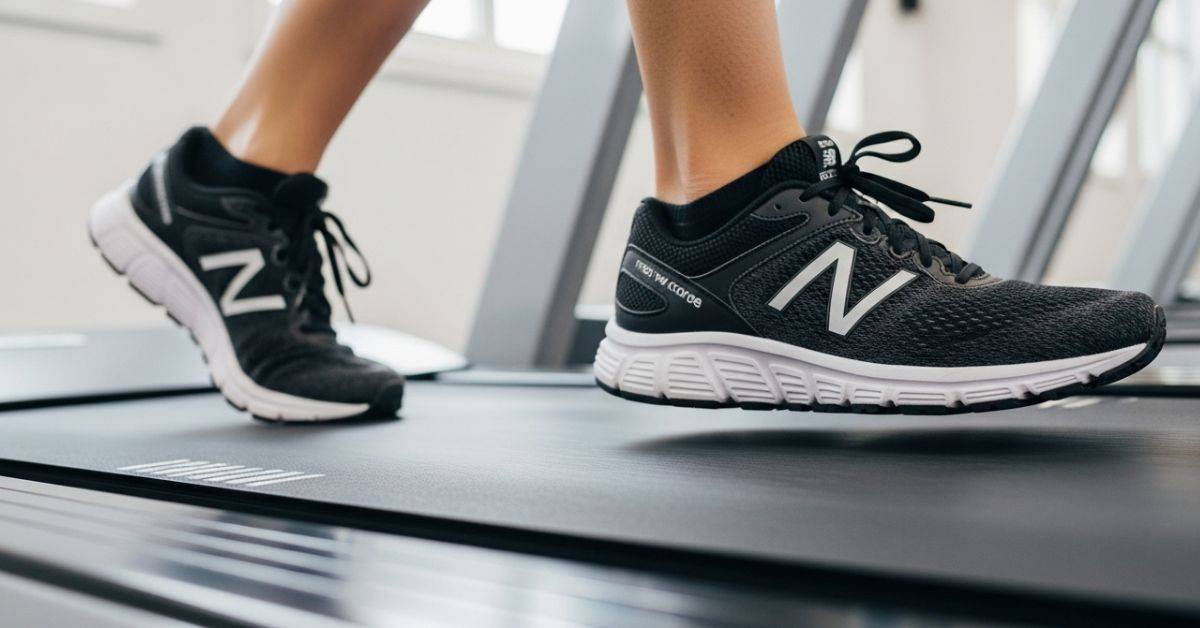 Fitness2 months ago
Why New Balance Running Shoes Are the Perfect Fit for Your Feet
-
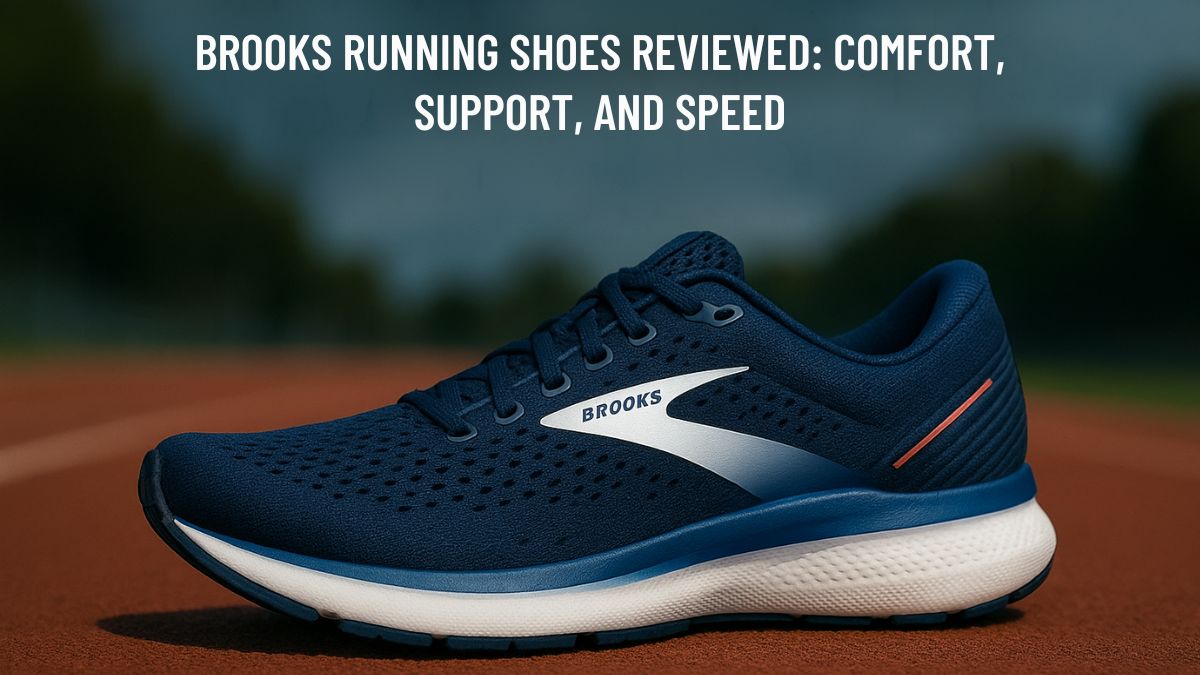 Sports Products2 months ago
Brooks Running Shoes Reviewed: Comfort, Support, and Speed
-
 Sports Products2 months ago
Top 10 Best Shoes for Hyrox to Boost Your Race Performance
-
 Sports Products2 months ago
Top 10 Running Shoes of 2025: Comfort, Speed, and Style Combined
-
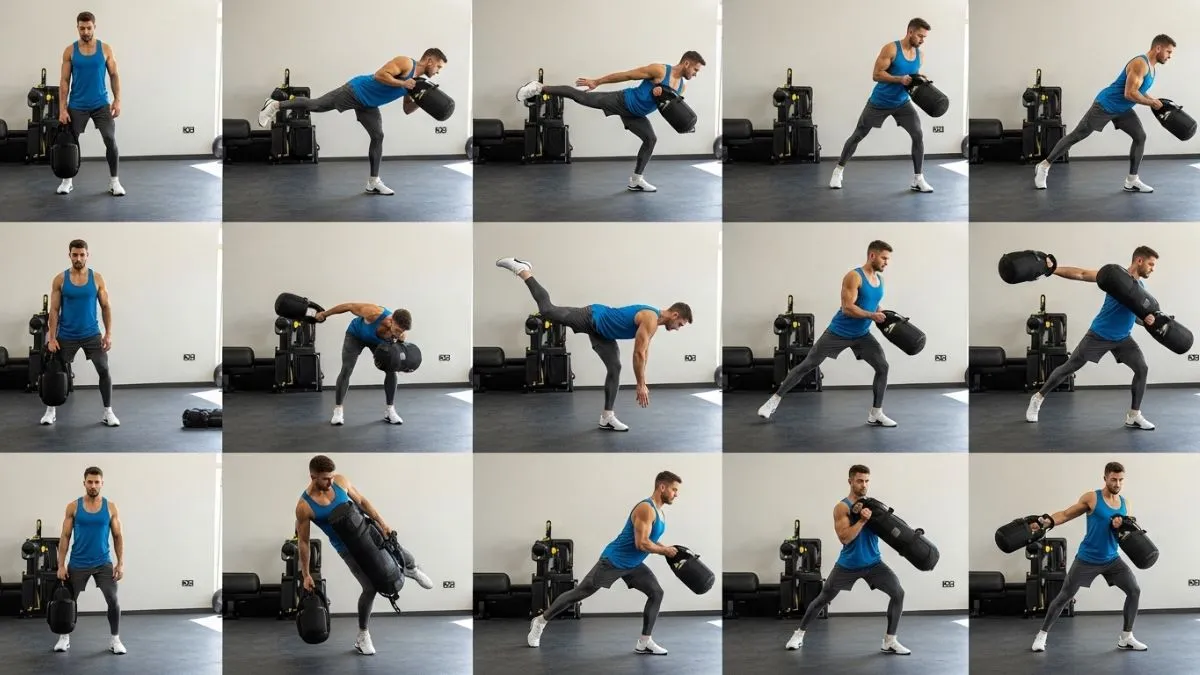 Fitness2 months ago
Best Training Routines for Explosive Sports Legs
-
 Sports Products2 months ago
Why the Nike Hyperko 2 Is the Top Pick for Serious Fighters
-
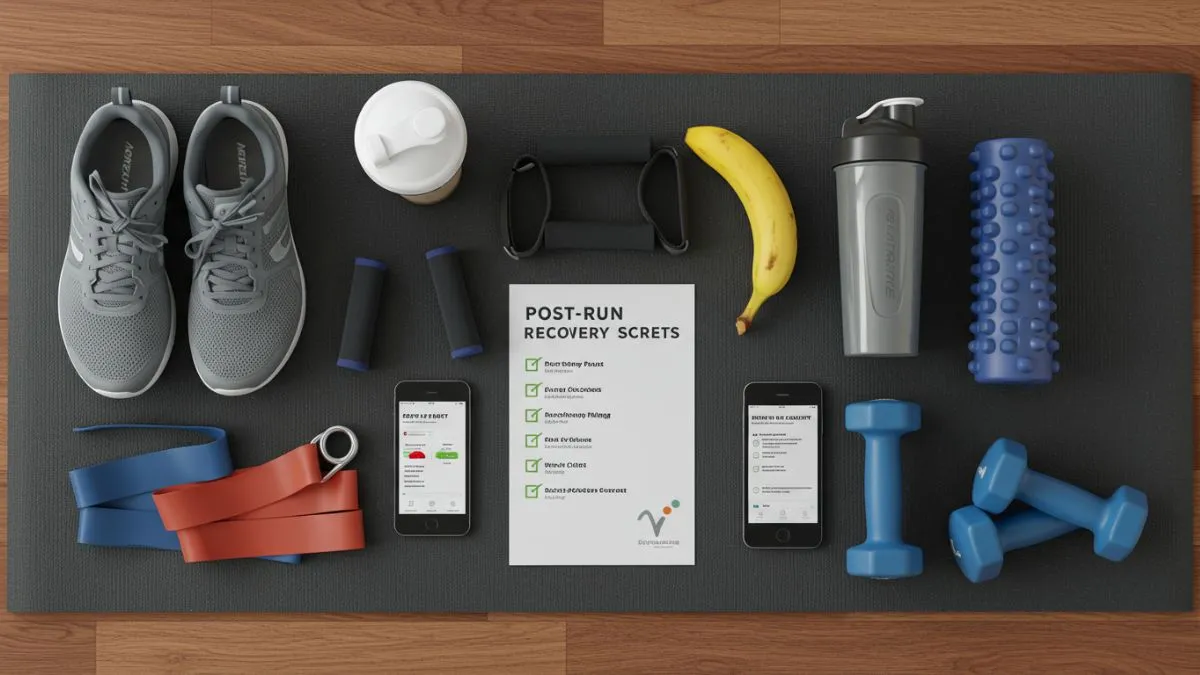 Health2 months ago
Post Run Recovery Secrets: How to Heal Faster and Run Stronger
-
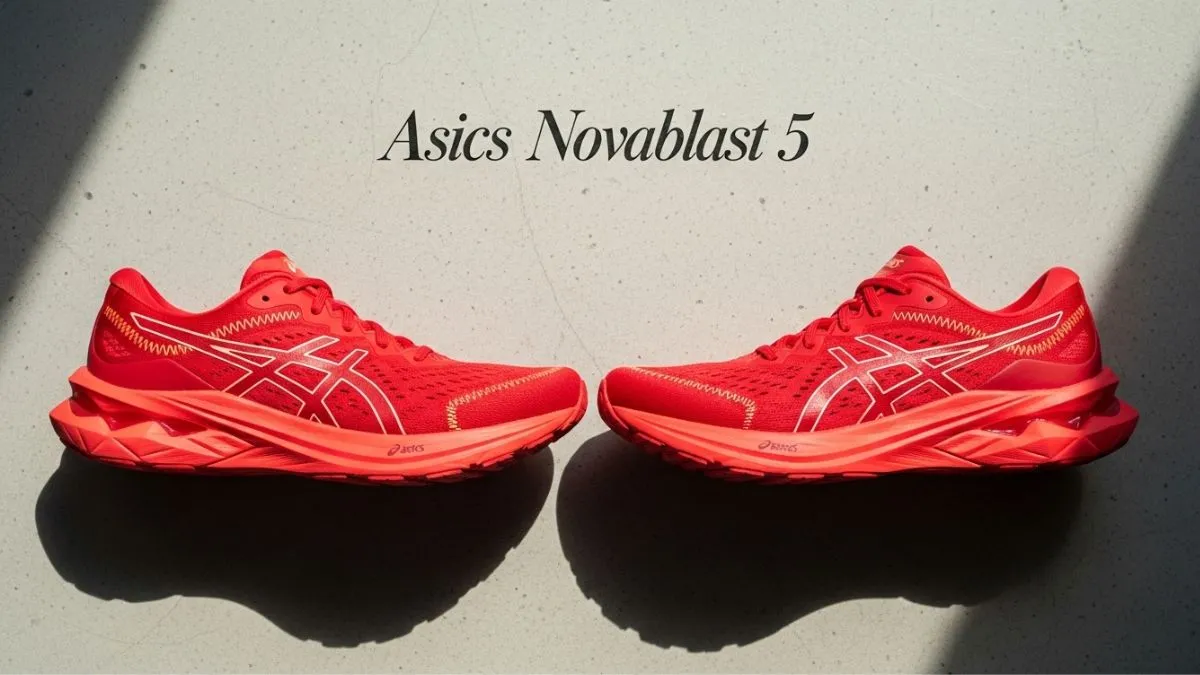 Sports Products2 months ago
Asics Novablast 5 Review: Best Running Shoes 2025