
Blog
Nahttypen Explained: Practical Guide to Sewing Seams


Sewing is one of those skills where small choices make a big difference, and nahttypen sit right at the center of that reality. From the feel of a shirt on your shoulders to how long your jeans survive daily wear, seam types quietly decide success or failure. If you have ever wondered why some garments last for years while others fall apart quickly, understanding seams is a powerful starting point. This guide breaks the topic down in a practical, experience-based way that actually helps.
Understanding Nahttypen in Sewing
Nahttypen is a German term that simply refers to different types of seams used in sewing. While the word may sound technical, the idea behind it is very hands-on and practical. Every seam connects pieces of fabric, but the way that connection is made affects strength, flexibility, and appearance in everyday wear.
When you start noticing seams in clothing, you realize how intentional they are. A seam on a shoulder behaves differently from one on a hem or along a side. These differences are not accidental. They are based on how fabric moves, where stress builds, and how the garment is meant to function during real use.
Understanding nahttypen helps bridge the gap between beginner sewing and confident construction. Instead of guessing which seam might work, you start making informed decisions. This knowledge saves time, reduces fabric waste, and leads to garments that feel better to wear and hold up longer.
Read More: How a Cat Prosthetic Leg Helps Your Pet Walk Again
Why Seam Choice Shapes Garment Quality
Seam choice is one of the quiet foundations of garment quality. Even with expensive fabric, the wrong seam can cause discomfort, weak points, or early damage. The seam determines how stress is distributed when you sit, stretch, or move, which is why quality clothing often feels effortless on the body.
Durability is closely tied to seam structure. Some seams lock fabric layers together tightly, while others allow slight movement to prevent tearing. When seams match the purpose of the garment, the fabric works with the body instead of against it, creating a balanced and comfortable experience.
Appearance matters just as much. A bulky seam can ruin the clean line of a tailored jacket, while a visible decorative seam can enhance a casual design. Choosing the right approach allows seams to either disappear quietly or become a deliberate design feature.
Straight Seams and Their Everyday Uses
Straight seams are the backbone of most sewing projects. They are simple, efficient, and reliable, making them ideal for beginners and professionals alike. You find them in side seams, shoulder seams, and basic construction lines where strength and clarity are more important than flexibility.
What makes straight seams valuable is their predictability. They are easy to press, easy to repair, and easy to adjust later. When you need a garment to hold its shape without shifting, this type of seam provides stability that supports clean structure.
In daily wear clothing, straight seams quietly do their job without drawing attention. Shirts, trousers, and jackets rely on them to maintain form through repeated washing and movement. Their simplicity is exactly what makes them so effective in long-term use.
Elastic and Stretch Seam Applications
Stretch seams are designed for fabrics that move with the body. Knits, jerseys, and activewear rely on seams that can expand and recover without snapping threads. These seams prevent that tight pulling feeling that can make stretch garments uncomfortable or restrictive.
The real benefit shows up during movement. When you bend, reach, or sit, a stretch seam adapts instead of resisting. This flexibility extends garment life because the fabric is not constantly fighting against rigid stitching under stress.
From leggings to fitted tops, elastic seam techniques support comfort without sacrificing durability. Once you experience the difference, it becomes clear why using non-stretch seams on stretchy fabric almost always leads to disappointment.
Decorative Seams as Design Elements
Decorative seams turn construction into visual expression. Instead of hiding the seam, designers highlight it with contrast thread, visible placement, or unique stitching patterns. These seams add personality and structure at the same time.
Beyond looks, decorative seams often reinforce high-stress areas. A well-placed topstitched seam can strengthen edges while adding a professional finish. This combination of function and style is why you often see decorative stitching on denim and outerwear.
Using decorative seams thoughtfully requires balance. Too much detail can overwhelm a garment, while subtle accents can elevate it. When done right, these seams make clothing feel intentional and crafted rather than mass-produced.
Industrial and Technical Seam Methods
Industrial seams are built for performance and repetition. In manufacturing environments, seams must be fast to produce while meeting strict durability standards. These methods are optimized for machines that work continuously at high speed.
Technical seams go a step further by addressing specific needs such as waterproofing, insulation, or load-bearing strength. Outdoor gear and workwear depend on seam constructions that handle extreme conditions without failure.
While home sewists may not use all industrial techniques, understanding them builds respect for garment engineering. It also helps explain why certain clothes cost more and perform better in demanding real-world situations.
Common Mistakes When Selecting Seams
One common mistake is choosing seams based only on appearance. A seam that looks neat on the table may fail once the garment is worn and washed. Function should always come first, especially in areas that experience frequent movement.
Another issue is ignoring fabric behavior. Heavy fabrics need support, while lightweight fabrics need seams that do not add bulk. Matching seam structure to fabric weight prevents puckering, tearing, and discomfort over time.
Rushing the decision process also leads to problems. Taking a few extra minutes to consider seam placement and type often saves hours of frustration later. Thoughtful choices result in garments that feel intentional and reliable.
Conclusion
Choosing the right nahttypen is about understanding how fabric, movement, and purpose work together. Seams are not just technical details; they shape comfort, durability, and style in ways you feel every time you wear a garment. When seams are chosen thoughtfully, clothing becomes more than stitched fabric.
Experience plays a big role in making better seam decisions. Each project teaches what works and what does not, building confidence over time. Paying attention to wear patterns and stress points helps refine future choices naturally.
By approaching nahttypen with curiosity and practicality, sewing becomes more rewarding. The result is clothing that lasts longer, fits better, and reflects a deeper understanding of how good construction truly works.
Read More: khatrimaza south: Overview, Features, and Why It’s Popular

Learning today feels different than it did a decade ago. Information moves faster, attention feels shorter, and students are under constant pressure to perform. That is where studeersnel comes into the picture. It is not about rushing through material, but about learning with intention, structure, and clarity. When used thoughtfully, studeersnel can help students study more effectively while protecting their energy, focus, and confidence in the process.
Understanding Studeersnel as a Learning Approach
Studeersnel is best understood as a mindset rather than a rigid system. It focuses on efficiency without sacrificing comprehension. Instead of studying longer hours, learners aim to study better by choosing methods that match how the brain actually absorbs and recalls information. This shift matters because time and mental energy are limited resources.
Many students struggle not because they lack motivation, but because they use strategies that no longer serve them. Reading the same notes repeatedly or highlighting entire pages often feels productive but leads to weak retention. Studeersnel encourages intentional techniques that make each study session count, even when time is tight.
What makes this approach appealing is its flexibility. It adapts to different subjects, academic levels, and personal learning styles. Whether someone is preparing for exams, managing coursework, or balancing studies with work, studeersnel emphasizes progress through clarity rather than pressure.
Read More: EHJConline: A Complete Guide for Students and Professionals
Why Traditional Studying Often Fails Students
Traditional study habits are usually inherited rather than chosen. Students copy what they see others do, assuming effort equals effectiveness. Long study sessions, late nights, and constant rereading can create exhaustion without real understanding. Over time, this leads to burnout and frustration, not mastery.
The core problem lies in passive learning. When the brain is not challenged to retrieve, connect, or apply information, knowledge fades quickly. Many learners mistake familiarity for understanding, only realizing the gap during exams. This disconnect damages confidence and increases anxiety around academic performance.
Studeersnel pushes back against this cycle by promoting active engagement. It values quality over quantity and helps students recognize when a method feels comfortable but ineffective. Once learners see why old habits fail, they become more open to strategies that actually support long term learning.
How Focus and Structure Shape Better Results
Focus is not just about avoiding distractions. It is about knowing what deserves attention at any given moment. Without structure, study sessions often drift, leaving students tired but unsure of what they achieved. Clear goals give the brain direction and reduce decision fatigue.
A structured approach also creates mental safety. When learners know what to study and how long they will study it, resistance decreases. The brain relaxes because the task feels defined rather than overwhelming. This sense of control is a quiet but powerful motivator.
Studeersnel emphasizes intentional planning. Short, focused sessions with clear outcomes often outperform long, unfocused ones. Over time, this rhythm builds trust in the process. Students begin to see consistent progress, which reinforces motivation and reduces the urge to procrastinate.
Memory, Retention, and Smarter Study Techniques
Memory works best when information is revisited strategically, not repeatedly in one sitting. Techniques like spaced repetition and active recall align with how the brain strengthens neural connections. These methods may feel harder at first, but they produce deeper understanding and longer retention.
Many learners avoid challenging techniques because they feel uncomfortable. Struggling to recall information can feel like failure, even though it is a sign of learning in progress. Studeersnel reframes difficulty as a useful signal rather than something to avoid.
By engaging memory intentionally, students reduce last minute cramming. Knowledge becomes more stable and accessible under pressure. This matters not only for exams but also for building skills that carry forward into future courses and real world applications.
Managing Time Without Burning Out
Time management is often treated as a scheduling problem, but it is really an energy problem. Studying when exhausted leads to diminishing returns. Students who adopt studeersnel learn to respect their cognitive limits and plan around them instead of fighting them.
Shorter sessions with breaks allow the brain to reset. This prevents mental overload and keeps motivation intact. Over time, students notice they can accomplish more in less time because their focus remains sharper throughout each session.
Burnout often comes from feeling trapped in endless study cycles. A smarter approach introduces balance. When learners trust their methods, they feel permission to rest without guilt. That balance supports consistency, which ultimately matters more than intensity.
The Role of Environment and Digital Tools
The environment shapes behavior more than most people realize. A cluttered or noisy space drains attention, even when students believe they are multitasking successfully. Creating a consistent study environment helps the brain enter focus mode more quickly.
Digital tools can either support or sabotage learning. Notifications, open tabs, and constant switching fragment attention. Studeersnel encourages intentional tool use, where technology serves the learning goal instead of competing with it.
When tools are chosen carefully, they enhance efficiency. Digital planners, flashcard apps, and distraction blockers can support structure and recall. The key is simplicity. Too many tools create friction, while the right few reinforce consistency and clarity.
Building Confidence Through Consistent Progress
Confidence in learning does not come from intelligence alone. It grows through repeated experiences of success, even small ones. When students see steady improvement, their self trust strengthens. This changes how they approach challenges and setbacks.
Studeersnel supports confidence by making progress visible. Clear goals, measurable outcomes, and regular reflection help learners recognize how far they have come. This perspective reduces comparison with others and keeps attention on personal growth.
As confidence grows, anxiety decreases. Students feel more capable of handling difficult material because they trust their process. This emotional shift is just as important as academic improvement, especially in high pressure educational environments.
Conclusion: Why Studeersnel Fits Modern Learning Needs
Education today demands adaptability, focus, and resilience. Studeersnel aligns with these demands by offering a practical way to study smarter without sacrificing well being. It replaces outdated habits with strategies grounded in how learning actually works.
By emphasizing structure, active engagement, and sustainable effort, this approach helps students regain control over their studies. Progress becomes predictable rather than stressful. Learning feels purposeful instead of overwhelming.
Ultimately, studeersnel matters because it respects both the mind and the time of the learner. It reminds students that effective studying is not about doing more, but about doing what truly works.
Read More: Dfcbktr: Understanding Its Role and Real-World Impact

Soccerway has quietly become one of those tools football fans stumble upon and then never stop using. Whether you follow one local league or track matches across continents, it offers a calm, organized way to stay connected with the game. Instead of chasing updates across multiple sites, everything sits in one place. That simplicity matters when football never really sleeps and matches are always kicking off somewhere.
Understanding the Platform’s Core Purpose
At its heart, the platform exists to make football information easy to access and easy to trust. Fans want clarity, not noise, and this system focuses on presenting facts without distractions. Scores, fixtures, and results are arranged cleanly so users can absorb information fast, even during busy matchdays.
What makes the experience feel reliable is the consistency. Match data follows the same structure across leagues, which reduces confusion. Once you learn how to read one competition page, you can navigate any other without effort. That familiarity saves time and keeps attention on the game itself.
For casual viewers, this means less stress when checking results. For serious followers, it creates confidence that nothing important is being missed. The platform bridges both worlds by staying simple while remaining thorough.
Read More: Best Training Routines for Explosive Sports Legs
Live Scores and Match Tracking Experience
Live match tracking is where the platform truly earns loyalty. Updates arrive quickly, often within moments of on-field action. Goals, cards, substitutions, and final whistles appear in a logical timeline that mirrors how fans actually watch matches unfold.
The layout avoids clutter, which helps during tense moments. When multiple games run at once, users can scan scores without feeling overwhelmed. That calm presentation matters more than flashy graphics when emotions already run high during close matches.
For fans following teams across time zones, live tracking becomes a daily habit. It allows people to stay connected even when watching live broadcasts is not possible. The experience feels practical rather than showy, which builds long-term trust.
Depth of Statistics and Match Details
Beyond scores, the real value shows up in the depth of available statistics. Match pages include possession data, shots, fouls, and other indicators that explain how a game actually played out. These details help fans understand performance beyond the final scoreline.
Statistics also support better conversations. Instead of arguing opinions, fans can reference concrete numbers to explain why a team dominated or struggled. That shift from emotion to evidence improves how people discuss football online and offline.
Over time, regular exposure to match data sharpens understanding of the sport. Patterns become visible, tactics feel clearer, and fans start seeing games through a more informed lens rather than pure instinct.
League Coverage Across the Football World
One of the strongest features is the breadth of league coverage. Major European competitions sit alongside lesser-known regional leagues, all treated with the same structure and respect. This global approach reflects how football fandom works today.
Fans are no longer limited to one country or league. A supporter might follow a hometown club, a favorite foreign team, and a rising talent overseas. Having all of that information under one roof simplifies that modern viewing habit.
This wide coverage also supports discovery. Many users first encounter new leagues or teams simply by browsing fixtures. That exposure deepens appreciation for football as a truly global sport.
Why Soccerway Appeals to Different Types of Fans
Soccerway manages to feel useful without demanding commitment. Casual fans appreciate quick score checks, while analysts enjoy deeper dives into match data. The platform does not push one style of use, which keeps it flexible.
For bettors and fantasy players, historical data becomes especially valuable. Past results, head-to-head records, and seasonal trends help users make more informed decisions without needing advanced tools.
Even journalists and content creators rely on the platform for quick verification. When accuracy matters, having a dependable reference saves time and reduces errors in reporting or analysis.
User Interface and Ease of Navigation
The interface favors clarity over decoration. Pages load quickly, menus remain predictable, and navigation feels intuitive even for first-time users. That design choice respects the user’s time and attention.
Search functionality adds to the smooth experience. Finding a team, league, or match takes seconds, which is crucial when breaking news or live action unfolds. Nothing feels buried or hidden behind unnecessary steps.
This simplicity also works well across devices. Whether accessed on a phone or desktop, the structure remains familiar. That consistency encourages regular use without a learning curve.
Accuracy, Trust, and Long-Term Reliability
Trust builds slowly, and accuracy plays the biggest role in that process. Over time, users notice that match details align closely with official sources. Errors feel rare, which reinforces confidence in the information provided.
Consistency across seasons strengthens credibility further. Historical data remains accessible and organized, allowing users to compare teams or track long-term performance without gaps or confusion.
When fans rely on a platform daily, reliability becomes non-negotiable. The steady performance here explains why so many users return year after year without feeling the need to look elsewhere.
Conclusion: Why Soccerway Remains a Go-To Resource
Soccerway succeeds because it understands what football fans actually need. It does not try to entertain with gimmicks or overwhelm with excess features. Instead, it delivers clear information in a calm, structured way that respects the rhythm of the sport.
From live scores to deep statistics, the platform supports both quick check-ins and thoughtful analysis. That balance keeps it relevant for a wide audience with different levels of interest.
In a football world full of noise, Soccerway remains quietly dependable. That reliability is why it continues to earn trust, clicks, and daily visits from fans around the globe.
Read More: Moneylineem: A Complete Guide to Smarter Betting Decisions

Weather affects nearly every decision we make, from choosing clothes to planning travel or work. MyWeather2 fits naturally into daily routines by offering clear, usable forecasts without overwhelming detail. Instead of confusing charts or dramatic alerts, it focuses on practical understanding. Within minutes, you know what the day feels like, not just what the temperature says. That clarity is why many people return to it daily and trust it as a steady companion rather than a noisy app.
Understanding What MyWeather2 Really Offers
At its core, MyWeather2 is built around simplicity. It does not try to impress users with endless technical data. Instead, it translates atmospheric information into language people can actually use. This matters because most users care more about how weather affects plans than about raw meteorological numbers. Clear interpretation saves time and reduces decision fatigue.
The platform balances accuracy with readability. Forecasts are structured to answer common questions quickly, such as whether rain will disrupt errands or if evenings will cool down fast. This approach reflects how people experience weather in real life. You wake up, check conditions, and move on with your day feeling prepared rather than overloaded.
Another key strength lies in consistency. Weather apps lose trust when predictions swing wildly. By focusing on stable updates and realistic expectations, the service builds confidence over time. Even when forecasts change, explanations feel grounded. That reliability is often what turns a casual user into someone who checks the app every morning.
Read More: Best Cold Weather Running Gear to Keep You Warm and Performing Strong
Why Clear Forecasts Matter in Daily Life
Weather information shapes countless small choices. Clear forecasts help parents plan school routines, commuters adjust travel, and outdoor workers stay safe. When information is confusing, people either ignore it or make poor assumptions. A readable forecast bridges that gap between data and action, which is where real value exists.
Many platforms overwhelm users with icons and alerts. That noise can cause people to tune out warnings altogether. By contrast, a calmer presentation encourages attention. When rain or heat is explained in plain terms, users are more likely to adapt their plans responsibly rather than react at the last minute.
This clarity also reduces stress. Knowing what to expect allows people to focus on tasks instead of worrying about sudden changes. Over time, this creates a healthier relationship with weather information. It becomes a helpful tool rather than a source of anxiety or confusion.
How MyWeather2 Supports Better Planning
Planning improves when forecasts align with lived experience. MyWeather2 emphasizes how conditions feel, not just what instruments record. Temperature ranges, wind influence, and timing of changes are presented in a way that mirrors reality. That helps users decide what to wear, when to travel, or whether to reschedule events.
Short-term planning benefits most from this approach. Hour-by-hour updates give context without constant notifications. You can glance once and understand the flow of the day. This reduces the habit of checking weather repeatedly, which often creates unnecessary worry rather than clarity.
Longer-term planning also gains value. While no forecast is perfect, realistic trends help with weekend plans or work schedules. By avoiding exaggerated certainty, the platform encourages flexibility. Users learn to plan with weather instead of fighting against unpredictable conditions.
User Experience and Ease of Use
Ease of use determines whether people stick with a weather service. MyWeather2 keeps navigation intuitive, so even first-time users feel comfortable. Information is organized logically, making it easy to find what matters most without digging through menus or settings.
The visual design supports understanding rather than distraction. Colors, symbols, and text work together to convey meaning quickly. This is especially helpful during busy mornings or stressful situations when users need answers fast. A clean interface respects attention and time.
Accessibility also plays a role. Clear language benefits users of all ages and backgrounds. Whether someone is tech-savvy or not, they can understand forecasts easily. That inclusivity strengthens trust and broadens the platform’s appeal beyond niche audiences.
Accuracy, Trust, and Realistic Expectations
Accuracy builds trust, but honesty sustains it. MyWeather2 focuses on realistic forecasting rather than dramatic claims. Weather is inherently uncertain, and acknowledging that uncertainty helps users set proper expectations. When predictions shift, the changes feel reasonable rather than confusing.
Trust grows when users see forecasts align with real outcomes over time. Even when conditions differ slightly, explanations help users understand why. This transparency reduces frustration and increases confidence in future forecasts. People feel informed rather than misled.
The platform also avoids alarmist language. Severe conditions are communicated clearly without panic. This measured tone encourages responsible responses instead of fear-based reactions. Over time, users learn to rely on the service for calm guidance during both ordinary and challenging weather events.
Practical Benefits for Different Lifestyles
Different lifestyles demand different weather insights. For office workers, knowing commute conditions and temperature swings matters most. For outdoor professionals, wind, rain timing, and visibility can affect safety. MyWeather2 adapts well to these varied needs without overwhelming any group.
Families benefit from predictable routines. Clear morning forecasts help with school drop-offs and activities. Travelers appreciate straightforward updates that support flexible planning. Even casual users gain confidence simply knowing what the day holds without overthinking details.
This adaptability makes the platform useful across seasons. Summer heat, winter cold, and transitional weather are all explained in context. Instead of treating every condition as exceptional, it helps users adjust naturally, building long-term reliance rather than short-term curiosity.
How It Compares to Other Weather Tools
Many weather tools compete on features, but more is not always better. MyWeather2 stands out by focusing on understanding rather than volume. While others flood screens with metrics, this approach prioritizes meaning. Users spend less time interpreting and more time acting.
Another difference lies in tone. Some services rely heavily on alerts that feel urgent even when they are not. A calmer style encourages trust and regular use. When important warnings appear, they carry more weight because users are not already overwhelmed.
Comparison also highlights consistency. Frequent redesigns or drastic changes can confuse loyal users. A stable experience allows people to build habits around checking forecasts. That familiarity becomes a quiet strength, keeping users engaged without demanding constant attention.
Conclusion: Is MyWeather2 Worth Using Long Term
Choosing a weather platform is about trust and habit, not novelty. MyWeather2 earns its place by offering clarity, consistency, and realistic guidance. It respects users’ time and intelligence, translating complex conditions into usable insights. Over weeks and months, that reliability becomes noticeable.
Long-term value comes from reduced stress and better decisions. When forecasts feel understandable and honest, users stop second-guessing them. Planning becomes smoother, and weather fades into the background where it belongs, supporting life instead of disrupting it.
For anyone seeking a dependable, human-centered approach to forecasting, this platform offers a balanced solution. It does not promise perfection, but it delivers understanding. That makes it a tool people can rely on day after day, season after season.
-
 Fitness2 months ago
Why New Balance Running Shoes Are the Perfect Fit for Your Feet
-
 Sports Products2 months ago
Brooks Running Shoes Reviewed: Comfort, Support, and Speed
-
 Sports Products2 months ago
Top 10 Best Shoes for Hyrox to Boost Your Race Performance
-
 Sports Products2 months ago
Top 10 Running Shoes of 2025: Comfort, Speed, and Style Combined
-
 Fitness2 months ago
Best Training Routines for Explosive Sports Legs
-
 Sports Products2 months ago
Why the Nike Hyperko 2 Is the Top Pick for Serious Fighters
-
 Health2 months ago
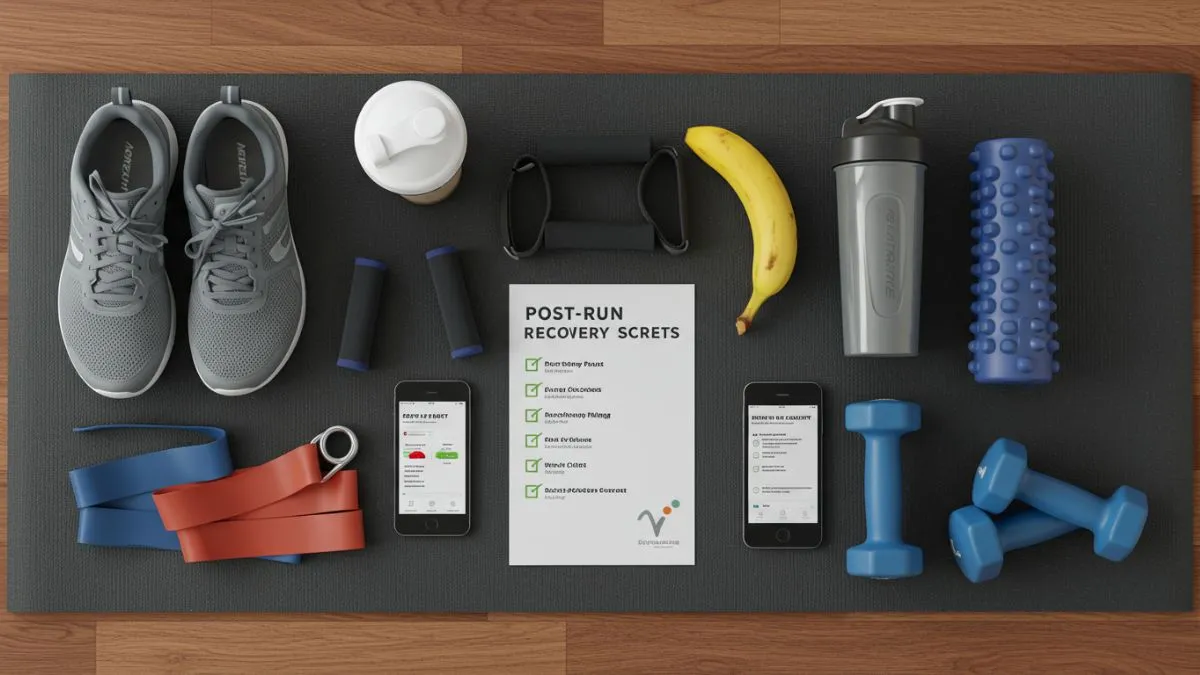
Post Run Recovery Secrets: How to Heal Faster and Run Stronger
-
 Sports Products2 months ago
Asics Novablast 5 Review: Best Running Shoes 2025