
Sports Products
Carbon Fiber Shoes: The Ultimate Guide to Faster, Smarter Running

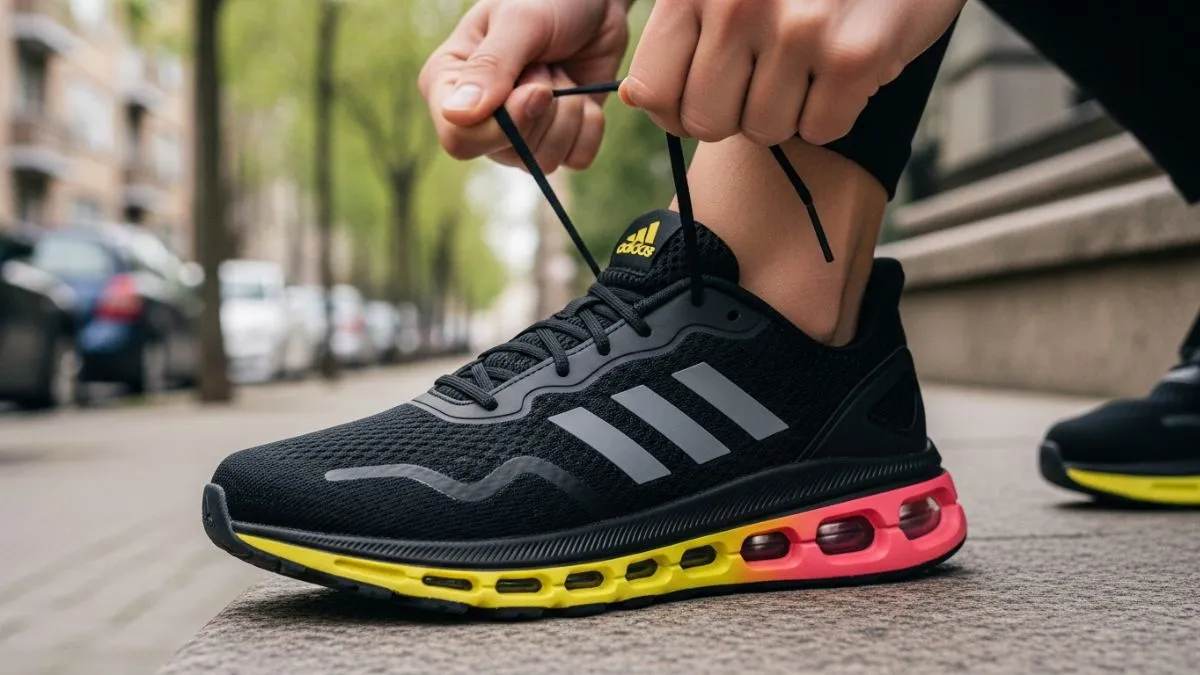
Carbon fiber shoes have transformed the running world, creating a new era defined by speed, efficiency, and innovative design. Whether you’re a seasoned marathoner, a recreational jogger, or someone curious about how running shoes keep getting faster, carbon fiber technology has become nearly impossible to ignore. These shoes promise enhanced propulsion, reduced fatigue, and improved running economy all thanks to a lightweight, resilient carbon plate embedded within the midsole.
As they continue to dominate major races and influence shoe manufacturing trends, carbon fiber shoes have become more than a fad; they are shaping the future of performance footwear. This in-depth, comprehensive, 2000+ word guide will walk you through everything you need to know about carbon fiber shoes, naturally incorporating semantic keywords like super shoes, energy return, and performance running footwear to ensure a complete, user-friendly understanding.
Introduction
Carbon fiber shoes have become a defining symbol of modern running innovation, blending engineering, biomechanics, and advanced materials to help athletes achieve new levels of performance. The introduction of carbon plates in running shoes sparked a revolution that changed how runners approach races, training, and even shoe selection. The appeal is clear: these shoes help runners maintain speed with less effort, reduce ground contact time, and enhance running economy.
In this guide, we explore what carbon fiber shoes are, how they work, why they’ve become so popular, and whether they’re right for you. Written conversationally and in-depth, this article breaks down complex concepts into simple explanations, giving you all the information you need without the robotic or repetitive tone often seen in AI-generated content.
What Are Carbon Fiber Shoes?
Carbon fiber shoes are performance running shoes equipped with a carbon fiber plate inside the midsole, typically embedded between layers of lightweight, responsive foam. This carbon plate acts like a springboard, enhancing propulsion and helping runners maintain momentum with less energy loss. Paired with thick, bouncy foam, the shoe creates a highly efficient platform that improves speed and reduces fatigue.
Although carbon fiber itself has been used in industries like aerospace and automotive for decades due to its strength and lightweight properties, its application in running shoes is relatively new. The combination of modern foam technology and carbon plates is what gave rise to the explosive popularity of super shoes in competitive running.
How Carbon Fiber Plates Work
The carbon plate within the shoe works by providing rigidity and promoting forward motion with each step. Instead of your feet absorbing impact and losing energy, the plate redirects some of that energy into forward propulsion. This creates a sensation of being “catapulted” forward, which many runners notice the first time they try carbon fiber shoes.
Because the plate is curved, it helps guide your foot through a smooth heel-to-toe transition, reducing unnecessary movement and improving efficiency. The lightweight nature of carbon fiber ensures this added structure doesn’t weigh down the shoe. When combined with highly responsive foam, the plate helps reduce fatigue during long efforts and prevents shoe collapse during intense speed sessions.
The Evolution of Super Shoes
Carbon fiber shoes are often referred to as super shoes because of their advanced technology and performance benefits. The evolution began when brands started experimenting with new foam compounds designed for higher energy return. Once carbon plates were paired with these foams, performance footwear entered a new era. Elite marathoners began breaking records at unprecedented rates, prompting widespread adoption among athletes of all levels.
Today, nearly every major athletic brand has its own version of carbon fiber shoes, each with unique features but sharing the same core technology. The evolution continues as companies refine plate shapes, foam densities, weight distribution, and durability.
Why Carbon Fiber Shoes Feel So Different
Runners often describe carbon fiber shoes as feeling “springy,” “bouncy,” or “effortless,” and that sensation comes from the combined effect of the plate and the cushioning system. The rigid carbon plate reduces flexibility in the shoe, which redirects energy forward instead of allowing it to dissipate. Meanwhile, the thick foam underfoot compresses and rebounds with every step, providing an energy return that boosts running economy.
The rocker shape created by the plate and foam results in a smooth, rolling transition that helps you maintain rhythm and reduce stress on your calves and ankles. The combination of these elements makes carbon fiber shoes feel drastically different compared to traditional running shoes.
Benefits of Carbon Fiber Shoes
Carbon fiber shoes provide numerous benefits that make them appealing to both casual runners and elite athletes. The most significant advantage is improved running economy, meaning you expend less energy to maintain the same pace. This allows runners to sustain faster speeds for longer distances without experiencing early fatigue.
These shoes also reduce ground contact time by encouraging quicker transitions between steps, which enhances overall speed. The stiff plate adds stability during toe-off, helping maintain proper form even late in a run. Additionally, the cushioning helps reduce impact on joints, making long runs feel smoother. These benefits collectively create a more effortless running experience, especially during high-intensity efforts.
The Role of Energy Return
Energy return is a critical component of performance running footwear, especially in carbon fiber shoes. Energy return refers to how much of the energy you apply into the ground is transferred back into forward motion. Traditional running shoes absorb much of this energy, causing you to lose momentum. Carbon fiber shoes, however, maximize energy return through their combination of stiff plates and responsive foam.
The foam compresses under pressure and rebounds quickly, while the plate adds structure to prevent the foam from compressing too much. This synergy creates a powerful propulsion effect that reduces the energy required to maintain pace, helping runners feel fresher and faster.
Who Should Use Carbon Fiber Shoes?
While carbon fiber shoes are often associated with elite runners, they can benefit runners at many levels. If you’re training for a marathon, half marathon, or 10K, these shoes can help improve efficiency and delay fatigue on race day. They can also benefit runners who want to reduce strain on their joints, as the cushioned design helps absorb impact.
However, beginners may find the rocker-style shape and stiff plate unusual, so it’s important to ease into using them. They work best for runners with at least some experience, especially those who already run consistently and want to elevate their performance.
Are Carbon Fiber Shoes Worth the Investment?
Carbon fiber shoes are typically more expensive than traditional running shoes, which leads many runners to wonder whether they’re worth it. The answer depends on your goals. If you’re looking to improve race performance, reduce fatigue during long runs, or gain an edge in training, carbon fiber shoes can be a worthwhile investment.
Many runners report faster times and more comfortable long-distance efforts after transitioning to carbon-plated footwear. However, if you primarily run casually or for fitness, the performance benefits may not be essential. Ultimately, they offer high value for competitive and frequent runners, but casual runners may prefer more affordable options.
How Carbon Fiber Shoes Reduce Fatigue
One of the biggest advantages of carbon fiber shoes is their ability to reduce fatigue during long runs. The carbon plate reduces the workload on your calves and ankles by stabilizing the foot and promoting a rolling motion. The thick cushioning helps absorb impact forces, preventing your legs from feeling heavy early in the run.
The improved energy return allows you to maintain pace with less perceived exertion, making long distances feel more manageable. Over time, these benefits help prolong endurance and delay the onset of muscle fatigue, which is especially valuable during marathons.
The Impact on Running Form
Carbon fiber shoes naturally encourage a forward-leaning posture and quicker turnover, which contribute to better running form. The rocker-shaped midsole promotes a seamless transition from landing to toe-off, reducing the likelihood of overstriding. Runners also tend to maintain a more efficient cadence when wearing carbon-plated shoes, resulting in better form and improved momentum.
However, it’s important to recognize that carbon shoes do not magically fix form issues, and runners should still focus on strengthening their core, glutes, and legs to support proper mechanics. When paired with solid technique, these shoes enhance natural movement rather than replacing the need for good form.
Foam Technology and Its Importance
The foam used in carbon fiber shoes is just as important as the plate itself. Modern super shoes utilize lightweight, responsive foams that provide exceptional cushioning without sacrificing performance. These foams compress easily and rebound quickly, offering high levels of energy return. The combination of ultra-soft cushioning and a rigid plate ensures that the shoe remains responsive and stable.
Without advanced foam technology, carbon plates alone wouldn’t provide the same level of efficiency. The foam works collaboratively with the plate to create a balanced, high-performance platform that enhances speed and comfort.
Understanding Rocker Geometry
Rocker geometry refers to the curved shape of the shoe’s sole, which mimics the natural rolling motion of the foot. This design is a key element of carbon fiber shoes, as it allows runners to transition smoothly from landing to push-off. The rocker helps reduce the time your foot spends in contact with the ground, improving cadence and promoting efficient forward motion.
Combined with the plate’s stiffness, the rocker encourages an effortless stride and helps maintain momentum. Runners often describe the sensation as being gently guided forward with each step, reducing the strain on lower leg muscles.
Carbon Fiber Shoes for Long-Distance Running
Long-distance runners benefit significantly from carbon fiber shoes due to their cushioning, durability, and efficiency-enhancing features. The reduced impact on joints and improved energy return help preserve stamina during marathon training and racing.
Many athletes find that carbon shoes help them maintain pace late into the race when fatigue becomes a major factor. The stability added by the carbon plate helps maintain good form even when the legs start to tire. As a result, many marathoners rely on carbon fiber shoes as part of their race-day strategy.
Carbon Fiber Shoes for Sprinting and Speed Work
While carbon fiber shoes are often associated with long-distance running, they also offer advantages for speed training. The powerful energy return helps sprinters and interval runners accelerate quickly and maintain high turnover. The rigidity of the plate enhances stability during fast efforts, reducing the risk of slippage or wobbling.
Many runners use carbon-plated shoes exclusively for speed workouts to maximize the benefits without wearing out the shoes prematurely. Because the foam tends to compress over time, saving the shoes for key sessions ensures they retain their performance qualities longer.
Durability and Longevity Concerns
One common concern with carbon fiber shoes is durability. While the carbon plate itself is extremely durable, the soft foam surrounding it tends to break down faster than traditional materials. Most carbon fiber shoes are estimated to last between 150 and 300 miles, depending on the brand and running conditions.
This is significantly less than standard running shoes, which often last 400–500 miles. Therefore, many runners reserve carbon fiber shoes for races and specialty workouts rather than everyday training. Proper care, clean storage, and avoiding rugged terrain can also help extend their lifespan.
The Role of Fit and Comfort
Fit and comfort are crucial when selecting carbon fiber shoes. Because these shoes have a distinct shape and stiffness, they may feel different compared to traditional trainers. It’s important to choose a pair that provides adequate room in the toe box, secure midfoot support, and minimal heel slippage.
Many carbon-plated shoes are designed with snug, race-ready fits that hug the foot tightly, enhancing stability. When choosing a pair, consider your foot shape, preferred cushioning level, and running style. Testing the shoes before a long race is essential to ensure comfort and prevent blisters.
Carbon Fiber Shoes and Injury Prevention
Carbon fiber shoes can support injury prevention by reducing impact forces and improving running efficiency. The combination of cushioning and energy return helps decrease load on the knees and Achilles tendon, which are common injury sites for runners. The rocker geometry also reduces stress on the calves by promoting smoother transitions.
However, because the shoes alter biomechanics, transitioning too quickly can lead to discomfort or strain. It’s best to introduce them gradually into your training routine to allow your body to adapt. When used correctly, carbon fiber shoes can be a valuable tool in maintaining a healthy running regimen.
Environmental Considerations
As carbon fiber shoes grow in popularity, so do concerns about their environmental impact. The specialized foams, adhesives, and carbon plates are not easily recyclable, and the shorter lifespan of these shoes contributes to higher waste output. Some brands are experimenting with more sustainable materials, but carbon fiber shoes remain resource-intensive.
Runners who care deeply about sustainability may choose to limit their use of carbon fiber shoes to key events or supplement their rotation with eco-friendly trainers. Balancing performance with environmental responsibility is an ongoing challenge for the footwear industry.
How to Transition Into Carbon Fiber Shoes
Transitioning into carbon fiber shoes should be done gradually to prevent strain on the muscles and joints. Begin by incorporating them into short runs or speed sessions before using them for long distances. Pay attention to how your feet, calves, and hips feel, as the rocker design and stiffness may require adaptation.
After a few weeks of progressive use, most runners feel comfortable enough to begin using carbon shoes for longer efforts. It’s important not to rely solely on carbon fiber shoes; maintaining a diverse shoe rotation helps reduce injury risk and improves running resilience.
Differences Between Brands
Not all carbon fiber shoes are created equal. Brands vary in terms of foam density, plate shape, stack height, fit, and stability. Some shoes prioritize maximum energy return, while others focus on lightweight design or stability. For example, some models feature wider bases for added balance, while others use extremely soft foams for maximum bounce. When choosing a pair, consider your running goals, preferred cushioning level, and foot mechanics. Trying different models or reading detailed performance reviews can help determine the best match for your needs.
Racing Strategies With Carbon Fiber Shoes
Many runners use carbon fiber shoes specifically for race day because of the performance boost they provide. When using them in a race, it’s important to have practiced in the shoes beforehand to understand how they affect cadence, pace, and leg turnover. These shoes are particularly effective when aiming for a personal best, as they help maintain efficiency during long efforts.
The lightweight design also reduces fatigue during late-stage miles, making them ideal for marathons and half marathons. Having a race strategy that incorporates cadence, hydration, and pacing will help you maximize the benefits of your carbon-plated footwear.
Carbon Fiber Shoes for Everyday Training
While carbon fiber shoes offer impressive benefits, they are not always ideal for daily training. The foam tends to compress faster with frequent use, shortening the lifespan of the shoes. Additionally, the stiff carbon plate may place strain on the calves if used too often.
Many runners choose a heavier, more cushioned training shoe for everyday use and reserve their carbon fiber shoes for important workouts and races. This approach balances performance and durability while ensuring the shoes maintain their effectiveness when it matters most.
Strength Training to Enhance Performance
Using carbon fiber shoes can improve performance, but pairing them with strength training leads to even greater benefits. Strong calves, glutes, hip flexors, and core muscles support the fast turnover and efficient form encouraged by carbon plates.
Exercises like lunges, squats, calf raises, and planks enhance stability and reduce injury risk. Strength training also improves the body’s ability to maintain efficient biomechanics during long runs. When combined with the propulsion of carbon fiber shoes, strength work helps runners reach their full potential.
Mental Benefits of Carbon Fiber Shoes
Beyond physical advantages, carbon fiber shoes offer important psychological benefits. Runners often feel more confident and motivated when wearing super shoes, knowing the technology offers a performance boost. This mental edge can improve race-day focus and reduce anxiety.
Wearing carbon-plated footwear can also create a sense of excitement and anticipation before key workouts or races. Confidence plays a major role in performance, and these shoes often provide the mental lift runners need to push through challenging moments.
Common Misconceptions About Carbon Fiber Shoes
There are several misconceptions surrounding carbon fiber shoes that can confuse new buyers. One common myth is that they automatically make you faster. While they do improve efficiency, they cannot compensate for lack of training, poor form, or inconsistent pacing.
Another misconception is that carbon-plated shoes are only for elite athletes; in reality, runners of all levels can benefit. Some believe the shoes are dangerous or cause injury, but most injuries occur from improper transition or overuse. When used appropriately, carbon fiber shoes are safe, effective, and accessible to many runners.
Caring for Your Carbon Fiber Shoes
Proper care helps maximize the lifespan of your carbon fiber shoes. Avoid using them on rough terrain, as the soft foam can wear down quickly. After runs, store them in a cool, dry place away from direct sunlight to preserve the foam’s integrity.
Remove debris from the outsole and avoid machine washing. Alternating between different pairs of running shoes also helps reduce wear and tear. With careful maintenance, your carbon fiber shoes will retain their performance qualities longer and remain effective for key workouts and races.
Choosing the Right Carbon Fiber Shoes
Selecting the right pair of carbon fiber shoes involves considering several factors, including fit, cushioning, stability, and purpose. Think about your primary running goals speed work, racing, or long-distance training before making a decision. Check whether you prefer softer or firmer foam, as each brand differs in feel.
Ensure the shoe provides enough stability for your stride, especially if you overpronate. Comfort is also vital; a well-fitting carbon fiber shoe enhances performance and prevents blisters or hotspots. Taking the time to evaluate these features ensures a satisfying and productive running experience.
Conclusion
Carbon fiber shoes represent one of the most significant advancements in performance running footwear, offering unmatched energy return, reduced fatigue, and improved running efficiency. From their innovative carbon plates to advanced foam technology and rocker geometry, these super shoes have reshaped how runners train and race.
Whether you’re aiming for a personal best, seeking a smoother ride, or simply curious about the hype, carbon fiber shoes provide a powerful blend of technology and comfort that elevates your running experience. By choosing the right pair, transitioning gradually, and using them strategically, you can tap into their full potential and discover a new level of speed and enjoyment on every run.
Introduction
The best shoes for Hyrox are the ones that balance grip, stability, comfort, and running efficiency. They let you transition smoothly between sprints, sled pushes, and wall balls without losing momentum. Brands like Nike, Reebok, and Under Armour dominate this space each with models tailored for hybrid athletes who demand both endurance and strength support.
If you’re wondering whether you need special shoes for Hyrox, the answer’s yes. Regular running shoes don’t cut it. They’re too soft for heavy sleds and lack the traction you need on gym floors. Hyrox shoes, on the other hand, have firmer midsoles, grippy outsoles, and a snug upper that keeps your foot locked in during explosive moves. As for which brands perform best, that depends on your focus.
Nike’s Metcon series shines in strength-based workouts. Reebok’s Nano line is the go-to for all-around performance. And for those who want a blend of cushioning and control, Inov-8 and HOKA bring lightweight options that handle both running and power movements with ease. Hyrox isn’t your typical endurance event. It’s a test of total fitness eight runs paired with eight workouts like sled drags, burpee broad jumps, and wall balls. Competitors run about 8 kilometers in total, alternating between cardio bursts and power-heavy challenges.
What Makes a Good Shoe for Hyrox?
Stability for Heavy Movements
The best Hyrox shoes have a firm base that keeps you grounded during sled pushes, wall balls, and lunges. A stable platform prevents wobbling when you’re driving weight forward or dropping into a deep squat. If your shoes feel soft under pressure, you’ll lose both speed and control. Wider soles and dense midsoles are the secret. They distribute your weight evenly, especially when you’re leaning into a sled or powering through lunges. The Nike Metcon 9 and Reebok Nano X4 are known for their solid base construction, giving athletes a confident push-off with every stride. A stable shoe isn’t just about comfort it’s about precision when fatigue hits.
Grip and Traction
Good grip is what keeps your shoes from betraying you mid-sled drag or burpee broad jump. The wrong sole can feel like skating on polished floors. In Hyrox, where every push and pull happens on slick mats, traction decides how much force you can transfer without slipping. The best soles use flat rubber patterns or triangular tread textures that bite into surfaces without leaving marks.
Look for models with split outsoles firm under the heel, flexible at the forefoot. That combo gives you a strong start on sleds and quick movement during runs. Most Hyrox athletes prefer shoes like the Under Armour TriBase Reign 6 or NOBULL Trainer+, both praised for their traction under heavy load. When your grip is solid, your confidence soars — and that’s half the battle won.
Comfort for Running Intervals
Comfort in Hyrox shoes comes down to balanced cushioning firm enough for strength, soft enough for sprints. You’re running eight one-kilometer stretches during the race, so shock absorption matters. Too much cushioning, though, and you’ll lose power when pushing weight. The sweet spot lies in medium-density midsoles. Models like the Inov-8 F-Lite 260 V2 and HOKA Kawana nail this mix.
They absorb impact without feeling squishy, letting you maintain rhythm from run to station. Breathable uppers help keep your feet cool when your heart rate spikes an underrated but vital feature in longer events. During training, test your shoes over different surfaces track, turf, and gym floor. If they feel consistent across all, you’ve likely found your match.
Durability and Flexibility
Hyrox demands shoes that can handle a beating but still flex with your foot. You’re sprinting, pushing, pulling, and jumping, sometimes all within minutes. The shoe needs to be tough yet responsive. Durability comes from strong materials like TPU overlays and reinforced mesh uppers. They resist tearing during sled drags or rope touches. Flexibility, on the other hand, comes from split soles and grooves under the forefoot, letting your foot bend naturally during runs and lunges. A good Hyrox shoe lasts hundreds of training sessions without losing shape. Cheaper models might feel great early on but wear out quickly under pressure. Think of durability as a long-term investment the difference between a shoe that supports your season and one that barely survives a month.
Top 10 Best Shoes for Hyrox
1. Nike Metcon 9
The Nike Metcon 9 offers unmatched stability for sled pushes and power stations. Its firm heel gives you a locked-in feel, while the flexible forefoot helps during running intervals. This balance makes it perfect for switching between strength and speed in Hyrox races. The rubber grip pattern covers the entire sole, which prevents slipping on competition mats. Its wide heel base provides a solid platform during sled pushes and wall balls. The upper is made from breathable mesh reinforced with textured overlays it lasts through months of hybrid training.
2. Reebok Nano X4
The Reebok Nano X4 is the all-rounder every Hyrox athlete can trust. It combines running comfort with solid traction for functional movements. Whether you’re sprinting between stations or dragging sleds, the Nano X4 adapts to everything. It’s lightweight, supportive, and breathable all key features for long hybrid races. The Floatride Energy Foam midsole gives enough bounce for runs but remains stable for lifts. Its grippy outsole keeps you secure during side steps and wall balls.
Under Armour TriBase Reign 6
The Under Armour TriBase Reign 6 is built for traction and stability under load. Its TriBase plate underfoot keeps your foot grounded during sled drags and squats. The shoe feels firm and secure a big advantage when you’re generating force. The outsole features multi-directional tread patterns that grip tightly on slick floors. Its heel construction is reinforced with TPU, keeping your foot from rolling during lunges or burpees. The mesh upper allows airflow while holding its shape over time. This shoe’s rigid base helps maintain energy transfer, letting athletes power through heavy stations without losing momentum.
4. NOBULL Trainer+
The NOBULL Trainer+ is known for its rock-solid grip and long-lasting upper. It’s slightly heavier than others on the list, but that weight pays off in control and support. Athletes who value stability over speed will love its firm feel. The seamless SuperFabric upper resists tearing during rope climbs or sled pulls. Its thick outsole provides unmatched traction on both gym and rubber surfaces. You can trust it to keep you balanced when form matters most. The Trainer+ is a tank not the fastest shoe, but one that keeps you grounded through every demanding Hyrox workout.
5. Inov-8 F-Lite 260 V2
The Inov-8 F-Lite 260 V2 stands out for its speed and flexibility. It’s light enough for fast transitions yet tough enough for intense workouts. The shoe bends naturally with your foot, making it great for mixed training days. A reinforced rope guard protects the midfoot, adding grip and durability during rope or sled work. Its sticky rubber sole gives excellent traction on all surfaces, from turf to gym mats. You’ll feel agile but stable a hard balance to find. At roughly 9 oz, it’s one of the lightest shoes on this list, perfect for athletes chasing quick movement and efficiency.
6. Puma Fuse 3.0
The Puma Fuse 3.0 proves you don’t need to overspend to compete. It delivers solid performance for Hyrox at a friendlier price. Its low, stable base keeps your balance tight during sled pushes and wall balls. The Fuse 3.0 features a dense midsole for better energy return and a snug upper that molds around your foot. It feels secure but not restrictive, letting you move confidently between workouts.
7. Adidas Dropset Trainer 2
The Adidas Dropset Trainer 2 offers the best balance between comfort and power. Its dual-density midsole keeps you cushioned during runs but stable during heavy stations. The heel is firm, while the forefoot remains flexible ideal for hybrid training. The shoe’s wide, flat base improves balance during sled pushes. It also features a grippy rubber outsole that performs well on smooth gym floors. The breathable upper holds up even during long workouts.
8. TYR CXT-1 Trainer
The TYR CXT-1 Trainer was designed specifically for hybrid athletes like Hyrox competitors. It’s stable, comfortable, and ready for quick transitions. A subtle heel lift supports better squat mechanics, improving performance on wall balls and lunges. The breathable mesh upper keeps your feet cool even in long sessions. Its outsole grips well on any surface, helping you maintain balance during sled pulls or lunges. The internal fit system ensures zero slippage, even under fatigue. If you like a structured shoe with reliable support across workouts, this one fits the bill perfectly.
9. R.A.D ONE Trainer
The R.A.D ONE Trainer blends bounce, stability, and lightweight comfort. It’s designed for explosive movement without losing footing. You’ll notice the energy return immediately ideal for athletes who run and lift equally well. Its high-traction outsole gives strong grip for sled pushes, while the midsole offers spring for faster runs. The upper is minimal but sturdy, cutting unnecessary weight. At roughly 9.4 oz, it keeps your steps light through every station. This shoe bridges the gap between running comfort and training power something few models manage this well.
10. HOKA Kawana
The HOKA Kawana is made for athletes who want more cushioning in long Hyrox events. Its soft yet responsive midsole absorbs impact during 8K runs while keeping transitions smooth. If endurance is your edge, this shoe helps preserve energy over time. The wider midsole gives good balance despite the softer feel. It’s also great for anyone dealing with knee or ankle stress. The breathable upper adds comfort, while the outsole handles both gym and outdoor surfaces easily. It’s not the best for heavy sleds, but for hybrid athletes who lean toward running strength, the Kawana offers the perfect mix of comfort and control.
How to Choose the Right Shoe for Your Hyrox Goals
Match Your Strengths and Weaknesses
Selecting the right pair of shoes for Hyrox starts with understanding your personal strengths and weaknesses as an athlete. If running is your strong suit, you’ll benefit from shoes that provide slightly more cushioning to handle the repetitive pounding of 8 km of running. Models like the HOKA Kawana or Inov-8 F-Lite 260 V2 are ideal, as they combine responsiveness with comfort for longer runs.
On the other hand, if you excel in strength-based stations such as sled pushes, wall balls, and burpee broad jumps, you’ll want to prioritize stability and grip. Shoes with firmer midsoles like the Nike Metcon 9 or Under Armour TriBase Reign 6 deliver that grounded, powerful feel you need for explosive movements.
Example: Imagine two athletes one who breezes through the runs but struggles with sled pulls, and another who dominates the power stations but fades during the running legs. The first athlete should prioritize a more cushioned, flexible shoe to handle endurance, while the second should pick a stable, supportive trainer for control and strength output. Understanding where you excel or lag helps you find footwear that enhances your performance rather than limiting it.
Try Before You Race
One of the biggest mistakes new Hyrox participants make is wearing brand-new shoes on race day. Every shoe, no matter how advanced, has a break-in period where materials adjust to your foot’s shape and movement. Training in your Hyrox shoes for at least two to three weeks before the event allows you to identify pressure points, hot spots, or fit issues that could affect your comfort and focus during competition.
Shoes with denser midsoles like the Nike Metcon or Reebok Nano may take longer to soften and mold to your foot, while lightweight and flexible options like the Inov-8 or Puma Fuse 3.0 tend to feel race-ready sooner. Testing them in full Hyrox simulation workouts alternating between running intervals and functional stations helps you determine how they perform in transitions and sustained activity.
Balance Between Comfort and Performance
Comfort and performance often pull in opposite directions when it comes to hybrid fitness shoes. The ideal Hyrox shoe strikes a balance between the two firm enough to handle sled pushes and lunges without energy loss, yet cushioned enough to keep your legs fresh during runs. Shoes that are too soft can cause instability and slower transitions, while overly stiff models might increase fatigue after several kilometers.
The sweet spot lies in moderate cushioning combined with a firm heel base. Look for designs with dual-density midsoles or split platforms, such as the Adidas Dropset Trainer 2, which provides stability during heavy moves and comfort during runs. Remember, Hyrox success doesn’t depend on maximum cushioning or rigidity it’s about finding a shoe that supports your rhythm, control, and energy return through every stage of the race.
Common Mistakes When Buying Hyrox Shoes
Ignoring Heel Drop
Many athletes searching for the best shoes for Hyrox overlook one simple but critical detail the heel drop. This small difference in height between the heel and forefoot directly affects posture, balance, and sled control. A lower heel drop (0–4 mm) keeps you stable and closer to the ground, giving more control during power moves like sled pushes and wall balls. A higher heel drop (6–8 mm), on the other hand, feels smoother when running but can tilt you forward during heavy exercises, throwing off your momentum.
For example: The Nike Metcon 9 offers a 4 mm drop, which supports powerful, grounded movements. Meanwhile, the HOKA Kawana sits at 5 mm perfect for those who want a bit more cushioning for longer runs. Understanding how heel height aligns with your training needs can make or break your performance in competition.
| Shoe Model | Heel Drop (mm) |
Performance Focus |
| Nike Metcon 9 | 4 mm |
Power and stability |
| Reebok Nano X4 | 7 mm |
Balanced hybrid performance |
|
Under Armour TriBase Reign 6 |
2 mm |
Max stability for sled pushes |
| NOBULL Trainer+ | 4 mm |
Firm ground feel |
|
HOKA Kawana |
5 mm |
Cushioning for long runs |
Overlooking Grip Patterns
The outsole grip might seem like a minor detail, but it’s one of the biggest factors that separate average shoes from the best shoes for Hyrox. Grip patterns directly influence how much control you have when turning, pushing sleds, or pulling heavy loads. Shoes with shallow or smooth soles might feel fine on polished gym floors but can cause slipping on rubber mats or dusty competition surfaces.
The Inov-8 F-Lite 260 V2 and R.A.D ONE Trainer stand out for their multi-directional treads they bite into the surface, helping you maintain traction when changing direction quickly. Flat-pattern outsoles, on the other hand, can lose grip under pressure, especially when moisture or chalk builds up on the floor.
Buying Shoes Too Tight
A snug shoe might seem like a good idea for control, but in Hyrox, tight shoes quickly turn into a problem. Over an 8K race mixed with functional exercises, your feet naturally swell due to heat and blood flow. If your shoes are too tight, this can cause blisters, numbness, and pain that slow you down or ruin transitions between stations.
Your Hyrox shoe should give your toes breathing room about a thumb’s width of space in the toe box. Models like the Reebok Nano X4 and Puma Fuse 3.0 provide a wider front area, allowing natural toe splay for better balance and grip during heavy movements. Always test them during short runs and lateral drills. If your toes feel cramped, size up by half.
Tips for Maintaining Your Hyrox Shoes
Keeping your Hyrox shoes in peak condition is key to sustaining performance across every workout and event. Proper maintenance not only extends their lifespan but also preserves the grip, stability, and cushioning that help you move efficiently through runs, sled pushes, and wall balls. By adopting a few smart habits, you can make sure your shoes stay competition-ready for months.
Rotate Between Two Pairs for Training and Race Day
Rotating between two pairs of shoes is one of the best ways to protect your investment. Use one pair for daily training sessions where the shoes endure high wear from sled pushes and runs and keep another dedicated to race days. This ensures your race shoes retain maximum responsiveness, grip, and structure when it counts most. Athletes who rotate pairs often notice a 30–40% increase in overall shoe lifespan, extending use from roughly 5–6 months to 8–10 months with consistent training.
Clean After Each Session
Gym floors collect chalk, sweat, and dust that cling to your shoes, breaking down traction and materials over time. Cleaning after every session is essential. Start by removing insoles and laces, brushing off loose debris, and wiping the upper and sole with mild soap and water. Let the shoes air dry naturally never under direct sunlight or heaters, as that can warp materials. A few minutes of care after training keeps your shoes fresh, grippy, and ready for your next Hyrox session.
Store in a Cool, Dry Place
Heat and moisture can damage the materials and adhesives in your shoes. Avoid leaving them in gym bags or cars after workouts. Instead, store them in a cool, ventilated area. If they’re damp, remove insoles and stuff them with paper or shoe trees to absorb moisture and maintain shape. Consistent proper storage prevents odor, maintains flexibility, and ensures your shoes are always in optimal condition.
Final Thought
Choosing the right Hyrox shoes goes far beyond style it’s about securing the perfect blend of grip, stability, and fit that supports your performance through every station. Whether you’re sprinting between zones, grinding through sled pushes, or lunging under fatigue, your shoes act as the foundation of your movement. A well-fitted pair can improve balance, reduce strain, and help you transition efficiently across disciplines.
Testing is crucial. What works for one athlete might not feel right for another, so spend time experimenting during training sessions to find the pair that complements your stride, form, and comfort preferences. Consistency in both your gear and your training routine helps you adapt seamlessly to race-day demands.
In the end, remember this practical truth: good shoes don’t just carry you they save time in every station. Investing in a quality pair designed for the Hyrox environment means fewer slips, smoother transitions, and better control when fatigue sets in. The right footwear becomes a silent advantage one that helps you move faster, push harder, and finish stronger every time.
Real Questions Runners Ask
What are the best running shoes for arch support?
The best running shoes for arch support are the Brooks Adrenaline GTS 23, ASICS Gel-Kayano 31, and HOKA Gaviota 5. They stand out for their firm midsoles, stable cushioning, and reliable heel-to-toe balance. These features keep the arches supported mile after mile without adding bulk or stiffness. When I test shoes, I look for ones that feel supportive right away. You shouldn’t need a “break-in period.” The shoe should cradle your arch, not press against it. If you can jog a few steps and feel your midfoot held steady without pain, you’ve found a good match.
Why does arch support matter for comfort?
Arch support matters because it spreads pressure evenly and reduces foot strain during long runs. Without proper support, your feet absorb more impact, which can lead to pain in your heels, knees, or hips. It’s not just about comfort it’s about keeping your stride efficient and pain-free. Think of your arch like a bridge. If it’s weak, every step feels like a collapse. Good arch support acts like sturdy pillars that keep your bridge strong and balanced. That’s why runners with even mild discomfort often feel instant relief after switching to supportive shoes.
How do I know if I need arch support shoes?
You likely need arch support shoes if you often feel foot fatigue, arch pain, or soreness in your ankles or heels after running. These are the first red flags that your current shoes don’t match your foot’s natural shape. A simple way to test it is the wet footprint test. Step onto a piece of paper after wetting your foot. If you see a flat print, you have low arches and need extra support. If you see a narrow middle, your arches are high and need softer cushioning to fill the gap. Your running style also reveals clues. If your feet roll inward (overpronation) or outward (supination), arch support can help realign your stride and prevent injuries.
Are arch support shoes better for flat feet or high arches?
Arch support shoes help both flat feet and high arches, but for different reasons. Flat feet need firmer midsoles that lift the arch and prevent the foot from collapsing inward. High arches, on the other hand, need softer cushioning that absorbs impact and fills the arch gap. Think of it this way if your foot is flat, you need structure; if your arch is high, you need shock absorption. Both designs aim for balance, but the build of the shoe differs.
For example: Brooks Adrenaline GTS 23 and Saucony Guide 17 suit flat-footed runners, while HOKA Clifton 9 and ASICS Gel-Nimbus 26 are great for high arches. Knowing which side you fall on makes all the difference in comfort and injury prevention.
What Makes a Running Shoe Great for Arch Support
The Anatomy of Good Arch Support
Good arch support starts with a firm midfoot base that keeps your foot stable without feeling stiff. It’s a balance between structure and comfort too soft and your foot sinks; too hard and your stride feels restricted. The sweet spot lies in supportive contouring that mirrors your arch’s natural curve. A solid arch area usually includes a raised midsole section made from high-density foam or TPU (thermoplastic polyurethane).
This piece helps distribute pressure evenly from heel to toe and stops the foot from collapsing inward during motion. You’ll also notice a heel counter, the stiff part wrapping your heel, working hand-in-hand with the arch to lock your foot in place. Think of it like a well-built suspension bridge. Each step applies force, and the structure underneath absorbs and spreads that pressure. Without that foundation, you’d feel every bump and dip on the road.
Cushioning and Midsole Structure
The midsole is the heart of arch comfort it’s where cushioning and support meet. Shoes with multiple foam densities or blended materials often give the most reliable balance. EVA foams provide softness, while TPU or medial posts deliver structure and control.
For example: The ASICS Gel-Kayano 31 uses a dual-density midsole that cushions impact while preventing inward roll. The HOKA Gaviota 5 adds an oversized rocker design that keeps transitions smooth for tired arches. These designs don’t just pad your step they guide your stride naturally.
The goal is to support movement without fighting it. A good midsole should compress slightly with each stride, then rebound fast enough to keep momentum. Too much softness and your foot wobbles; too much firmness and your legs tire early.
Importance of Fit and Flexibility
Even the best arch support fails if the shoe doesn’t fit right. A snug midfoot hold keeps your arches secure and aligned, while a flexible forefoot allows your toes to move freely. When these two elements work together, you get comfort that feels natural, not forced. Always check that the shoe hugs the middle of your foot without pinching. The arch area should make gentle contact not press too hard. Flexibility at the ball of the foot helps maintain a smooth toe-off, which keeps the arch from working overtime.
A simple test: Hold the shoe at the heel and toe, then bend it. It should flex at the forefoot, not in the middle. If it folds too easily in the center, it lacks the structure to support your arch over long distances.
Signs You Need Better Arch Support
Pain in Arches or Heels
Persistent pain in your arches or heels is the clearest sign you need better arch support. This pain often shows up during or after runs, especially in the first few steps of the morning. It can feel like a sharp sting under the heel or a dull ache across the midfoot. That discomfort happens when your shoes fail to hold your arch in a neutral position. Each stride stretches the plantar fascia the band running under your foot until it becomes inflamed. Over time, this strain can lead to plantar fasciitis, one of the most common runner injuries. If you’re feeling that pain daily, don’t ignore it. Switching to shoes with stronger midsoles and reinforced arch zones can often stop the issue before it worsens.
Uneven Shoe Wear Patterns
Uneven wear on your soles means your arches aren’t getting balanced support. If the inside edge of your shoes wears faster, you’re likely overpronating your arches collapse inward. If the outer edges wear faster, you might be supinating rolling outward. Both patterns show your shoe isn’t matching your gait. It’s like driving a car with unbalanced tires one side takes more pressure until something gives out. Checking your old shoes can reveal this problem before your feet do. Replacing your pair with one made for your gait type can stop the wear imbalance. Brands like Brooks, Saucony, and ASICS make stability models for overpronators and neutral models for even wear.
Tired Feet After Short Runs
If your feet feel drained after short runs, your arches are likely overworking to keep balance. Instead of the shoe absorbing impact, your foot muscles take the hit. That leads to fatigue, soreness, or even calf tightness after just a few miles. Proper arch support acts like a spring it stores energy on impact and returns it as you lift off. Without it, your body uses more effort for the same distance, which slows you down and tires you out faster. You’ll notice the difference immediately with the right shoes. Supportive midsoles make your stride feel lighter, as if your feet finally got some backup.
Best Running Shoes With Great Arch Support
Here are seven top-performing models that deliver strong arch support, along with short specs, features and benefits for each.
Brooks Adrenaline GTS 23
The Adrenaline GTS 23 is a stable daily trainer built for runners who need structured support in the midfoot. It features a 12 mm drop with generous heel cushion (≈ 36 mm) and fuller mid-foot support.
Key features: Its GuideRails sidewalls help contain excess motion, and the firm midsole holds the arch in place.
Benefit: If your arches collapse or you overpronate, this shoe gives you a firm platform that stabilises your foot without making you feel locked.
ASICS Gel-Kayano 31
This model focuses on “adaptive stability” with its 4D Guidance System and wide base design through the midfoot. Specs include a medium drop (~10 mm) and a plush midsole foam combo. It holds the arch area higher than some prior versions, meaning your foot sits more supported in the mid-foot region.
Benefit: Ideal for runners who want arch support plus cushioning, especially on moderate distance runs.
Saucony Guide 17
The Guide 17 carries on Saucony’s support line with firmer foam under the arch, designed for mild overpronation. It blends mid-level cushioning with a stabilising mid-foot plate.
Benefit: A good mix of comfort and structural arch support for everyday training runs.
HOKA Gaviota 5
Gaviota 5 is HOKA’s max-support model with wide base and a dual-density midsole built for serious stability. It offers strong arch support via firm medial foam and a broad mid-foot platform.
Benefit: Excellent if you have high arches or need a very stable ride for long miles.
New Balance 860v14
The 860v14 is a more traditional stability/training shoe. It features a firm medial post and structured mid-foot designed for overpronators and runners needing extra arch control.
Benefit: Reliable, tried-and-true support for arch and mid-foot alignment.
Nike Structure 25
Nike’s Structure 25 integrates a dual-density foam and a stabilising plate beneath the arch to keep your stride stable.
Benefit: Good choice for runners who want mainstream styling plus effective arch support.
On Cloudstratus 3
Cloudstratus 3 uses a “dual-layer CloudTec” midsole which gives cushioning plus arch-area integrity. While it is more neutral than some full stability shoes, it has a firmer mid-foot section.
Benefit: A less obtrusive support option if you have mid-arches and want more comfort than aggressive stability.
Short Comparison Table
| Shoe Model | Stability Level | Cushioning Level | Best For Arch Height |
| Brooks Adrenaline GTS 23 | Moderate to High | Medium to High | Flat to Normal arches |
| ASICS Gel-Kayano 31 | High | High | Flat to Normal arches |
| Saucony Guide 17 | Moderate | Medium | Normal arches |
| HOKA Gaviota 5 | High | Medium to High | High arches |
| New Balance 860v14 | Moderate | Medium | Flat to Normal arches |
| Nike Structure 25 | Moderate | Medium | Normal arches |
| On Cloudstratus 3 | Low-Moderate | Medium | Normal to High arches |
How to Choose the Right Arch Support Shoe for You
Finding the perfect pair of running shoes with proper arch support starts with understanding your feet, how you run, and where you run. This section breaks down what to look for so you can make an informed, personalized choice.
Know Your Arch Type (Flat, Normal, High)
Your arch type plays the biggest role in determining the level of support you need.
- Flat arches: Your foot makes nearly full contact with the ground, often leading to overpronation (the inward roll of the foot). You’ll benefit from motion-control or stability shoes with firm midsoles and reinforced arch structures that prevent collapse.
- Normal arches: You have a moderate curve in your footprint, which means you naturally balance cushioning and stability. Choose stability shoes with medium arch support that let your foot move naturally without forcing correction.
- High arches: Your footprint shows only the heel and ball of your foot connected by a thin line. High arches tend to cause underpronation (insufficient inward roll), so opt for neutral shoes with plush cushioning and built-in arch contouring to absorb shock.
Test Your Gait and Foot Strike
Even runners with the same arch height can move differently. Your gait (the way you walk or run) affects how much support your feet actually need. A gait analysis at a running store or through a treadmill app can reveal if you overpronate, underpronate, or maintain a neutral stride.
- Overpronators need stability or motion-control shoes with strong medial support.
- Neutral striders do best with balanced cushioning that doesn’t overcorrect.
- Underpronators (supinators) should seek flexible, cushioned midsoles for impact absorption.
Consider Your Terrain and Running Style
Where and how you run changes what your feet need.
- Road runners should look for shoes with smoother outsoles and consistent arch support across the mid-foot.
- Trail runners need shoes with firm midsoles, rock plates, and reinforced arch stability to handle uneven terrain.
- Long-distance runners should favor shoes with gradual arch transitions and soft cushioning to reduce fatigue over time.
- Speed or interval runners may prefer lighter, snappier models that still cradle the arch without bulky support.
Common Mistakes When Buying Arch Support Shoes
Many runners buy shoes that feel good at first but lead to discomfort, pain, or injury after a few weeks. That’s because they overlook critical factors beyond style and brand. Here are the most common mistakes runners make when buying running shoes with great arch support and how to avoid them.
Buying Purely for Looks
It’s easy to fall for bold colors or sleek designs, but visual appeal shouldn’t come before foot health. A stylish shoe won’t help if it fails to support your arches correctly. Running shoes with proper arch structure often have visible midfoot reinforcements, thicker midsoles, or stability rails features that may not always look “minimalist” but are essential for balance and comfort.
Ignoring Your Gait or Arch Height
One of the biggest purchasing errors is ignoring your gait type and arch height. Overpronators often choose neutral shoes because they feel softer, while runners with high arches may unknowingly select motion-control shoes that restrict movement. Both lead to pain, fatigue, or plantar fasciitis.
Before buying, identify your foot mechanics. You can do this easily at a specialty running store or by performing the “wet footprint test” at home. Knowing whether your arches are flat, normal, or high helps you match the right shoe category stability, neutral, or cushioned to your natural movement pattern.
Choosing the Wrong Size or Width
Even the best arch support can’t help if your shoes don’t fit properly. Shoes that are too tight compress your arches, while shoes that are too loose fail to stabilize your midfoot. Your feet naturally expand during a run due to heat and impact, so buying half a size up is often ideal for long distances.
Fit checklist:
- Leave about a thumb’s width of space in front of your toes.
- Ensure the shoe hugs your heel and midfoot securely.
- Check that the arch zone aligns with your actual arch (not too far forward or backward).
- Try on shoes in the afternoon, when your feet are slightly swollen this mimics real running conditions.
Tips to Keep Your Arch Support Shoes in Shape
Your running shoes work hard to support your arches and cushion every step. To keep them performing their best, a little care goes a long way. Here’s how to make your running shoes with great arch support last longer and stay comfortable through every mile.
Rotate Between Two Pairs
Wearing the same shoes every day doesn’t give the cushioning or arch support enough time to rebound. The midsoles need at least 24 hours to recover after a long run. That’s why runners who rotate between two pairs often notice their shoes last longer and feel more consistent underfoot.
Example: Use one pair for training and another for races or short recovery runs. This rotation evens out wear, keeps your arches properly supported, and lets your shoes breathe between sessions.
Replace Insoles Regularly
Even premium shoes lose comfort when the insoles break down. The insole supports your arches, absorbs impact, and stabilizes your midfoot but it compresses faster than the outsole. Most runners should replace insoles every 300–400 miles or every 3–6 months, depending on mileage and sweat exposure.
Avoid Machine Washing Your Shoes
Throwing your shoes in the washing machine might seem quick, but it’s one of the fastest ways to ruin the structure that supports your arches. The spinning and heat can separate the glue, deform the midsole, and weaken the mesh. Instead, clean them gently by hand.
Simple method:
- Remove laces and insoles.
- Scrub the exterior with a soft brush and mild soap.
- Rinse lightly and air-dry in a shaded area.
When to Replace Your Arch Support Running Shoes
Even the best running shoes with great arch support have an expiration date. Over time, their structure wears down, and the support that once felt perfect starts to fade. Knowing when to replace your shoes can prevent injury, pain, and performance loss.
Worn-Out Midsoles or Collapsed Arches
The midsole is the heart of your shoe’s support system. Once it compresses or cracks, your arches lose the protection they rely on. You’ll notice this when your shoes feel flatter or less springy than usual. If the arch zone bends inward or no longer rebounds after pressing it, that’s a clear sign the midsole has collapsed.
Loss of Cushioning or Stability
As shoes age, their cushioning thins out, and stability features start to fail. You might feel more ground impact, especially during long runs, or notice your ankles rolling slightly. This happens when the foam loses its density and the shoe can’t stabilize your arch correctly anymore.
Mileage Check: Around 400–500 Miles
Most running shoes, even high-end models, are built to last around 400–500 miles. For frequent runners, that’s roughly every 4–6 months. Beyond this range, midsoles compress permanently, treads wear thin, and arch alignment shifts. Terrain, gait, and weight can shorten or extend this lifespan slightly.
- Brooks Adrenaline GTS 23: 500 miles (road use)
- ASICS Gel-Kayano 31: 450 miles (mixed terrain)
- HOKA Gaviota 5: 400 miles (road and trail)
- Nike Structure 25: 450 miles (road)
- On Cloudstratus 3: 400 miles (urban terrain)
These figures help readers understand realistic expectations for durability and when to start planning their next pair.
Final Thought
Good running shoes do more than cushion your steps they protect your arches, steady your stride, and help you enjoy every mile with fewer aches. Choosing running shoes with great arch support isn’t about luxury; it’s about long-term comfort and injury prevention. When your arches are supported, your whole body moves better from your ankles to your lower back.
Each runner’s feet are unique, but the rule stays the same: comfort and support must come first. Whether you’re clocking daily miles, training for a race, or jogging for stress relief, the right shoes turn running into something your body thanks you for not something you recover from. Think of your shoes as tools, not trophies. Rotate them, clean them, and replace them when their time’s up. Treat your feet with care, and they’ll carry you further than you think pain-free and steady every step of the way.
FAQs
Are Arch Support Shoes Good for All Runners?
Arch support shoes aren’t for everyone, but they’re ideal for runners who overpronate, have flat feet, or experience arch pain. These shoes provide structure and stability to prevent your arches from collapsing with each stride. If you have neutral or high arches, you might prefer cushioned or neutral shoes that allow more natural movement.
Can I Add Insoles to Normal Running Shoes?
Yes, you can add insoles to normal running shoes if they fit comfortably and don’t alter the shoe’s stability. Many runners use orthotic insoles for added arch reinforcement, especially if their current shoes feel too flat. Make sure the insole doesn’t raise your foot too high or tighten the shoe’s fit.
How Often Should I Replace Insoles?
Replace your insoles every 300–400 miles, or roughly every 3–6 months if you run regularly. Over time, insoles lose their shape and compression, reducing the arch support you depend on. If you notice soreness in your arches or the foam feels flat, it’s time for a replacement.
Do Arch Support Shoes Help Prevent Injuries?
Yes, proper arch support can help reduce the risk of injuries like plantar fasciitis, shin splints, and knee pain. When the arch is stabilized, your foot absorbs impact more evenly, which keeps your joints aligned and lowers muscle strain. However, support isn’t the only factor. Strength training for your feet, stretching, and choosing the right size also play big roles in staying injury-free. Arch support shoes help most when they’re part of a balanced running routine.

The Top 10 shoe brands in India are Bata, Liberty, Red Tape, Woodland, Puma, Adidas, Nike, Relaxo, Skechers, and Khadim’s. These brands stand out for combining long-lasting comfort, everyday wearability, and modern style all at price points that fit different budgets across India. If you’re wondering which shoe brands truly balance comfort and design, you’re in the right place.
This article breaks down real facts, not hype focusing on durability, fit, material quality, and user satisfaction. I’ve included insights based on reviews, pricing, and trends so you can pick the right brand for your feet and lifestyle without wasting time comparing endless options.
Why Indian Shoe Brands Are Gaining Global Attention
India’s footwear industry isn’t what it used to be. It’s gone from small workshops making hand-stitched leather shoes to brands producing sneakers that rival global names in comfort, technology, and looks. What’s happening now is a shift from “just functional” footwear to shoes that express lifestyle and personality. For years, Indian shoemakers were known mainly for their leather craftsmanship think sturdy office shoes and traditional designs. But times have changed.
Today, you’ll find Indian brands adopting lightweight materials, ergonomic soles, and fashion-forward designs. They’re not copying global trends anymore; they’re setting their own. The local vs. international comparison is getting thinner by the day. Global brands like Adidas and Nike still dominate in sportswear, but Indian brands such as Red Tape, Liberty, and Bata have carved out strong positions by offering equal comfort and better affordability.
These brands understand the Indian climate, road conditions, and customer needs better than anyone else and that’s their biggest strength. Comfort now meets culture in Indian footwear. You’ll find formal shoes with padded insoles, casual sneakers with breathable fabric, and even mojaris made with cushioned support. The mix of durability, design, and comfort gives Indian shoes an edge both at home and abroad. In fact, more Indian-made footwear is being exported every year, especially to Europe and the Middle East.
Top 10 Shoe Brands in India
Let’s break down the top 10 shoe brands in India that blend comfort, design, and long-lasting quality. Each brand here has earned its reputation through years of consistent performance and customer trust. Whether you’re looking for daily wear, sports shoes, or something classic, these brands have you covered.
1. Bata India
Bata is the brand most Indians grew up with. It’s known for its unbeatable mix of affordability, durability, and comfort. From formal shoes to casual sandals, Bata caters to every age group and lifestyle. Its biggest strength is availability you’ll find a Bata store in nearly every city and small town. The brand has modernized its collections with sleeker designs while keeping the same comfort that made it a household name.
2. Liberty Shoes
Liberty has been a proud Indian brand for decades. It’s famous for office wear, school shoes, and stylish casual options that last. The company manufactures most of its products in India, ensuring quality control and cost efficiency. What makes Liberty special is its versatility you can find everything from comfortable loafers to polished dress shoes. It’s especially popular among professionals who need reliable footwear that looks sharp and feels light.
3. Red Tape
Red Tape is where fashion meets practicality. Known for its premium leather shoes and trendy sneakers, the brand has captured the attention of young professionals and fashion-conscious buyers alike. When it comes to Red Tape shoes for women, comfort doesn’t take a back seat. Their women’s line offers soft cushioning, sleek design, and versatile color options for both office and travel. The brand’s global presence has grown fast thanks to its blend of modern appeal and reliable build quality.
4. Woodland
If you’re into trekking, adventure, or outdoor style, Woodland is your go-to. The brand’s rugged designs, thick soles, and long-lasting materials make it perfect for India’s varied terrains. Woodland also focuses on sustainability by using eco-friendly leather and recycled packaging. Its products are built to last, so while the price is higher than average, you get long-term value.
5. Puma India
Puma has built a strong reputation in India’s urban markets. It’s popular for sports shoes, sneakers, and gym wear, loved by both athletes and casual users. With endorsements from cricketers and influencers, Puma has positioned itself as both a performance and fashion brand. The brand offers lightweight soles, breathable materials, and trendy designs ideal for everyday use.
6. Adidas India
Adidas is known for blending performance and style seamlessly. From marathon runners to gym enthusiasts, it’s a trusted name for reliable sportswear. Adidas focuses heavily on foot support, comfort, and style innovation. It also caters to the Indian market with budget-friendly options without compromising on performance. Its trendy sneakers have become a streetwear staple too.
7. Nike India
Nike’s name speaks for itself global quality with local appeal. It’s known for introducing advanced comfort tech like Air Zoom and React Foam in its shoes. Nike appeals to athletes and fashion lovers alike. The brand’s sleek designs and lightweight materials make it perfect for both performance and daily wear. Though priced higher, it’s a top choice for those who value durability and design precision.
8. Relaxo Footwear
Relaxo is one of India’s most recognized homegrown brands for budget-friendly everyday footwear. Known for its sub-brands like Sparx, Flite, and Bahamas, it serves millions of customers across urban and rural areas. Sparx shoes, in particular, are a hit among youth who want trendy sports shoes without breaking the bank. Relaxo’s focus on affordability and availability has made it a top player in the casual footwear market.
9. Skechers India
Skechers entered India with one goal comfort above all else. Its memory foam insoles changed the way people viewed walking shoes. Urban professionals and older adults love Skechers for their support and cushioning. The designs have evolved from purely comfort-focused to fashionable sneakers that fit all age groups.
10. Khadim’s
Khadim’s is a trusted name in affordable family footwear. From traditional sandals to trendy sneakers, it caters to men, women, and kids alike. The brand’s strength lies in understanding Indian preferences light shoes, simple designs, and lasting comfort. It’s especially popular in small towns and semi-urban areas, offering genuine quality at fair prices.
Spotlight: Red Tape Shoes for Women
Red Tape shoes for women have become a favorite in India’s dynamic footwear market for seamlessly blending comfort, style, and affordability. Whether it’s a long office day, a casual weekend outing, or a travel adventure, Red Tape manages to deliver shoes that check all the boxes for modern Indian women. Red Tape’s women’s collection includes everything from breathable sneakers and cushioned loafers to chic heels and everyday flats. What sets them apart is the attention to ergonomic design and lightweight materials, ensuring that each pair feels as good as it looks.
The soles are crafted using advanced cushioning technology that supports long hours of wear without causing fatigue, while the uppers feature durable leather or breathable knit fabrics suited for India’s diverse climate. For working professionals, Red Tape offers shoes that transition easily from formal meetings to casual evenings such as their popular slip-on loafers and lace-up sneakers. Their neutral shades (black, beige, tan, and navy) complement corporate wardrobes while still maintaining a touch of elegance.
For travelers, the brand’s flexible, lightweight sneakers provide comfort during long journeys without compromising on aesthetics ideal for those who want to pack light and stay stylish. When compared to brands like Skechers or Puma, Red Tape offers similar comfort but at a more accessible price point. While Skechers’ memory foam insoles offer plush softness, Red Tape balances comfort with a sleeker design and better affordability making it a value-driven choice for style-conscious consumers.
On the other hand, compared to Bata or Liberty, Red Tape brings a younger, more contemporary aesthetic that appeals to millennials and Gen Z shoppers. In terms of pricing, Red Tape shoes for women typically range from ₹1,200 to ₹4,000, depending on the design and material. This makes them a mid-range option that bridges the gap between budget-friendly and premium footwear.
Customer reviews across major online platforms like Amazon, Myntra, and Flipkart consistently praise Red Tape for its cushioning comfort, modern silhouettes, and durable finish key reasons why the brand continues to win loyalty among urban women. In short, Red Tape women’s shoes symbolize the perfect intersection of practical comfort and chic appeal, proving that Indian brands can match and sometimes outshine global names when it comes to footwear innovation and everyday usability.
The Rise of Traditional Shoes for Men
In India’s diverse fashion landscape, traditional shoes for men such as mojari, jutti, and kolhapuri chappals have witnessed a remarkable resurgence. Once reserved for festive occasions or ceremonial wear, these ethnic staples are now making their way into mainstream wardrobes pairing effortlessly with both kurta-pajamas and modern semi-formal attire. This revival speaks volumes about the country’s growing appreciation for cultural heritage infused with modern-day comfort.
Historically, each of these traditional shoe styles carries deep cultural roots. Mojaris, originating from Rajasthan, were worn by royals for their intricate embroidery and regal appearance. Juttis, with their North Indian craftsmanship, have been symbolic of elegance, often handcrafted from fine leather and adorned with beads or zari work. Kolhapuris, hailing from Maharashtra, are famed for their distinctive open-toe design and hand-stitched durability ideal for India’s warm climate.
Together, these shoes represent India’s craftsmanship legacy, passed down through generations. In recent years, modern Indian brands have reimagined these styles by incorporating cushioned insoles, flexible rubber soles, and contemporary color palettes, making them not only beautiful but also highly wearable. Companies like Fizzy Goblet, Metro Shoes, and Inc.5 have championed this fusion, ensuring that traditional aesthetics meet modern comfort. Even established brands such as Bata and Liberty now include ethnic collections featuring juttis and mojaris designed for daily wear, weddings, and cultural events.
Another reason for the rise in popularity is the ethnic fashion movement driven by Bollywood and social media influencers. Actors and style icons have been spotted pairing mojaris and kolhapuris with Indo-western outfits, inspiring younger generations to embrace Indian footwear traditions with pride. These shoes are no longer confined to cultural events they are now part of smart-casual fashion and festive streetwear trends. Consumers also appreciate the sustainability aspect of handmade traditional footwear.
Many of these are crafted using natural leather, vegetable dyes, and hand-stitching techniques reducing machine dependency and supporting local artisans. This blend of heritage and eco-conscious craftsmanship appeals to both domestic and global audiences who value authenticity and quality. Popular Indian brands producing high-quality ethnic footwear include Bharat Footwear, Aprajita Toor, Coral Haze, and Vaarsa India, alongside luxury designers like Sabyasachi and Shantanu & Nikhil, who incorporate mojaris and kolhapuris in their couture collections. Ultimately, the rise of traditional shoes for men highlights a shift in mindset from viewing them as purely ceremonial pieces to recognizing them as versatile, stylish, and comfortable expressions of Indian identity.
Comfort vs Style: What Matters Most?
When it comes to footwear, Indian consumers no longer choose between comfort and style they expect both. Today’s top shoe brands have mastered the art of creating shoes that look good while providing superior comfort for daily wear. Whether it’s sneakers, loafers, heels, or mojaris, the goal is the same: a shoe that supports your feet all day without compromising on design. Modern shoe engineering has advanced beyond just appearances. Brands now invest heavily in ergonomic design, memory foam insoles, and breathable materials to enhance foot health.
For Example: Skechers is famous for its memory foam cushioning that adapts to your foot’s shape, while Woodland integrates shock-absorbing midsoles ideal for rugged terrain. On the other hand, Puma and Nike bring performance and urban flair together making sneakers equally suited for gym workouts and casual outings. In the Indian context, Red Tape deserves a special mention for combining affordability with premium comfort. Its women’s range showcases soft leather uppers and cushioned soles that rival international brands.
Similarly, Bata remains a trusted name for durable, stylish formal shoes that cater to professionals who walk and stand for long hours. Even Relaxo’s Sparx line delivers sporty aesthetics with reliable comfort at an accessible price proving that style doesn’t have to come with a hefty tag. When choosing footwear, practicality matters just as much as aesthetics. Shoppers should look for key comfort indicators such as arch support, fit accuracy, and material flexibility. Shoes made from natural leather or high-quality mesh adapt better to foot movement, while rubber outsoles ensure grip and durability on Indian roads.
Experts often suggest trying shoes in the evening when feet are slightly swollen to find a true-to-size fit a small trick that enhances long-term comfort. Style, however, remains deeply personal. Whether someone prefers sleek loafers, chunky sneakers, or classic formal designs, India’s footwear market offers a balance between trend and usability. The best shoe is one that makes a person feel confident, comfortable, and ready to move all day, every day.
How to Choose the Right Shoe Brand for You
The right shoe brand depends on your budget, purpose, and foot shape. Some brands excel in comfort, others in design or affordability. Knowing what you value most daily wear, office use, gym sessions, or ethnic occasions helps narrow your options. India’s diverse shoe market ensures there’s a perfect fit for everyone, whether you want premium sneakers or traditional footwear.
Before buying, it’s smart to check a few things. Start with your foot type flat feet need arch support (think Skechers or Adidas), while narrow feet do well with snug designs from Red Tape. Next, define your budget range. If you’re on a budget, Relaxo and Khadim’s offer great daily wear. For a mid-range choice with better quality, Bata or Liberty are safe bets. For performance or travel, Puma, Nike, or Woodland provide long-lasting comfort.
Here’s a quick checklist to make shoe shopping simple:
- Check customer reviews on trusted platforms like Amazon or Myntra.
- Measure your feet before buying sizes differ between brands.
- Inspect materials (leather, mesh, or synthetic) depending on use.
- Look for warranty details or brand authentication cards.
- For traditional wear, pick handmade Indian options like Kolhapuri chappals or mojari shoes for a cultural edge.
Online shoppers often face counterfeit products that look identical to genuine ones. A study by LocalCircles revealed that nearly 22% of footwear sold online in India might be fake or duplicate products. To avoid falling for replicas, always buy from official brand stores, verified e-commerce listings, or the brand’s own website. Watch out for oddly low prices, poor packaging, or spelling errors in brand names these are clear red flags.
A reliable shoe brand doesn’t just match your fashion sense it fits your lifestyle. Think of shoes as long-term companions for your feet. A pair from a trusted brand gives support, saves money in the long run, and reflects your personality every step of the way.
Final Thought
Finding the right pair of shoes isn’t just about following trends it’s about striking the right balance between comfort, style, and price. Indian buyers today are smarter than ever. They look for value, durability, and everyday ease rather than flashy marketing. That’s exactly why India’s top shoe brands have evolved to stand shoulder to shoulder with global names.
Whether it’s Bata’s timeless reliability, Red Tape’s modern edge, or Woodland’s rugged charm, every brand offers something unique. Local players now use the same materials, technologies, and design sensibilities as international labels like Nike, Puma, and Adidas. This means Indian consumers no longer have to compromise they can get comfort, performance, and visual appeal in one purchase.
At the end of the day, the “best” shoe isn’t the most expensive or the trendiest. It’s the one that fits your feet and your lifestyle perfectly. Choose what feels right, not what everyone else is wearing. A shoe should support your steps, not define them.
FAQs
Which is the No. 1 shoe brand in India?
Bata is often considered the No. 1 shoe brand in India. It’s affordable, widely available, and trusted for quality across generations. From school shoes to office wear and casual footwear, Bata has something for everyone. Its consistent quality and nationwide presence make it a household favorite.
Are Indian shoe brands as durable as international ones?
Yes, many Indian brands are just as durable as global ones. Companies like Woodland, Liberty, and Red Tape use strong materials, advanced soles, and smart stitching methods that match international standards. The difference often lies in design style, not in durability or comfort.
Which shoe brand is best for formal wear?
Bata and Red Tape lead the formal wear category. Bata’s formal shoes are known for their comfort and classic finish, while Red Tape offers a sleek, modern edge with premium leather designs. Both are perfect for professionals who need shoes that look sharp yet feel easy on the feet.
What’s the best brand for gym shoes in India?
Puma and Adidas are the top choices for gym shoes. They combine lightweight materials, strong grip soles, and breathable uppers ideal for workouts. Both brands also provide good arch support, which helps during running, lifting, or intense cardio sessions.
Are Red Tape shoes good for women?
Yes, Red Tape shoes for women are both stylish and comfortable. They’re designed for women who need footwear that transitions smoothly from office to travel. Soft cushioning, modern looks, and sturdy build quality make Red Tape one of the most trusted brands among Indian women.
-
 Fitness2 months ago
Why New Balance Running Shoes Are the Perfect Fit for Your Feet
-
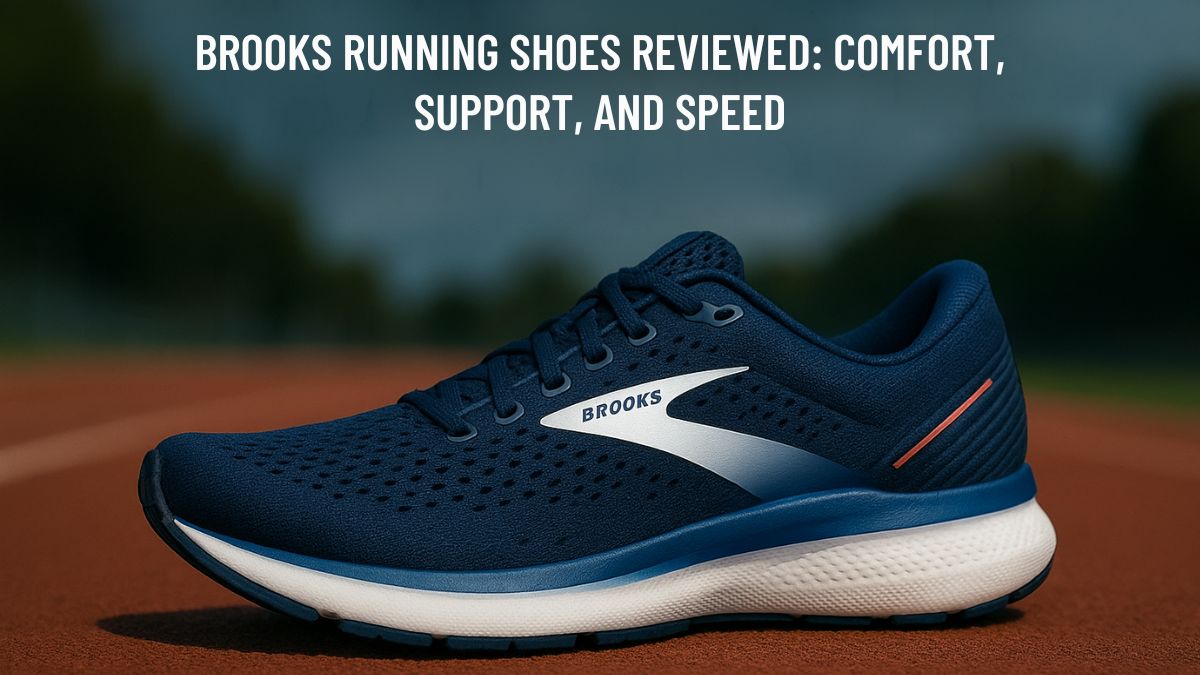 Sports Products2 months ago
Brooks Running Shoes Reviewed: Comfort, Support, and Speed
-
Sports Products2 months ago
Top 10 Best Shoes for Hyrox to Boost Your Race Performance
-
 Sports Products2 months ago
Top 10 Running Shoes of 2025: Comfort, Speed, and Style Combined
-
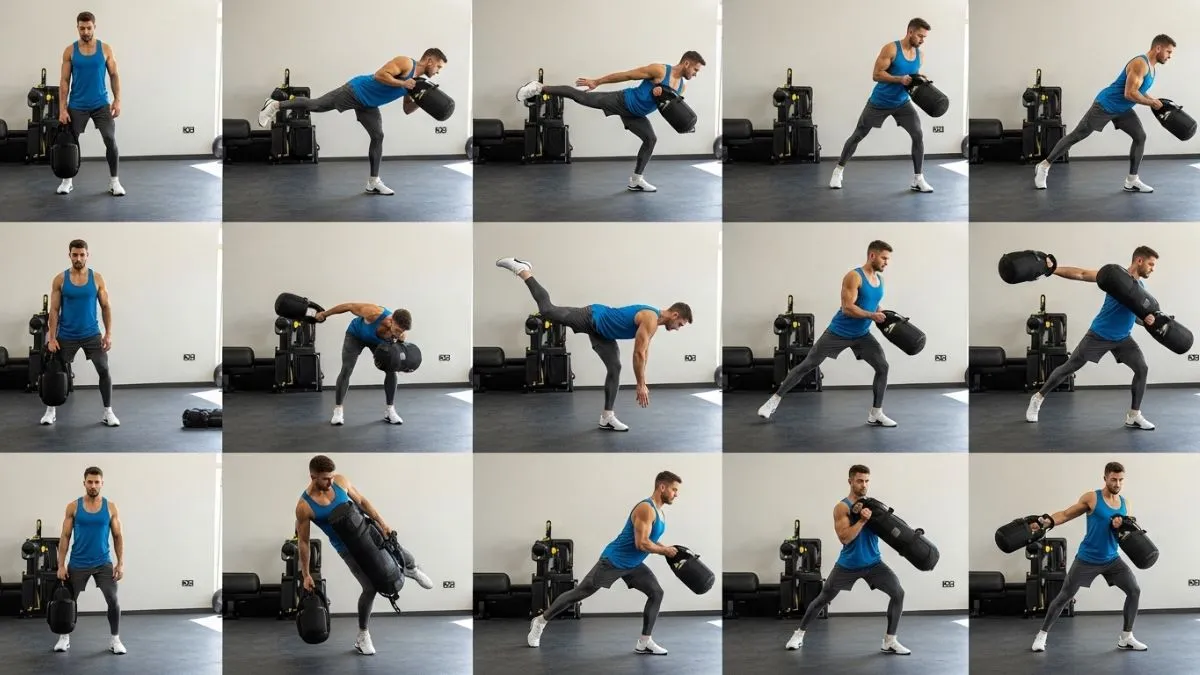 Fitness2 months ago
Best Training Routines for Explosive Sports Legs
-
 Sports Products2 months ago
Why the Nike Hyperko 2 Is the Top Pick for Serious Fighters
-
 Health2 months ago
Post Run Recovery Secrets: How to Heal Faster and Run Stronger
-
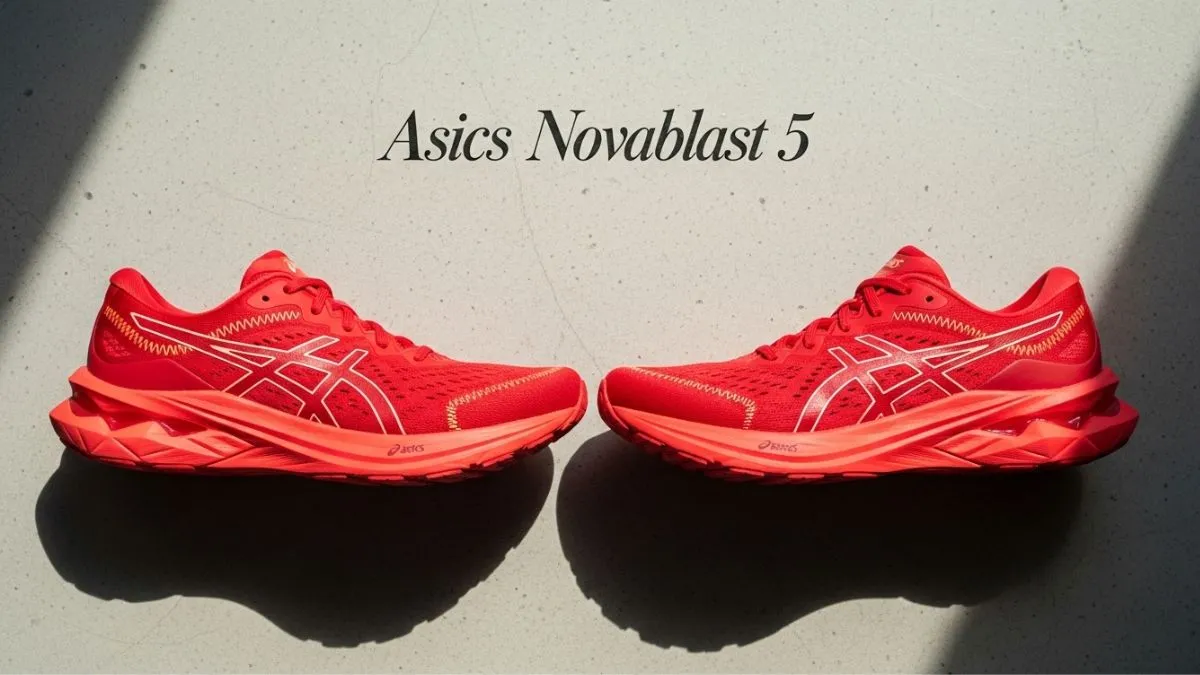 Sports Products2 months ago
Asics Novablast 5 Review: Best Running Shoes 2025