
Fashion
Stylish Hard Bottom Shoes Infants Will Love to Walk In


What Are Hard Bottom Shoes for Infants?
Hard bottom shoes for infants are sturdy footwear designed with firm, non-flexible soles. They protect little feet, provide stability, and support early walking. Unlike soft crib shoes, they’re built for outdoor use and help infants adjust to standing and stepping on solid ground safely.
Key Features of Hard Bottom Shoes
Hard bottom shoes stand out because of their strong, flat soles. They usually have a structured build, padded insides, and secure closures like Velcro or laces. The firm sole keeps feet protected from rough surfaces. Many brands also add arch support and anti-slip patterns for better grip.
Difference Between Hard Bottom and Soft Bottom Shoes
Soft bottom shoes feel more like socks with flexible soles. They’re ideal for babies who aren’t walking yet. Hard bottom shoes, on the other hand, are made for walkers. The main difference is durability and support. Hard soles can handle outdoor play, while soft soles are best indoors or for early crawling.
You Might Also Like: THERUNNINGPOST
When Should Infants Start Wearing Hard Bottom Shoes?
Infants should start wearing hard bottom shoes once they begin walking outdoors. Indoors, barefoot walking or soft shoes help with natural foot development.
Most pediatricians suggest waiting until your child can take steady steps before switching. This usually happens between 12 to 18 months. Choosing the right time ensures comfort, safety, and proper growth without restricting movement.
Why Do Parents Choose Hard Bottom Shoes for Infants?
Parents choose hard bottom shoes for infants because they provide stability, protect delicate feet from outdoor surfaces, and last longer than soft shoes. These shoes are designed to help early walkers maintain balance, reduce slips, and adjust to harder ground safely.
Safety and Stability Benefits
Hard bottom shoes add grip and firmness underfoot. The stiff sole prevents slipping on rough or wet ground. For parents worried about wobbly first steps, this firmness feels reassuring. Many designs also include ankle support, helping infants keep their balance when standing or walking outside.
Durability Compared to Soft Shoes
Soft shoes wear out quickly, especially on outdoor surfaces. Hard bottom shoes, however, handle rough pavements, playgrounds, and daily walks with ease. Their thick soles resist damage and protect little toes from sharp objects. For parents, the longer lifespan means fewer replacements and better value.
Support for Early Walking Stages
Hard bottom shoes support infants by offering firm ground contact that strengthens balance and coordination. When babies first walk, their steps are shaky and uneven. Hard soles keep their posture steady. While barefoot time indoors builds natural strength, hard bottom shoes are the better choice outdoors where stability and safety matter most.
Are Hard Bottom Shoes Good for Infant Foot Development?
Hard bottom shoes are safe for infants once they start walking outdoors, but they shouldn’t replace barefoot time indoors. Pediatricians agree that natural movement strengthens muscles, while hard soles protect on rough ground. The key is balance—using both soft playtime and supportive outdoor shoes.
Expert Opinions from Pediatricians
Pediatricians stress that babies don’t need shoes indoors. Barefoot walking helps build balance and strengthens arches naturally. However, once infants step outside, shoes with firm soles protect against injuries and uneven terrain. Doctors recommend choosing flexible yet firm shoes, avoiding overly stiff designs that can restrict natural movement.
Common Myths About Hard Bottom Shoes
Many parents think hard bottom shoes shape the foot. This is false. Foot development is mostly genetic and influenced by movement, not shoes. Another myth is that hard soles make walking easier. In truth, they don’t speed up walking milestones—they just provide safety once walking begins.
What to Look Out For in Fit and Comfort
The best hard bottom shoes for infants are those that fit snugly without squeezing, have breathable material, and leave space for toes to move.
Comfort matters more than style. Shoes that are too tight can affect circulation, while loose pairs cause tripping. Always check the insole padding, toe room, and closures to ensure both safety and comfort.
Top Stylish Hard Bottom Shoes Infants Will Love
The best hard bottom shoes for infants balance comfort, style, and function. Everyday pairs focus on durability, party wear adds flair, affordable options offer value, and premium designer shoes bring luxury touches. Each type meets different needs while ensuring infants walk with both safety and confidence.
Best Everyday Hard Bottom Shoes
Everyday shoes need to be tough yet breathable. Look for lightweight soles with cushioned padding to keep little feet comfortable during long hours. Neutral colors like beige, navy, or white pair well with most outfits. Velcro closures make them easy to slip on and off during busy mornings.
Trendy Party Wear Shoes
Party wear hard bottom shoes shine with details like bows, shiny finishes, or mini sneakers styled like adult fashion. They’re often made with glossy leather or soft suede and come in vibrant colors. While not for daily use, these shoes give infants a polished look for birthdays, family gatherings, or photoshoots without compromising comfort.
Affordable Yet Stylish Options
Budget-friendly shoes don’t mean sacrificing quality. Many brands offer solid soles, breathable fabric, and trendy styles at reasonable prices. Parents should focus on durability and fit rather than labels. Affordable shoes are perfect for fast-growing feet since infants often outgrow sizes within a few months.
Premium Designer Choices for Infants
Designer hard bottom shoes bring luxury elements like Italian leather, hand-stitched detailing, and exclusive designs. These shoes stand out for their style and craftsmanship. While more expensive, they’re often chosen for special occasions or as keepsakes. Parents who value fashion can see these as both practical and collectible.
How to Choose the Right Pair of Hard Bottom Shoes for Your Infant
The right hard bottom shoes fit well, allow toes to move, use breathable material, and hold up to daily wear. Parents should always prioritize comfort over style. Choosing the right size and durable build ensures infants walk safely without foot strain.
Sizing Tips Every Parent Should Know
Sizing is the most important factor. Shoes should have about half an inch of space at the toes. This extra room helps with growth and movement. Always measure both feet, as one is often slightly larger. Avoid “buying big” since oversized shoes can cause tripping.
Material Choices and Breathability
Breathable fabrics like cotton blends or soft leather keep little feet dry and cool. Poor ventilation can lead to sweat buildup and discomfort. Materials should also be lightweight to avoid tiring the baby’s legs. If buying leather, ensure it’s soft and flexible, not stiff or heavy.
Style vs Comfort: Which Comes First?
“Comfort should always come before style when choosing hard bottom shoes”.
Cute designs might catch the eye, but a poorly fitted shoe can cause blisters or restrict movement. Parents can still find stylish options that don’t compromise comfort. The safest choice is a shoe that combines both, but comfort must be the priority.
Checking Durability Before Buying
Durability matters since infants are active once they start walking. Check soles for grip, stitching for strength, and closures for security. A good pair should handle daily outdoor use without wearing down quickly. Spending a bit more on a well-built shoe often saves money long-term.
Tips for Caring for Infant Hard Bottom Shoes
Caring for infant hard bottom shoes means regular cleaning, proper storage, and knowing when to replace them. Clean shoes last longer, fresh storage prevents odor, and timely replacement keeps feet safe and comfortable.
Cleaning and Maintenance
Shoes pick up dirt quickly outdoors. Wipe hard soles with a damp cloth after each use. For fabric parts, use mild soap and water, avoiding harsh chemicals. Leather shoes should be treated with baby-safe polish. Keeping them clean prevents wear and extends their lifespan.
Storage Tips to Keep Them Fresh
Always store shoes in a dry, cool spot. Avoid leaving them in damp areas, as moisture can cause odor or mold. Stuffing shoes lightly with tissue helps them keep their shape. A breathable shoe bag also works well for protecting them between wears.
How to Know When It’s Time for a New Pair
It’s time for new shoes when toes touch the edge, soles wear down, or closures no longer stay secure. Infants grow fast, so check size and fit every few weeks. Worn shoes can affect balance and comfort, making replacement essential for safety during walking and play.
Final Thoughts
Stylish hard bottom shoes give infants protection outdoors, support during walking, and options that match every occasion. The key is finding pairs that balance comfort, fit, and durability. Parents should focus on safe designs first, then enjoy choosing styles that make their little ones look sharp.
FAQs
What size hard bottom shoes should a 1-year-old wear?
Most 1-year-olds wear sizes 3 to 5 in hard bottom shoes, depending on their foot length.
It’s best to measure both feet, since one may be slightly bigger. Always leave about half an inch of space for growth. Shoe size charts from brands can also help confirm the right fit.
Are hard bottom shoes safe for first walkers?
Yes, hard bottom shoes are safe for first walkers outdoors, but barefoot time indoors is still recommended.
Hard soles protect feet from sharp or rough ground, while barefoot walking builds natural strength. The combination of both ensures safety without interfering with natural foot development.
Can infants wear hard bottom shoes daily?
Infants can wear hard bottom shoes daily outdoors, but indoors it’s better to go barefoot or use soft shoes.
Daily outdoor wear is fine as long as the shoes fit well and are breathable. Indoors, removing shoes gives feet room to strengthen and grow naturally.
What’s better, soft bottom or hard bottom shoes?
Soft bottom shoes are better before walking starts, while hard bottom shoes are better once infants begin walking outdoors.
Soft soles allow crawling, rolling, and standing with flexibility. Once your baby starts walking steadily, hard soles provide the protection and stability needed on tougher surfaces.

Introduction
You want a lab coat that fits right, feels good during long hours, and looks sharp at work. Most buyers ask the same things: Which coat lasts? Which one fits women well and doesn’t feel bulky? Which coat works in hospitals, labs, clinics, or teaching environments without feeling heavy or stiff? A lab coat matters because it protects your clothing, supports professional appearance, and helps you carry what you need without slowing you down. The right one saves time, reduces stress, and helps you feel confident while working. Your choice affects mobility, comfort, and how easy it is to move, bend, or reach for tools.
Many real users ask questions like:
- Which lab coat fabric feels soft but stays strong
- How many pockets are practical
- Which length works best for different roles
- How well the coat handles stains
- Whether a slim or classic fit is better
These are real concerns based on daily use. Medical students, nurses, scientists, pharmacists, and university staff value the practical details more than flashy words. That’s why this guide focuses on real needs and real decision factors. This guide explains the key points that matter before you buy. You’ll see how fit, fabric, pocket layout, closure type, and durability affect your daily comfort. You’ll also learn how different styles suit different jobs. Short coats, mid-length coats, and long styles all serve different purposes. We’ll also point out where data can help.
For example: You can include a small comparison box showing stain resistance percentages, shrinkage rates after washing, or average lifespan based on fabric blend. You can source data from uniform manufacturers, laundry care studies, or workplace testing. A simple infographic works well here. A visual layout showing “Fit, Comfort, Fabric, Pockets, and Care” gives readers a quick map of what matters most.
What Makes a Great Lab Coat for Women
A great lab coat should look sharp, feel comfortable, and work with the demands of your day. It should help you move freely, stay clean, and carry what you need without frustration. Every detail counts, from shape to pocket placement. This section breaks down the features that make a coat worth buying.
Fit
A good fit means the coat doesn’t pull at the shoulders or feel baggy in the arms. It should follow the body without restricting movement. Women often prefer coats shaped for a female frame because unisex coats can look boxy. Short coats suit fast-moving work, while mid and long lengths look more formal. Tailored seams, shaped sides, or slight tapering at the waist can help the coat look polished without being tight.
If possible, trying on a coat before buying helps make the right choice, but size charts are helpful as long as you measure shoulder width, sleeve length, and chest. A useful visual here would be a simple sizing diagram showing where to measure for the best fit. Body measurement charts from uniform retailers can support this with real data.
Fabric Quality
Fabric affects durability, appearance, and how you feel during a shift. Cotton feels soft and breathable. Polyester blends last longer and resist wrinkles more. Stretch blends give more flexibility and help with bending or reaching. Lower-quality fabric can shrink, fade, lose shape, and tear faster. Higher-quality blends cost more at first but usually last longer and need fewer replacements. To support the reader, you could add a comparison table showing typical shrink percentages or tear strength ratings from textile testing labs.
Comfort During Long Shifts
A lab coat should feel good even after hours of non-stop work. This means the fabric should breathe, move well, and stay light on your shoulders. Heavy coats may look formal but can feel tough to wear during constant motion. Stretch fabric helps with reaching shelves, checking samples, and handing tools. Vent slits at the back or sides help with airflow and movement. If a coat doesn’t move with you, it becomes a distraction. Data could be included here showing average comfort ratings from user reviews or workplace surveys.
Cleaning and Care
A lab coat has to survive repeat washing without losing shape. The best materials withstand regular machine washing, chemical exposure, and stain treatment. Cotton may shrink if washed hot, while polyester blends hold up better over time. Some coats include stain-resistant finishes, helping them stay clean longer. Others need pretreatment or specific washing tips. A simple laundry guide can go here with icons for cold wash, low heat drying, or ironing settings. Data examples might include shrinkage percentages after 20 washes or how many cycles the stitching holds before fraying.
Pocket Layout and Storage
Pocket layout matters because your coat doubles as a tool carrier. Good designs include deep hip pockets, at least one chest pocket, and sometimes a pen or badge slot. Some even include phone utility pockets for quick reach. If pockets sit too high or too low, items feel heavy and uncomfortable. A nurse may need space for scissors and gloves, while a research worker may need notebook storage. Job needs decide what layout works best. A helpful visual example could show a simple pocket map comparing common layouts.
Types of Women’s Lab Coats
Women’s lab coats come in several lengths and styles, and each suits different work environments. Choosing the right type depends on movement needs, personal comfort, and workplace dress expectations. This section explains the most common options and what makes each useful.
Short Length
Short lab coats sit around the hip. They’re practical when you need quick movement because they don’t get in the way while walking, sitting, or reaching. Many medical students like this length for the flexibility it gives during rounds or training. Short coats also feel lighter on the body, which is helpful in warm rooms or busy hospitals. They often pair well with scrubs and suits without hiding the entire outfit. A simple image chart comparing coat lengths could fit here, showing how short coats look versus longer styles.
Mid-Length
Mid-length coats fall around mid-thigh and strike a balance between function and professional appearance. They cover more of the uniform than short coats but still allow easy walking and bending. Mid-length coats work well in labs, clinics, and teaching environments because they offer coverage without feeling heavy. Many women choose them when they want a polished look that’s not too formal. You could add a visual guide with silhouettes showing mid-thigh placement for clarity.
Full-Length
Full-length lab coats reach the knee or slightly below. They’re often chosen for formal hospital or research roles where a clean, structured appearance matters. Full coats offer more protection against spills and stains, which is valuable in chemistry or pharmacy work. They can feel heavier than shorter styles, so movement and breathability matter more. Vent slits in the back help prevent tightness while walking or climbing stairs. You could include a data box comparing fabric weight for long coats versus shorter ones in grams per square meter.
Maternity Lab Coats
Maternity options give extra space around the stomach and hips without looking oversized. The shaping allows a cleaner look while still giving room to move. Adjustable ties, stretch panels, or side pleats let the wearer change the fit as needed. These coats help women stay comfortable during shifts without switching to something temporary or unprofessional. A helpful illustration could show where the coat expands and how the shaping adjusts during use.
Stretch Fabric Lab Coats
Stretch fabric coats use blends that allow pulling, bending, and lifting without resistance. The added flexibility reduces shoulder strain and helps the coat move with the body. For roles requiring frequent motion, stretch fabric can prevent stiffness and discomfort over long days.
These coats also feel easier to work in during busy shifts, especially when carrying notebooks, stethoscopes, or lab supplies. A small comparison chart could show fabric stretch percentages or how much extra movement range stretch fabric offers versus non-stretch blends.
Best Lab Coats for Women in 2025
Here are trusted picks for women’s lab coats in 2025, tailored for different needs.
Best Overall Choice
If you want a balance of style, functionality, and durability, the FIGS Modern Fit Women’s Lab Coat is a top pick. FIGS offers a tailored silhouette, breathable fabric, and smart pocket design, making it ideal for long hospital shifts. It’s praised in style roundups for looking like a professional jacket, not just a uniform.
Best Budget Option
The Dickies Women’s 37″ Twill Lab Coat (Model 82401) is affordable and practical. It uses a durable cotton-blended fabric, has three roomy pockets, and holds up well over frequent wash cycles. Reviewers note it gives excellent value for daily use.
Best Premium Choice
For a luxury feel, try the Medelita Ellody Lab Coat. It’s cut like a blazer with tailored seams and upscale fabric. According to reviews, it feels like a designer piece but still performs for real medical work.
Best for Medical Students
Medical students often need lightweight, affordable, but reliable coats. The Cherokee Women’s Lab Coat (28″ Consultation style) suits them well. It’s light, has stretch, and offers deep pockets for stethoscopes and notebooks.
Best for Scientists
Scientists working in labs need full-length protection and strong fabric. A tailored coat like the Dr. James DR5 Women’s Lab Coat fits the bill. It’s made from 65% polyester / 35% cotton, has a pre-shrunk fabric, and has thoughtful seam work for freedom of movement.
Best for Plus Size
Not all lab coats fit curvier figures well, and that’s a real issue:
“Straight-cut lab coats leave you swimming in fabric … the extra fabric is hot, heavy, and uncomfortable.”
Look for plus-size or extended-size coats with contouring or princess seams to avoid that. Brands like Refine Professional Apparel offer sizes like 2XS–5XL with tailored cuts that still feel professional.
Best for Hot Work Environments
If your workspace is warm like a teaching lab or hospital ward pick a lightweight coat such as the FIGS Modern Fit or the Cherokee 28″ version. Both use breathable, low-weight fabric that helps you stay cool under pressure.
Best for Cold Work Environments
Cold labs or temperature-controlled facilities call for a heavier coat. Something like the Landau Women’s Classic Lab Coat works well it has a thicker fabric and a structured fit that gives better warmth without bulk.
How to Choose the Right Size
Picking the right size matters because a lab coat should feel good, look sharp, and not hold you back at work. The fit affects how you move, how you look in front of patients, and how long the coat lasts. This section breaks down simple ways to pick the right size without frustration.
Size Charts
Most brands list size charts with chest, waist, hip, and sleeve measurements. These measurements guide you more accurately than guessing based on clothing size alone. The small effort of measuring saves headaches later. Use a flexible measuring tape and measure over the clothing you’ll normally wear under the coat. If you fall between two sizes, go one size up for comfort. A simple size table graphic would work well here, showing measurement points on a body outline.
Trying On Before Buying
Trying a coat on helps you know how it will move with you. It should not pull at the shoulders when you reach forward or raise your arms. It should not feel loose to the point of looking oversized. Move as you would during work. Reach for a shelf, bend slightly, and tuck your hands into pockets. These small movements show whether the fit helps or restricts. A short photo series could go here showing correct and incorrect fit on shoulders and sleeves.
Adjustments and Tailoring Tips
Small tailoring changes can turn a good coat into a great one. Hemming sleeves, adding darts, or tapering the sides sharpens the look without changing comfort. These adjustments cost less than replacing a coat entirely. If a coat pulls at the back, small back vents can help. If the coat feels loose, tightening the waist seams helps it look fitted without reducing movement. A simple diagram could show common tailoring areas marked on a lab coat outline.
Must-Have Features Women Look For
A lab coat isn’t just a piece of uniform it’s part of your daily toolkit. The right features make your work easier, help you move freely, and keep you looking professional. This section highlights the features women most often check before buying.
Fabric Stretch
Stretch in the fabric allows you to bend, reach, and lift without feeling restricted. Coats with even 3–5% elastane make a noticeable difference during long shifts. Stretch also prevents the coat from pulling at seams, keeping it looking sharp.
Lightweight Feel
A lightweight coat reduces shoulder and back fatigue. Heavier fabrics can feel bulky, especially when you’re moving constantly or carrying tools in pockets. Lightweight blends keep you cooler in warm rooms and make long shifts more comfortable.
Moisture Control
Lab coats that wick sweat or resist moisture help you stay dry and comfortable. Cotton-poly blends and breathable fabrics prevent overheating, especially in busy labs or hospital corridors. Moisture control also helps coats stay cleaner for longer.
Easy Movement
Coats designed for movement have vents, pleats, or stretch panels. These features let you bend, squat, and reach without pulling at seams. Easy movement reduces frustration and fatigue, especially in labs or clinical settings where motion is constant.
Snap or Button Closure
Closures affect how fast you can put on or remove the coat and how secure it feels. Snaps are quick and convenient, while buttons look more traditional and stay in place longer. Choosing the right closure depends on workflow and personal preference.
Strength of Stitching
Strong stitching prevents tears, fraying, and seam failure. Double-stitching at stress points like shoulders, pockets, and cuffs ensures durability. A coat with weak stitching can fail after a few washes or heavy use.
Best Materials for Women’s Lab Coats
The material of a lab coat affects comfort, durability, and ease of care. Choosing the right fabric depends on your work environment, climate, and how much movement you need. This section breaks down the most common materials women prefer and why they matter.
Cotton
Cotton feels soft and breathable, making it ideal for long shifts in hospitals or labs. It keeps you cooler than synthetic fabrics but wrinkles more easily. Cotton also absorbs moisture, which can be a benefit in cooler environments but a drawback in hot areas.
Polyester-Cotton Blends
Polyester-cotton blends combine softness with durability. The polyester prevents excessive wrinkling, improves color retention, and reduces shrinkage. These blends hold up better to frequent washing and last longer in heavy-use environments.
Stretch Blends
Stretch blends contain a small percentage of elastane or spandex, allowing the coat to move with you. They’re perfect for active roles where bending, lifting, or reaching is frequent. Stretch fabrics also help the coat keep its shape and prevent seam pulling.
Stain-Resistant Fabrics
Stain-resistant fabrics are treated to repel liquids like coffee, ink, or chemicals. They help maintain a clean, professional look and reduce frequent washing. Many healthcare workers prefer these fabrics because they save time and keep coats looking fresh.
Style Choices Women Prefer
Style affects how professional you look and how confident you feel on the job. Women often choose lab coats not just for function, but for appearance and ease of movement. This section covers popular style choices and what makes each one practical.
Slim Fit
Slim-fit coats follow the body’s natural lines without being tight. They offer a clean, polished look and reduce excess fabric that can get in the way. Many women prefer this style for hospital rounds or teaching, where appearance matters as much as function.
Classic Fit
Classic-fit lab coats provide a relaxed shape with a straight cut. They allow plenty of room for movement and layering over scrubs or shirts. This style suits long shifts and active work, as it doesn’t restrict motion or feel tight.
Tailored Fit
Tailored coats are shaped at the waist and shoulders for a more structured look. They combine professional appearance with comfort, making them suitable for client-facing or laboratory roles. Tailoring can reduce the need for additional accessories to adjust the coat’s look.
Modern Minimal Styles
Modern minimal styles focus on clean lines and simplicity. They often feature hidden buttons, minimal stitching, and subtle pockets. This style works well for women who want a sleek, professional look without extra bulk or decorative elements.
Best Lab Coats for Different Work Environments
Not every lab coat works in every workplace. The right coat depends on the environment, tasks, and movement needed. This section shows which types fit specific work settings so women can choose wisely.
Hospitals
Hospital work needs coats that are lightweight, breathable, and easy to clean. Pockets should hold pens, scissors, and a badge. Mid-length or short styles work best for nurses and doctors on the move.
Pharma Labs
Pharma labs require protection from spills and chemicals. Full-length coats with durable, stain-resistant fabrics are ideal. Stretch panels help when reaching for shelves or handling samples.
Research Centres
Researchers need coats that balance protection and comfort during long hours. Lightweight but strong fabrics prevent overheating while keeping spills off clothing. Multiple pockets for notebooks, tablets, and tools are essential.
Academic Settings
Teachers or lab assistants in academic environments often move between classrooms and labs. Mid-length coats with flexible fabrics provide comfort, mobility, and a professional look. Breathable materials prevent overheating during long lectures or demonstrations.
Veterinary Clinics
Vet clinics involve animal handling and exposure to fluids. Coats with stain-resistant and easy-to-clean fabrics are critical. A slightly looser fit allows bending, lifting, and quick movement around animals.
Beauty and Cosmetic Fields
Cosmetic and spa professionals need lab coats that look clean, stylish, and lightweight. Short or mid-length coats allow freedom of movement for treatments. Soft, breathable fabrics prevent discomfort during long client sessions.
How to Care for Women’s Lab Coats
A lab coat looks professional only if it’s clean and well-maintained. Proper care extends its life and keeps it comfortable. This section explains practical ways to wash, dry, and maintain your coat without hassle.
Washing Tips
Wash lab coats regularly to remove stains, sweat, and chemicals. Use cold or warm water for colored coats and hot water for whites. Avoid harsh detergents that break down fabric fibers.
Drying Tips
Air-drying is best for most coats to prevent shrinking. If using a dryer, choose a low-heat setting. Remove the coat while slightly damp to reduce wrinkles and make ironing easier.
Ironing
Iron on a medium heat setting for cotton or polyester blends. Stretch fabrics may not need ironing if hung immediately after drying. Focus on collars, cuffs, and front panels for a crisp, professional look.
Keeping Whites Bright
Whites can yellow over time. Use mild bleach or oxygen-based whiteners occasionally. Washing whites separately prevents color transfer from darker coats.
Stain Removal Tips
Act quickly when stains happen. Blot liquids, treat with stain remover, and wash according to fabric instructions. Avoid scrubbing harshly, which can damage fibers.
Common Mistakes When Buying Lab Coats
Buying a lab coat may seem simple, but small mistakes can affect comfort, functionality, and longevity. Many women pick the wrong coat without realizing the impact on daily work. This section highlights common pitfalls and how to avoid them.
Buying Wrong Size
Choosing the wrong size is the most common mistake. A coat that’s too tight restricts movement, while an oversized one looks sloppy and can get in the way. Always check size charts and, if possible, try on before buying.
Not Checking Pocket Needs
Failing to consider pocket placement and size leads to frustration. Small or shallow pockets can’t hold tools, notebooks, or devices securely. Match pocket layout to your daily workflow for convenience.
Ignoring Fabric Weight
Some buyers pick fabrics without considering daily wear conditions. Heavy fabrics can be uncomfortable in warm environments, while very light fabrics may wear out quickly. Balance weight, breathability, and durability for your specific job.
Choosing Style Over Comfort
Many women prioritize looks over functionality. A fashionable coat may restrict movement or cause overheating during long shifts. Always test for fit, mobility, and comfort before focusing on style.
Overlooking Cleaning Requirements
Some fabrics are harder to clean, shrink, or fade quickly. Ignoring care instructions can shorten coat lifespan and affect appearance. Check washing, drying, and stain resistance before buying.
Where to Buy Women’s Lab Coats
Finding the right place to buy a lab coat saves time, ensures quality, and helps you get the best fit. Women have several options depending on convenience, budget, and availability. This section guides you through the most common buying sources.
Online Stores
Online stores offer a wide range of brands, sizes, and styles. Sites like FIGS, Medelita, Cherokee, and Amazon let you compare features, read user reviews, and check detailed size charts. Shipping and return policies make it easy to exchange if the fit isn’t perfect.
Medical Supply Shops
Local medical supply stores stock popular lab coat brands and allow you to feel fabrics before buying. You can try different lengths, fabrics, and styles to see what works best for your body type and workflow.
Local Uniform Stores
Uniform shops often carry basic lab coats at reasonable prices. They may offer tailoring services or adjustments for a better fit. These stores are convenient if you need a coat immediately without waiting for shipping.
Student Discounts and Deals
Students often have access to discounts through universities, medical programs, or brand promotions. Checking student portals or brand websites can save money on premium lab coats. Some programs also offer bundle deals including scrubs, coats, and lab accessories.
Final Thoughts
Choosing the right lab coat isn’t just about looks—it affects your comfort, confidence, and daily performance. The right fit, fabric, and features make a long shift easier and keep you looking professional. Investing time in picking the right coat pays off every day. A well-chosen coat moves with you, holds your tools, and lasts longer through frequent washing. Considering length, style, material, and pocket layout ensures the coat meets both your work demands and personal comfort needs.
FAQs
How long should a women’s lab coat be?
A women’s lab coat should ideally fall between mid-thigh and just below the knee, depending on your workplace needs. Short coats give more mobility, while longer coats offer better protection. Mid-length is often the best balance for hospitals and labs. Longer coats suit research or chemical labs for extra coverage. Shorter styles work well for clinical or teaching settings. Choosing the right length depends on comfort, movement, and the tasks you perform daily.
Should lab coats be fitted or loose?
Lab coats should be comfortably fitted, not tight or overly loose. A good fit allows freedom of movement and maintains a professional look. Overly loose coats can get in the way, while tight ones restrict arms and shoulders. Look for designs with slight shaping or stretch fabric. This provides structure without sacrificing mobility. Trying on different fits is the easiest way to know what works for your body.
How many lab coats does a student need?
Most medical or science students need at least 2–3 lab coats. Having multiple coats ensures you always have a clean one ready and allows rotation during long semesters. One coat can be for labs, another for clinical rounds, and a third as a backup. Extra coats also help if stains or wear occur unexpectedly.
What fabrics last the longest?
Polyester-cotton blends and heavier twill fabrics typically last the longest. They resist shrinking, wrinkling, and frequent washing better than pure cotton. Stretch blends last well if quality stitching is used. Durable fabrics save money over time and maintain a professional appearance. Checking fabric care instructions ensures you preserve longevity.
How often should lab coats be washed?
Lab coats should be washed at least once a week for daily use. If you work with chemicals, bodily fluids, or in a busy hospital, washing after each shift may be necessary. Using the right water temperature and detergent prevents shrinking and keeps fabrics looking new. Frequent washing is essential for hygiene and professional appearance.
Are women’s and unisex coats different?
Yes, women’s lab coats are designed with shaping for the bust, waist, and hips. Unisex coats are straighter and may feel boxy on women. Women’s coats often have shorter sleeves and tailored cuts for a better fit. Choosing a women’s coat improves mobility and comfort while maintaining a polished appearance. Fit, length, and pocket placement are usually better suited for female bodies.
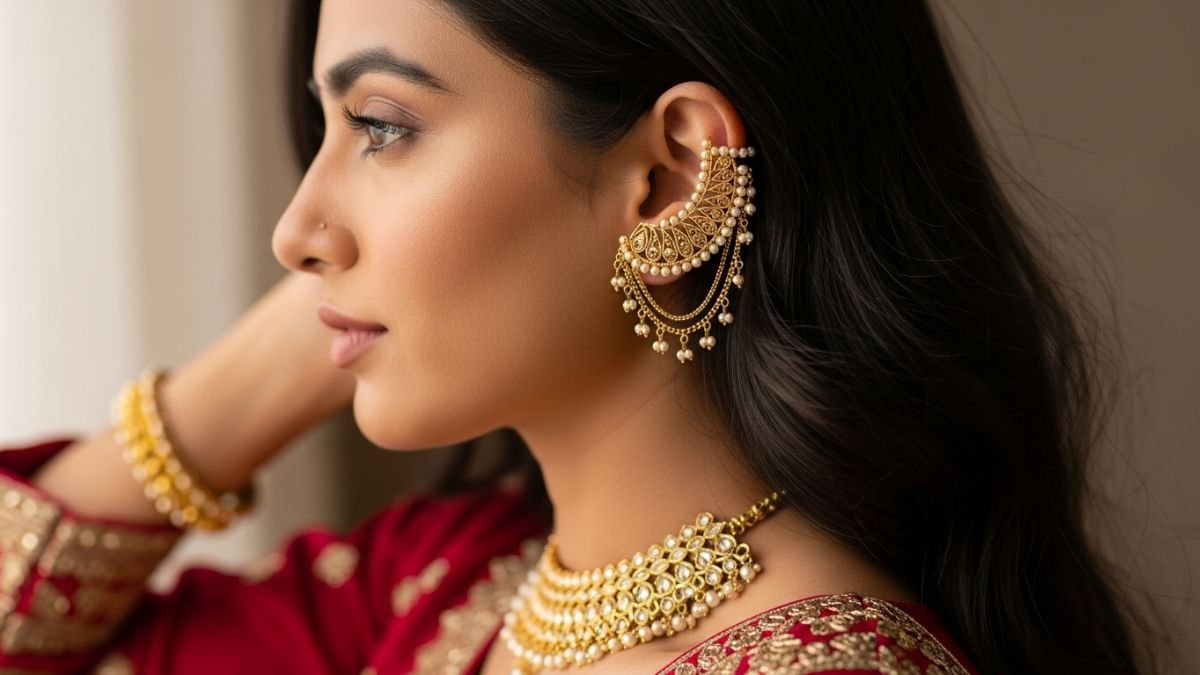
Traditional ear cuffs have become one of the most admired forms of jewelry across the world, blending centuries-old craftsmanship with contemporary fashion sensibilities. Unlike regular earrings, these cuffs sit beautifully along the curve of the ear without needing multiple piercings, making them an inclusive accessory for women of all ages. From tribal artisans crafting intricate metalwork to modern designers experimenting with gemstones and cultural motifs, ear cuffs have evolved while staying rooted in tradition.
Today, they are not just ornaments but reflections of identity, heritage, personal style, and artistic expression. Whether worn for weddings, festivals, cultural ceremonies, or as a statement everyday piece, traditional ear cuffs continue to grow in popularity. This article offers a detailed, engaging, and comprehensive journey into their history, symbolism, design forms, modern influence, craftsmanship, and enduring charm in global fashion.
The Historical Significance of Traditional Ear Cuffs
Traditional ear cuffs carry a rich legacy stretching back thousands of years, long before modern earrings took shape. Archaeological findings reveal that ancient civilizations including India, Egypt, Greece, and Southeast Asia—used ear ornaments to symbolize status, protection, spiritual connection, and cultural identity. In royal courts, ear cuffs were often worn by nobility, warriors, and spiritual leaders who believed that ear adornments channeled strength, positive energy, and divine blessings.
In India, for example, ear jewelry formed an integral part of classical dance attire and bridal ensembles, symbolizing prosperity and elegance. Many of these early cuffs were handcrafted using metals like gold and silver, with patterns reflecting regional heritage. Today, wearing a traditional ear cuff not only continues this historical lineage but also reconnects individuals with cultural narratives that span generations.
Why Traditional Ear Cuffs Are Still Popular Today
Despite the rise of modern jewelry forms, traditional ear cuffs remain extremely popular due to their aesthetic versatility and cultural roots. One of the biggest reasons for their continued appeal is that they do not require piercing, making them suitable for people who want to wear ornamental ear jewelry without committing to permanent holes. Their unique structure allows them to wrap around the ear comfortably, creating a distinctive look that stands out in both ethnic and contemporary outfits.
In addition, the growing interest in artisanal fashion, handmade jewelry, and cultural accessories has inspired many individuals to revisit heritage pieces that express personal identity. As sustainable and meaningful fashion becomes a major trend worldwide, traditional ear cuffs have re-emerged as timeless classics that effortlessly blend the past and present.
Traditional Designs and Craftsmanship
The craftsmanship behind traditional ear cuffs is one of the features that make them so special. Many pieces are still made using age-old techniques such as hand carving, gemstone setting, wire twisting, and metal molding. Artisans often draw inspiration from local folklore, spiritual symbols, and nature, leading to designs that feature motifs such as peacocks, lotus flowers, vines, leaves, geometric shapes, and deities.
In regions like Rajasthan or South India, gold ear cuffs demonstrate elaborate detailing with filigree work and precious stones, while tribal communities often use oxidized silver and bold engravings that reflect raw aesthetics. Every cuff tells a story from the artisan’s skill to the cultural tale woven into the pattern. Even when modern machinery is used, traditional methods often remain at the heart of production, preserving authenticity and craftsmanship passed down through generations.
Materials Used in Traditional Ear Cuffs
Traditional ear cuffs are designed using materials that vary by region, cultural style, and intended purpose. Gold has always been one of the most celebrated metals in traditional jewelry due to its association with prosperity, divinity, and marital symbolism. Silver, on the other hand, has been widely used in tribal and rural communities due to its affordability and cultural significance.
Gemstones such as emeralds, rubies, pearls, turquoise, and kundan stones often embellish ear cuffs, with each stone carrying symbolic value pearls for purity, rubies for passion, emeralds for wisdom, and turquoise for protection. In modern interpretations, artisanal designers may also incorporate materials like leather, wood, mother-of-pearl, enamel, or gold plating. These diverse material choices allow wearers to select cuffs that match their personal style, preferences, and outfit choices without compromising on cultural elegance.
Cultural Significance Across Regions
Traditional ear cuffs mean different things in different parts of the world, showcasing how jewelry can reflect cultural uniqueness and shared heritage. In India, ear cuffs are often associated with classical dances like Bharatanatyam and Odissi, where they complete the head-to-toe ensemble of temple dancers. Bridal traditions also incorporate these cuffs as symbols of prosperity and beauty, especially in states where heavy jewelry is viewed as an essential part of wedding attire.
In Southeast Asian cultures, ear cuffs were historically worn by both men and women to denote position, bravery, and tribal belonging. Ancient Egyptians believed ear adornments protected the wearer from negative energy, while in Greek and Roman traditions, elaborate ear ornaments signaled nobility. Although today they are primarily fashion accessories, these deep-rooted cultural meanings add emotional and historical value that modern jewelry cannot always replicate.
How Traditional Ear Cuffs Complement Modern Fashion
One of the reasons traditional ear cuffs have made a strong comeback is their incredible compatibility with contemporary clothing styles. A single statement cuff can elevate a minimalist outfit, while delicate cuffs pair perfectly with business casual attire or everyday clothing. The mix of traditional design elements with modern silhouettes creates a unique balance that appeals to today’s fashion-forward audience.
For brides and wedding guests, these cuffs enhance lehengas, sarees, and anarkali outfits without requiring multiple piercings. At the same time, pairing a tribal-style oxidized cuff with jeans and a kurta or a fusion dress creates a bold Indo-western look that blends heritage with individuality. Social media platforms and celebrity influencers have also highlighted ear cuffs in photoshoots and runway events, inspiring more people to experiment with traditional jewelry in innovative ways.
The No-Piercing Advantage
One of the greatest benefits of traditional ear cuffs and a major reason for their rising popularity is that they do not require piercing. Many individuals may avoid ear piercings due to personal preference, discomfort, or skin sensitivity, yet still want the ability to wear stylish ear jewelry. Ear cuffs cater perfectly to this audience by offering a secure, visually stunning alternative. They clip or wrap around the curve of the ear, creating the illusion of multiple piercings without any permanent change.
Even for people with pierced ears, cuffs can help create a layered look without additional holes. This has made traditional ear cuffs particularly popular among fashion lovers, teenage wearers, and those looking to experiment with their appearance without commitment. The no-piercing design has also expanded the global appeal of ear cuffs beyond traditional communities.
Versatility in Styling
Traditional ear cuffs are among the most versatile pieces of jewelry, offering countless styling possibilities for various occasions. For festive events like Diwali, Eid, and Navratri, stone-studded cuffs with gold or silver tones beautifully enhance traditional attire. For office gatherings or semi-formal events, simpler designs provide sophistication without being overly bold. Brides love pairing elaborate temple-style cuffs with ornate headpieces and necklaces, completing an elegant symmetrical look.
Meanwhile, minimalist gemstone cuffs make excellent daily wear pieces that add personality without appearing flashy. The ability to choose between delicate, bold, tribal, modern, or intricate designs ensures that ear cuffs remain suitable for every aesthetic preference. Few jewelry items provide such a wide spectrum of styling flexibility, making ear cuffs an evergreen favorite in jewelry boxes.
Symbolism and Emotional Value
Jewelry is often more than an accessory it holds memories, symbolism, and emotional stories that make each piece deeply personal. Traditional ear cuffs, especially those gifted from family members or purchased for special occasions, can carry sentimental value that lasts a lifetime. For brides, these cuffs may symbolize the blessings of a new beginning, while for dancers they represent mastery, dedication, and artistic expression.
Many families pass down ear cuffs through generations, allowing cultural heritage to live on through wearable heirlooms. Handmade cuffs crafted by local artisans also carry the emotional weight of human effort, skill, and tradition, creating a connection between the wearer and the creator. Whether worn for spiritual reasons, personal growth, or celebration, the emotional significance of traditional ear cuffs is part of what makes them treasured.
Influence of Traditional Ear Cuffs in Global Fashion
As the world becomes more open to cultural blending and artisanal appreciation, traditional ear cuffs have made a strong impact on international fashion. Designers from Europe, America, and the Middle East are now incorporating ethnic motifs, handcrafted metals, and gemstone detailing inspired by South Asian and tribal traditions. Fashion magazines frequently feature models wearing bold cuffs with contemporary gowns, turning them into statement pieces at red carpet events.
The rising global demand for handcrafted and sustainable jewelry has also allowed traditional artisans to gain greater visibility, bringing ancient crafts to world markets. This global integration has not only revived interest in heritage jewelry but also elevated traditional ear cuffs from cultural ornaments to respected fashion icons.
Traditional Ear Cuffs as Collectible Jewelry
With their aesthetic richness, unique crafting styles, and cultural stories, traditional ear cuffs make excellent collectible items for jewelry enthusiasts. Just like antique necklaces, bracelets, and nose pins, ear cuffs crafted decades ago hold strong historical character that collectors value. Some cuffs are made using techniques now considered rare, making them precious artifacts of traditional craftsmanship.
Modern designers are also creating limited-edition cuffs that may gain value over time due to their exclusivity and artisanal excellence. Collecting these cuffs becomes more than shopping; it becomes a form of cultural preservation. For many people, building a collection of traditional ear cuffs is not just about fashion, but about curating heritage in wearable form.
Choosing the Right Traditional Ear Cuff
Selecting the perfect ear cuff involves balancing personal taste, comfort, outfit style, and practicality. For those who prefer understated elegance, slim cuffs with single gemstone highlights may be ideal. Individuals who enjoy bold jewelry can explore temple-style or tribal cuffs with intricate engraving. Wedding shoppers often lean toward elaborate gold or kundan cuffs that complement bridal makeup and hairstyles. Comfort should always be considered, as ear cuffs must fit securely without causing discomfort.
Lightweight designs are excellent for long wear, while heavier pieces are ideal for short, high-impact appearances. Skin tone can also influence metal choice while gold flatters warmer tones, oxidized silver and platinum finishes complement cooler tones beautifully. Choosing the right cuff ensures not only visual impact but also long-term wearability.
How to Wear Traditional Ear Cuffs Comfortably
Wearing ear cuffs may be new for some, but a few simple techniques ensure comfort and security. The cuff should be positioned on the thicker part of the ear cartilage for stability. Gently rotating the cuff and sliding it upward helps achieve the correct alignment. If the cuff feels too loose, soft adjustments can improve the grip without damaging the metal.
Conversely, if the cuff is too tight, minor reshaping or choosing a slightly larger piece prevents discomfort. Avoiding heavy cuffs for extended hours ensures that the ear does not become strained. For first-time wearers, practicing with smaller and lighter cuffs helps build confidence before transitioning to larger statement designs. Wearing them correctly enhances comfort while ensuring the cuff remains securely in place.
Caring for Traditional Ear Cuffs
Proper care helps maintain the beauty, shine, and durability of traditional ear cuffs for many years. Gold pieces should be stored separately in soft pouches to avoid scratches, while silver and oxidized cuffs benefit from occasional polishing with anti-tarnish cloths. Gemstone-studded pieces should not be exposed to perfumes, lotions, or harsh chemicals, as these can affect their brilliance or loosen the setting.
When not in use, jewelry boxes with individual compartments prevent metals from rubbing against each other. Regular cleaning with mild soap and water helps remove oils and dust that accumulate during wear. With proper care, traditional ear cuffs remain stunning and preserve their heritage value across generations.
The Emotional Connection to Handmade Jewelry
Many people prefer handmade traditional ear cuffs because they represent more than mass-produced accessories they reflect the heart and soul of the artisan who made them. Each hammer mark, engraving line, and carefully set stone showcases hours of dedication and skill. Supporting handmade jewelry also helps sustain the livelihoods of traditional craftsmen who rely on age-old methods passed down through families.
In a world of fast fashion and factory manufacturing, owning a handcrafted ear cuff brings a sense of authenticity and human connection that machine-made pieces cannot replicate. This emotional connection enhances the joy of wearing traditional jewelry while preserving cultural craftsmanship for future generations.
The Growing Demand for Sustainable Jewelry
As sustainable and ethical fashion becomes more important among buyers, traditional ear cuffs are gaining recognition for their eco-friendly characteristics. Many artisans prioritize using recyclable materials such as silver and gold, reducing environmental impact compared to industrial jewelry production. Handcrafted pieces also avoid the waste and pollution associated with factory manufacturing, aligning with the principles of slow fashion.
In addition, purchasing artisan-crafted cuffs supports local economies, encourages cultural preservation, and reduces reliance on mass-market jewelry. Consumers seeking meaningful, long-lasting accessories increasingly turn to traditional ear cuffs that offer timeless design while respecting environmental consciousness.
Conclusion
Traditional ear cuffs represent a rare blend of history, artistry, personal expression, and cultural preservation. They carry the weight of centuries-old traditions while remaining timeless enough to complement modern fashion and global trends. Their no-piercing advantage, versatile styling options, rich symbolism, and handcrafted beauty make them treasured jewelry pieces for women around the world.
Whether worn for a wedding, cultural festival, stage performance, or everyday elegance, these cuffs add personality and charm that few accessories can rival. As interest in sustainable fashion, heritage craftsmanship, and artisanal jewelry continues to rise, traditional ear cuffs will remain not only relevant but celebrated. They are more than ornaments; they are living stories stories worn, cherished, and passed from one generation to the next, preserving culture through beauty and craftsmanship.
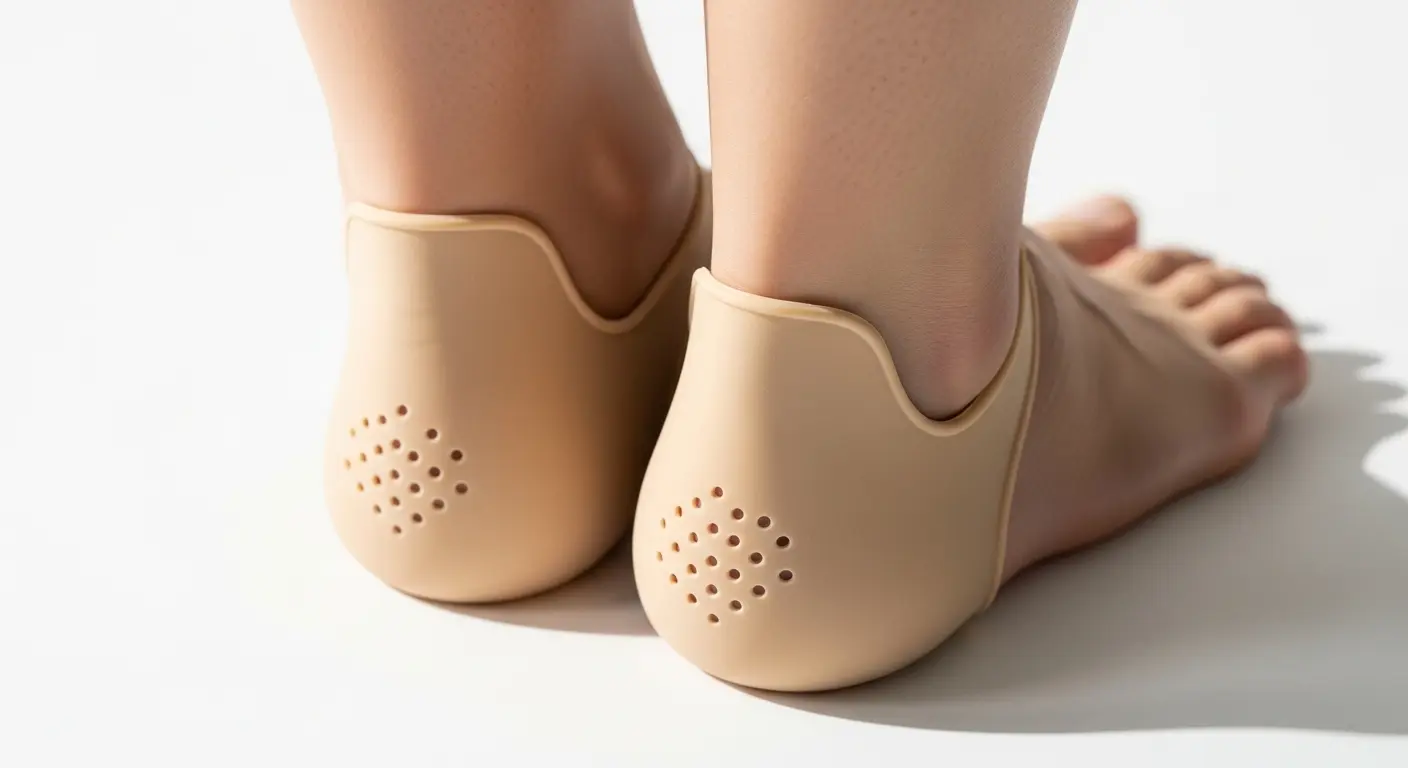
Heel protectors are small shoe accessories that reduce foot pain, prevent blisters, and protect heels from wear. Yes, they really work by adding cushioning and stopping shoes from slipping. They’re worth buying if you want more comfort, longer-lasting shoes, and less damage to heels.
Many people wonder if heel protectors are just another gimmick. The truth is, they solve everyday problems that almost every shoe wearer faces. From sore feet after long walks to expensive heels ruined by cracked pavements, heel protectors quietly save both comfort and money. This guide explains how.
What Are Heel Protectors?
Definition and Simple Explanation
Heel protectors are shoe inserts or covers designed to reduce pressure on the heel, stop slipping, and protect shoes from damage. They come in forms like gel cushions, silicone pads, and outdoor heel stoppers.
In simple terms, heel protectors act like armor and padding for your shoes and feet. They add a soft layer inside the shoe, or a sturdy cap outside, to prevent pain and extend shoe life.
Everyday Uses for Heel Protectors
Heel protectors are mainly used for comfort, shoe care, and foot support. People wear them to reduce pain, prevent blisters, and stop heels from wearing down.
Office workers use them daily in formal shoes. High heel wearers rely on them during weddings, parties, and outdoor events. Athletes and people with foot pain also use orthopedic versions for medical relief.
You Might Also Like: TheRunningPost
Why Heel Protectors Are Important
Heel protectors are important because they reduce heel pain, protect shoes from damage, and support better foot health over time. They work by cushioning pressure, preventing shoe wear, and stabilizing heels on different surfaces. Without them, both shoes and feet face more stress, discomfort, and faster wear.
Heel protectors matter to anyone who values both comfort and durability. They prevent small problems, like blisters and scuffs, from becoming bigger issues. They also save money in the long run by extending the life of shoes.
Preventing Heel Pain and Discomfort
Heel protectors prevent pain by adding cushioning that reduces pressure on the heel and absorbs shock while walking or standing.
People who stand for long hours, like teachers or retail workers, feel less strain when using heel protectors. They also help those with high arches or flat feet by evening out pressure across the heel.
Protecting Shoes from Wear and Tear
Heel protectors protect shoes by preventing scuffing, cracking, and uneven wear on the heel area.
Shoes wear down most at the heel because it hits the ground first. A protector shields that spot, keeping shoes looking new for longer. This is especially useful for expensive high heels and leather shoes.
Supporting Long-Term Foot Health
Heel protectors support long-term foot health by reducing pressure on joints, preventing blisters, and improving stability while walking.
Constant heel strain can cause conditions like plantar fasciitis or Achilles pain. By using heel protectors, you add a simple layer of defense against these common foot problems. It’s a small accessory with long-lasting health benefits.
Types of Heel Protectors
There are five main types of heel protectors:
gel cushions, silicone pads, fabric or foam liners, high heel stoppers, and orthopedic versions. Each serves a different purpose, from reducing pain to protecting shoes. Knowing the right type helps you pick the one that matches your comfort, style, or medical needs.
Heel protectors aren’t all the same. Some are soft and cushiony, others tough and built for outdoor wear. A few even target medical conditions. Below are the most common types explained.
Gel Heel Cushions
Gel heel cushions reduce heel pressure by absorbing shock and providing extra padding inside shoes.
They’re popular for daily use because they feel soft and flexible. People wear them in sneakers, flats, and even formal shoes to reduce foot fatigue. They’re also affordable and widely available in drugstores and online shops.
Silicone Heel Pads
Silicone heel pads protect the heel by creating a soft but firm layer that stays in place and resists wear.
Unlike gel cushions, silicone pads are denser and last longer. They’re especially useful for people with heel pain or those who walk on hard surfaces. They also prevent slipping inside shoes, making them practical for both men and women.
Fabric and Foam Heel Liners
Fabric and foam heel liners stop heel slippage, reduce friction, and protect against blisters inside shoes.
They’re thin and lightweight, often used in dress shoes or heels that feel too loose. Many people also add them to stop rubbing at the back of the foot. They’re not as durable as silicone or gel but great for quick comfort fixes.
High Heel Stoppers (for outdoor use)
High heel stoppers keep heels from sinking into grass, gravel, or uneven ground by widening the base of the heel.
They’re clear or discreet caps that slip over thin stiletto heels. People often use them at weddings, outdoor parties, and events where heels can easily get damaged. They also help prevent cracks and scratches on heel tips.
Orthopedic Heel Protectors
Orthopedic heel protectors relieve pressure for people with medical conditions like plantar fasciitis, heel spurs, or diabetes.
They’re usually made of medical-grade silicone or foam. Doctors recommend them for people who need extra cushioning and alignment support. While they look less stylish, they focus on health benefits and long-term comfort.
Heel Protectors for Comfort
Heel protectors provide comfort by reducing pressure on the heel, adding cushioning for walking, and making shoes more wearable during long hours. They’re designed to soften impact, prevent soreness, and give support where shoes alone fall short. The right protector can turn painful shoes into all-day wearables.
Comfort is the main reason most people buy heel protectors. Whether you’re walking, standing, or sitting at a desk all day, heel protectors help reduce stress on your feet. Here’s how they work in different situations.
How They Reduce Pressure
Heel protectors reduce pressure by spreading body weight evenly across the heel, instead of allowing it to concentrate on one painful spot.
This prevents sharp pain that comes from hard surfaces or thin shoe soles. The cushioning absorbs shock, making every step feel softer and easier on your joints.
Cushioning for Daily Walking
Heel protectors provide cushioning that reduces fatigue from walking long distances or standing for extended hours.
They create a soft landing for each step, which is especially helpful on concrete or hard floors. People who walk to work or spend hours on their feet often notice less soreness by the end of the day.
Best Options for Work and Office Shoes
The best heel protectors for work shoes are gel cushions and silicone pads because they provide lasting support without making shoes feel tight.
These types fit easily into formal shoes, loafers, and pumps. They add comfort for people sitting at desks and those moving around the office. They’re discreet, affordable, and easy to replace when worn out.
Heel Protectors for Style
Heel protectors add style by keeping shoes in better condition, preventing scuffs, and protecting delicate heels during events. They don’t just reduce pain, they also help shoes look new for longer. By using the right protector, you keep footwear polished, professional, and ready for any occasion.
Style isn’t only about design; it’s also about maintenance. Heel protectors play a hidden but vital role in making shoes last while keeping them visually appealing. Here’s how they protect style.
Preventing Shoe Scuffs and Damage
Heel protectors prevent scuffs by adding a protective layer that shields the heel surface from scratches, chips, and cracks.
Shoes naturally hit curbs, pavements, and rough ground. Without protection, heels show wear quickly. With protectors, they stay polished, meaning fewer trips to the cobbler and longer life for your favorite pairs.
Keeping High Heels in Good Shape
Heel protectors help high heels maintain their shape by reducing wear at the tip and preventing uneven balance.
Thin heels wear down faster and lose stability. Protectors act like small shields, preventing early replacement. For those who wear heels often, this adds both durability and a sharper, more professional appearance.
Clear Heel Stoppers for Outdoor Events
Clear heel stoppers keep heels from sinking into grass, sand, or gravel while staying discreet and nearly invisible.
They’re especially popular at weddings, garden parties, and outdoor events. They add stability without drawing attention, making them the go-to choice for anyone who wants to keep style intact while walking on tricky surfaces.
Heel Protectors for Durability
Heel protectors improve durability by extending shoe life, cutting repair costs, and delaying damage to the heel area. They act as a shield against wear from daily use, meaning your shoes stay stronger for longer. Replacing a small protector is far cheaper than replacing or repairing expensive footwear.
Durability is where heel protectors quietly pay for themselves. By stopping damage before it starts, they extend the value of every pair of shoes you own.
Extending the Life of Shoes
Heel protectors extend shoe life by preventing early wear on heel tips and keeping soles balanced.
When heels wear unevenly, shoes tilt and lose stability. Protectors create a barrier that slows down this process, making your favorite pair last months, sometimes years, longer than unprotected shoes.
Cost Savings Over Time
Heel protectors save money by reducing the need for frequent shoe repairs and replacements.
Spending a few dollars on protectors often prevents costly trips to cobblers. For high-end heels or leather shoes, this small investment pays off quickly. It’s a budget-friendly way to keep a shoe collection in better shape.
When to Replace Heel Protectors
Heel protectors should be replaced when they flatten, lose grip, or show visible cracks that no longer shield the heel.
Most last several months, depending on use. Regular replacement keeps protection consistent. Waiting too long risks exposing the shoe’s heel, undoing the benefits of having protectors in the first place.
How to Choose the Best Heel Protectors
The best heel protectors are chosen based on material quality, proper fit, comfort needs, and overall value for money. Good protectors should feel secure, last long, and match both style and budget. Picking the right type depends on whether you need them for pain relief, shoe care, or outdoor use.
Choosing wisely ensures you don’t waste money on protectors that don’t work for your shoes or lifestyle. Below are the main points to check before buying.
Material Quality
High-quality heel protectors are made from durable silicone, gel, or medical-grade foam that resists wear and provides consistent support.
Cheaper plastic versions crack quickly and lose effectiveness. Good material not only lasts longer but also feels better against the skin, making daily use more comfortable.
Fit and Size Options
Heel protectors work best when they match shoe size and shape, fitting snugly without slipping.
Many protectors come in multiple sizes or adjustable designs. A proper fit ensures they stay in place while walking, preventing the annoyance of shifting inside the shoe.
Comfort vs Aesthetic Needs
Comfort-focused protectors offer more cushioning, while style-focused versions keep shoes looking neat without bulk.
For everyday wear, gel and silicone cushions work best. For events or heels, clear heel stoppers protect shoes without drawing attention. The right choice depends on whether you value invisible support or maximum softness.
Price vs Value
The best choice balances cost with durability, offering longer use at a fair price.
Spending a bit more on high-quality protectors often saves money by avoiding repeated replacements. Value comes not just from price but from how well they protect shoes and prevent pain.
Common Problems Heel Protectors Solve
Heel protectors solve problems like shoe slippage, painful blisters, heels sinking into soft ground, and worn-down heel tips. These issues affect comfort, style, and shoe durability. By adding protection, cushioning, or stability, heel protectors fix problems before they turn into costly repairs or long-term foot pain.
These small accessories target the most frustrating shoe issues. Here’s how they work in real-life situations.
Heel Slippage Inside Shoes
Heel protectors stop shoes from slipping by adding grip and reducing extra space at the back of the heel.
Loose shoes cause rubbing and instability. Fabric liners and foam protectors keep heels snug inside shoes, making walking smoother and preventing shoes from slipping off.
Blisters and Skin Irritation
Heel protectors prevent blisters by reducing friction between the shoe and skin.
Soft materials like gel or foam act as a barrier, absorbing rubbing that normally causes irritation. This makes new shoes more comfortable and protects skin during long hours of wear.
Heels Sinking into Grass or Pavement
Heel protectors prevent high heels from sinking into soft ground by widening the base of the heel.
Clear stoppers fit over thin heels, spreading weight across a larger area. They’re especially useful for weddings, outdoor parties, and events on grass or gravel.
Worn-Down Heel Tips
Heel protectors reduce damage to heel tips by covering them with a durable layer.
Walking wears heel tips faster than any other shoe part. Protectors keep them from cracking or flattening, delaying costly repairs and extending shoe life.
Tips for Using Heel Protectors Correctly
Heel protectors work best when placed properly, cleaned regularly, and paired with other supportive foot products. Correct use ensures maximum comfort, longer-lasting protectors, and better shoe care. Small adjustments in how you wear and maintain them make a big difference in both comfort and durability.
Using heel protectors isn’t complicated, but a few tips can improve their effectiveness. Here’s how to get the most out of them.
Proper Placement in Shoes
Heel protectors must sit firmly at the back or base of the shoe to stop slipping and provide proper cushioning.
If placed incorrectly, they won’t absorb shock or prevent rubbing. Always follow the placement guide—liners at the back, gel pads under the heel, and stoppers outside on heel tips.
Cleaning and Maintenance
Heel protectors should be cleaned with mild soap and water to remove dirt, sweat, and dust.
Regular cleaning keeps them hygienic and extends their lifespan. Silicone and gel protectors should be air-dried, while fabric liners may need replacement more often if they wear thin.
Pairing with Other Foot Care Products
Heel protectors pair well with insoles, arch supports, and anti-blister sprays for complete foot comfort.
Combining products creates extra cushioning and stability, especially for people with foot pain or long daily walking routines. They don’t interfere with most shoe accessories and work best when used together for targeted support.
Where to Buy Quality Heel Protectors
Quality heel protectors can be purchased online, in shoe repair shops, and at pharmacies or orthopedic stores. Each source offers different benefits, from variety and convenience online to expert advice in physical stores. Choosing the right place depends on whether you value selection, guidance, or quick access.
Knowing where to buy ensures you don’t waste money on low-quality products. Here’s where you can reliably find them.
Online Stores and Marketplaces
Online marketplaces like Amazon, eBay, and specialty shoe websites offer the widest range of heel protectors.
They provide multiple styles, customer reviews, and competitive pricing. Online shopping makes it easy to compare options, but the downside is waiting for delivery. It’s the best choice for variety and budget-friendly options.
Shoe Repair Shops
Shoe repair shops sell durable heel protectors and often install them professionally.
They may not have as wide a selection as online stores, but they focus on quality products that extend shoe life. Many cobblers also recommend the best type for your specific shoe style.
Pharmacies and Orthopedic Shops
Pharmacies and orthopedic stores carry medical-grade heel protectors designed for comfort and foot health.
These options are often recommended by doctors and focus on pain relief and support. While they may look less stylish, they’re perfect for people dealing with foot conditions like plantar fasciitis or heel spurs.
Real User Experiences and Reviews
Users often report less heel pain, longer shoe life, and more comfort at events after using heel protectors. High heel wearers praise them for outdoor stability, while everyday users highlight cost savings from reduced shoe repairs. Real stories show how these small tools make a noticeable difference.
Comfort Benefits Shared by Users
Many users highlight reduced heel pressure, fewer blisters, and better shoe fit after using protectors.
Office workers often mention being able to stand or walk for longer without pain. Runners and walkers say gel and silicone pads help absorb shock, keeping feet fresh throughout the day.
Stories from High Heel Wearers
High heel users praise protectors for preventing heels from sinking into grass and stopping scuff marks.
Wedding guests often mention clear heel stoppers as lifesavers during outdoor ceremonies. Many women also note that heel liners help stop slipping, which makes walking in stilettos more stable and secure.
Long-Term Shoe Care Insights
Users who wear protectors consistently report shoes lasting longer and needing fewer repairs.
Leather heels stay free of scratches, and rubber heel tips don’t wear down as quickly. Some customers mention saving money because they visit cobblers less often, proving protectors pay for themselves over time.
Final Thoughts
Heel protectors are a small but effective solution for foot comfort, shoe style, and long-term durability. They reduce pain, prevent wear, and keep shoes looking their best. Whether you walk daily in flats or attend events in heels, choosing the right protector makes every step easier and smarter.
Heel protectors aren’t just accessories—they’re practical tools that solve real problems. From easing daily discomfort to stopping heels from sinking outdoors, they cover both comfort and style. Long-term users even see clear savings because their shoes last longer with fewer repairs.
When shopping, focus on material, fit, and purpose. Gel and silicone work best for comfort. Clear stoppers protect heels at weddings and parties. Foam liners and orthopedic options handle medical and stability needs. Matching the right type to your lifestyle ensures better results.
Adding protectors to your routine is simple. They slide in, stick on, or fit over shoes without effort. Cleaning them keeps them fresh, and replacing them when worn ensures continuous benefits. This is a small investment that pays off daily.
-
 Fitness5 months ago
Why New Balance Running Shoes Are the Perfect Fit for Your Feet
-
 Health5 months ago
Post Run Recovery Secrets: How to Heal Faster and Run Stronger
-
 Sports Products5 months ago
Asics Novablast 5 Review: Best Running Shoes 2025
-
 Sports Products5 months ago
Top 10 Running Shoes of 2025: Comfort, Speed, and Style Combined
-
 Sports Products5 months ago
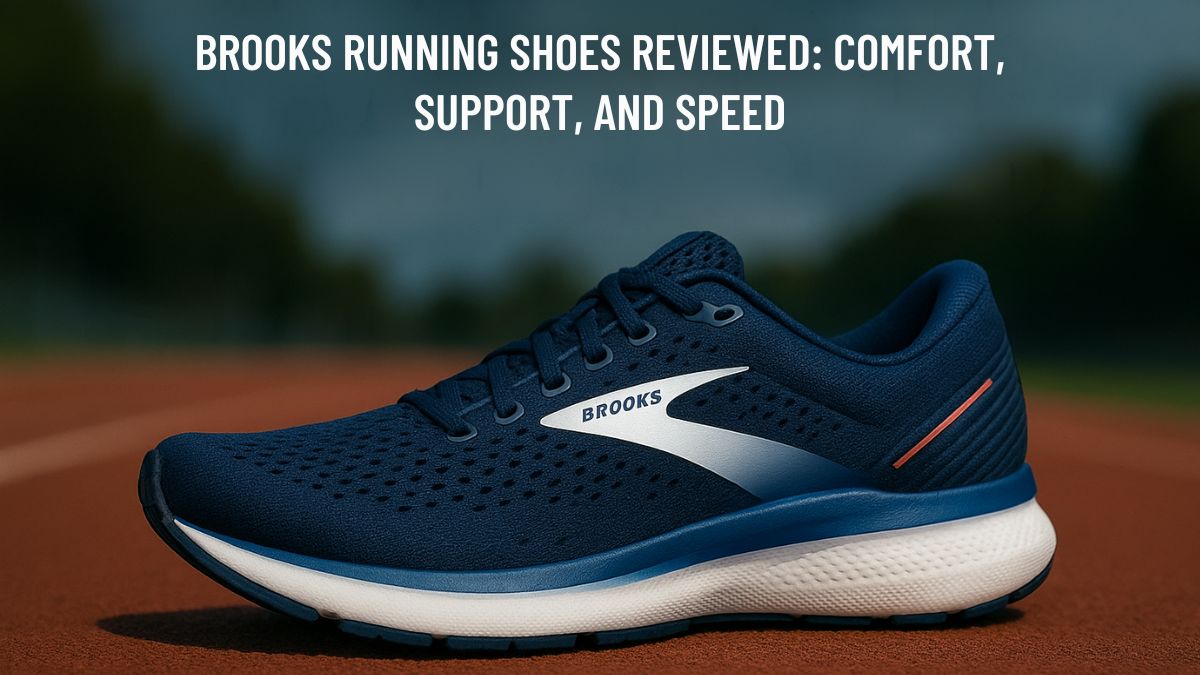
Brooks Running Shoes Reviewed: Comfort, Support, and Speed
-
 Sport5 months ago
10K to Miles: Complete Guide to Running Distance Conversion
-
 Sports Products5 months ago
Top 10 Best Shoes for Hyrox to Boost Your Race Performance
-
 Sports Products5 months ago
Why the Nike Hyperko 2 Is the Top Pick for Serious Fighters