
Health
Post Run Recovery Secrets: How to Heal Faster and Run Stronger

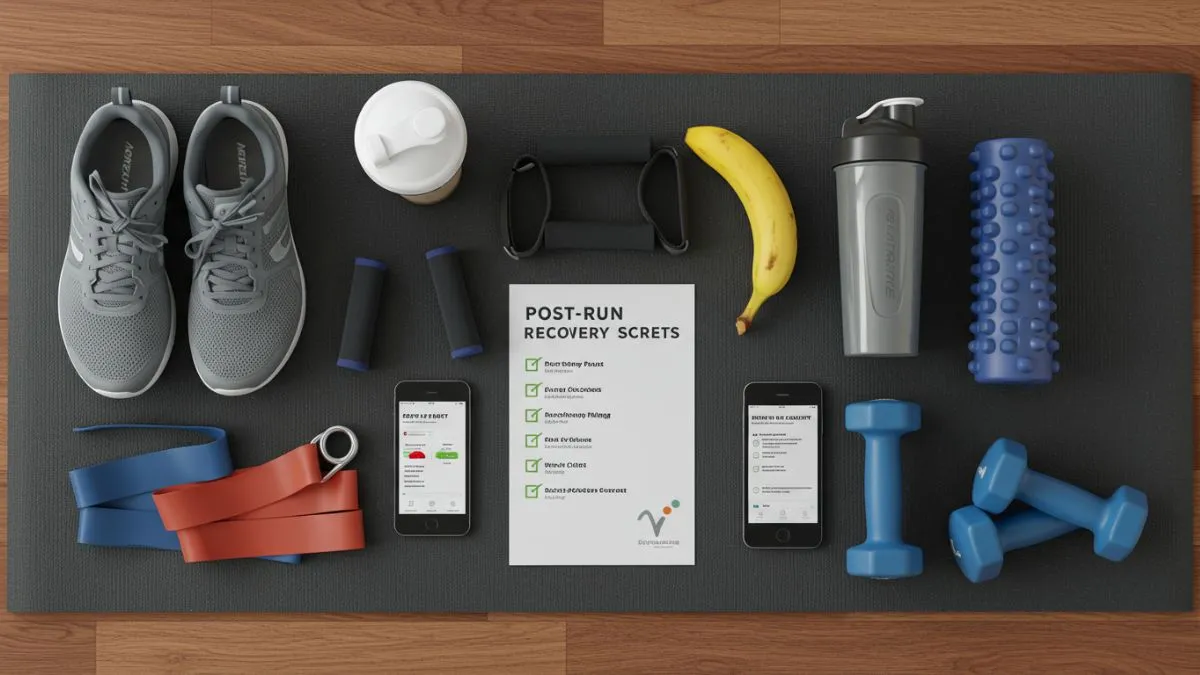
Running doesn’t stop when you do. Your body’s just getting started with the part that actually matters—recovery. Most runners don’t ask for advice before they run. They start asking when the soreness kicks in and walking downstairs becomes a chore. So let’s get right to it.
Real Questions Runners Ask After a Run
Why do my legs feel sore hours later?
Your legs feel sore later because of microtears in the muscle tissue. These tears happen from the impact and load during your run, and the soreness—also called DOMS—sets in after a few hours. It’s your body’s way of repairing and adapting to stress.
That dull ache in your thighs or calves? It’s common, especially after speed work or long runs. It usually peaks around 24–48 hours after the workout. DOMS (Delayed Onset Muscle Soreness) isn’t a sign that you did something wrong. It’s normal. But how you treat it will decide how ready you are for your next run.
Should I eat right after running or wait?
You should eat within 30–60 minutes after running. This is when your muscles absorb nutrients best, helping you recover faster and reduce fatigue. Aim for a mix of protein and carbs.
Think of it as “recharging your battery.” If you miss this window, you’ll feel drained later—even if you don’t notice it right away. A banana and peanut butter, chocolate milk, eggs on toast—anything that combines fast carbs with protein will help restock glycogen and start muscle repair.
Do I really need to stretch every time?
Yes. Light stretching after a run helps reduce tightness and keeps your muscles flexible. It’s not about preventing injury immediately, but about staying mobile and running better over time.
You don’t need a yoga mat and 45 minutes. Five minutes of hamstring, quad, and calf stretches can make a big difference. Skipping stretching once won’t ruin you. Skipping it all the time? That’s when problems creep in. Tight hips, limited stride, and nagging pain—most of it builds up quietly.
How can I recover faster without expensive gear?
You can recover faster using just water, food, sleep, and movement. Tools help, but they’re not essential. The basics do more than the gadgets.
Don’t buy a $300 massage gun if you’re not sleeping enough or eating poorly. You can use a tennis ball, a frozen water bottle, or your own bodyweight for most recovery techniques. Drink water. Eat real food. Walk the day after a hard run. Stretch a little. Sleep 7–9 hours. These don’t cost you a cent, and they work.
Anecdote: I once trained for a half-marathon using nothing but a foam roller and cold showers for recovery. I beat my PR by 6 minutes.
What’s Happening to Your Body After a Run?
Microtears, inflammation, and muscle fatigue
Running causes tiny muscle tears, builds up inflammation, and drains your energy stores. This is normal. It’s how your body gets stronger—if you let it recover.
Every time your foot hits the ground, your muscles absorb impact. That stress causes microtears—especially in your quads, calves, and hamstrings. In response, your body sends blood to the area, which triggers swelling and inflammation. That’s not a bad thing. It’s just part of the repair process.
But here’s the catch: if you run again before those fibers heal, you’re layering damage on top of damage. That’s how fatigue sticks around, or worse, injuries happen.
What Users Say’s about The Running Post
“Thanks for sharing this on TheRunningPost! I’ve been running regularly for a year but still find recovery a huge challenge after longer runs. I also delay foam rolling because of the pain, but now I realize I’m not alone. I’d be curious to see a follow-up post with tips on how to make early recovery more bearable—maybe some gentle alternatives to foam rolling?” by (Mautause).
Why skipping recovery sets you back
Skipping recovery keeps your muscles in a constant state of stress. Instead of adapting, they break down—and your performance stalls.
If your legs always feel heavy or slow, it’s not your fitness. It’s poor recovery. Every run is a stress signal. Recovery is the reply. Without the reply, your body gets confused—and eventually, it stops progressing.
You’ll notice things like slower pace, mood dips, higher resting heart rate, or even disrupted sleep. These are all signs your recovery is falling short.
Anecdote: A 10K runner I trained with once plateaued for 3 months. Turned out, she hadn’t taken a proper rest day in over 6 weeks. Two full rest days and a sleep schedule later? She dropped her time by 90 seconds.
The 24-hour window that matters most
Your first 24 hours after a run decide how strong you feel on your next one. What you eat, drink, and how you rest during this time matters more than any recovery tool.
Right after a run, your body is more responsive to help. Muscles are primed to absorb protein. Cells are ready to refill energy stores. Stretching feels better. Circulation is up. If you wait too long, that window closes and healing slows down. Think of it like patching a roof. Do it while the sun’s out, and it’s easy. Wait until the rain hits again, and now you’ve got a problem.
12 Simple Habits That Speed Up Recovery
Drink water before anything else
Water replaces what you lost through sweat. If you don’t rehydrate, your muscles stay tight, your heart works harder, and recovery takes longer.
Before you reach for food or supplements, grab a glass of water. Even mild dehydration delays healing and increases soreness. Aim for plain water, not sugary drinks.
Eat protein and carbs within 30 minutes
Your body absorbs nutrients best right after your run. Protein repairs muscle. Carbs refill your energy. Don’t skip this.
This isn’t about giant meals. A simple snack like yogurt and fruit, or a boiled egg with toast, gets the job done. It primes your body to recover well.
Use gentle stretching instead of skipping it
Stretching helps release tightness and keep your muscles moving well. It’s not about flexibility—it’s about staying loose.
Stick to static stretches after your run. Focus on hamstrings, quads, calves, and hip flexors. Don’t push hard. The goal isn’t to become bendy. Just keep things from locking up.
Foam rolling (cheap and effective)
Foam rolling increases blood flow, breaks up tight spots, and helps muscles recover faster—without spending much.
You don’t need fancy moves. Roll slowly over your quads, IT bands, calves, and glutes. Pause on sore spots, breathe through it. A few minutes can make your legs feel fresh again.
Sleep like your race depends on it
Sleep is the best recovery tool you have. Muscle repair, hormone balance, and energy rebuild happen while you’re out cold.
Aim for 7–9 hours. If you’re training hard, you may need more. No app, powder, or massage gun can make up for poor sleep.
Use compression gear if soreness lingers
Compression gear helps blood flow and may ease soreness, especially after longer runs. It’s not magic—but it helps.
Try socks or sleeves after intense workouts or races. Wear them for a few hours, especially while resting or walking around.
Active rest beats total rest
Movement helps flush soreness out faster than sitting still. Walk, stretch, or do light mobility work.
You’re not aiming for effort—just circulation. The worst thing you can do after a hard run is nothing at all. Think gentle, not lazy.
Cold showers or baths: do they help?
Cold water reduces inflammation and dulls soreness. It’s not essential—but many runners swear by it.
If you feel extra sore or swollen, try a 5–10 minute cold rinse or ice bath. Don’t overdo it. And don’t skip sleep or food thinking this replaces them.
Magnesium and salt for cramps
Cramps often come from lost electrolytes. Magnesium, sodium, and potassium help bring muscles back into balance.
You don’t always need supplements. Bananas, leafy greens, nuts, and a pinch of salt in your water can help. If cramps are common, check your diet first.
Lay off the alcohol after running
Alcohol slows muscle repair, dehydrates you, and interrupts sleep. Not worth it after a hard workout.
One drink might not ruin you. But several? They delay everything your body’s trying to do right. Save it for your rest day—after you’ve recovered.
Cross-train on recovery days
Cross-training keeps you fit without overloading the same muscles. It helps your body stay fresh.
Think swimming, cycling, yoga, or walking. These don’t hit the joints or strain your legs the same way running does. But they keep your blood flowing and heart rate moving.
Don’t ignore your shoes
Old or worn-out shoes mess with your form and increase soreness. They’re a silent recovery killer.
Check your soles. If they’re uneven or smooth, it’s time to switch. Rotate pairs if you run often. Your legs absorb less shock with good shoes, which means faster recovery.
When Should You Rest—and When Should You Run Again?
Listen to your legs, not just your calendar
You should rest when your legs feel heavy, tight, or unresponsive—even if your schedule says “run.” Your body doesn’t care what the calendar says.
Training plans help, but they don’t know how you feel. If your legs aren’t bouncing back or your heart rate stays high during easy runs, take a day off. Rest isn’t weakness—it’s strategy.
Anecdote: One runner I knew followed her 12-week plan to the letter. She skipped rest days even when sore. By week 8, she was benched with shin splints. All that progress? Wasted.
Warning signs of poor recovery
If you’re always sore, unusually tired, or losing motivation, your body’s not keeping up. These are signs to back off.
Other red flags: bad sleep, mood swings, slow pace on easy runs, or catching colds often. These signs mean your body’s working too hard to repair itself. Add rest, not more miles.
How often to run if you’re training seriously
Most serious runners train 4–6 days a week, but they rotate intensity and allow for full rest or recovery days.
You don’t need to run every day to get better. In fact, the fastest runners often rest more strategically than beginners. Quality beats quantity. Easy runs, long runs, and rest days should balance each other out.
Tools That Actually Help (and Ones That Don’t)
Foam rollers, massage guns, and lacrosse balls
Foam rollers, massage guns, and lacrosse balls all help loosen tight muscles and improve circulation—if you use them right. But they’re not miracle fixes.
These tools can reduce soreness and improve mobility, especially after tough runs. But they don’t replace food, sleep, or time. If you’re using them instead of resting, you’re doing it wrong. Use them with recovery, not instead of it.
Elevation and legs-up-the-wall trick
Putting your legs up after a run helps blood flow return, reduces swelling, and feels good—no gear needed.
This trick is free, simple, and useful—especially after long runs. Just lie down, legs straight up against a wall for 10–15 minutes. It helps drain fluid from your legs and lowers heart rate quicker.
Anecdote: I started doing this after long Sunday runs. It became a ritual—felt weird at first, but after two weeks I noticed less swelling and faster bounce-back.
Are supplements necessary?
Supplements aren’t required for recovery. Most runners get what they need from food, sleep, and hydration. Use them only if you’ve got gaps in your diet.
Protein powders, magnesium, or electrolyte drinks can help—but they’re extras. Not everyone needs them. If your meals are balanced and you’re recovering well, don’t overthink it.
Sample Post-Run Recovery Routine You Can Follow Today
You don’t need an expensive plan—just timing, fuel, and smart movement. Recovery starts the moment you stop running. Follow this four-part routine to reduce soreness, protect your muscles, and bounce back stronger for your next session.
0–10 minutes after a run
Walk, breathe, and hydrate—don’t just collapse.
Your body’s still in high gear. Slow to a walk for 5 minutes, then do light stretching to help flush out lactic acid. Drink water or an electrolyte drink to start replacing what you lost. This small window sets the tone for your recovery.
30–90 minutes post-run
Eat real food—especially carbs and protein.
This is your refueling window. Aim for a 3:1 ratio of carbs to protein (like rice and chicken or a smoothie with banana and whey). This helps muscle repair and restocks glycogen stores. Avoid processed junk—it slows the recovery process.
Evening wind-down for deeper recovery
Stretch, elevate, and sleep well.
Use a foam roller or massage ball before bed to release tight spots. Try the legs-up-the-wall pose for 10 minutes to boost circulation. Then unplug early—deep sleep is when muscles rebuild. No screen time, no caffeine..
Next day low-impact movement
Don’t be a statue—move, gently.
Even on a rest day, keep blood flowing. Go for a light walk, an easy bike ride, or do yoga. This reduces stiffness and keeps your legs fresh. If you’re limping or still wiped out, skip it and rest fully.
Include These Recovery Foods in Your Rotation
What you eat after a run matters as much as the run itself. The right foods rebuild muscle, reduce inflammation, and refill your tank. From breakfast to bedtime, fueling smart can cut recovery time in half and leave you feeling stronger, not sore.
Best post-run breakfast
Refuel with protein, carbs, and color.
Try scrambled eggs with avocado toast and berries, or oatmeal with almond butter and banana. You want muscle-repairing protein and energy-restoring carbs, plus antioxidants from fruit to fight inflammation. Skip sugary cereals—they spike then crash your energy.
Midday snacks that work
Smart snacks keep the recovery going.
Greek yogurt with honey, cottage cheese and pineapple, or a handful of trail mix deliver protein, healthy fats, and nutrients. Avoid chips or protein bars with long ingredient lists—they often slow digestion and offer little real value.
Meals that reduce soreness
Think lean, anti-inflammatory, and colorful.
Salmon with quinoa and roasted vegetables is a gold standard. Chicken stir-fry with greens and turmeric rice is another. Aim for whole foods rich in omega-3s, antioxidants, and complex carbs. The brighter your plate, the better your recovery.
Drinks that help (and ones that don’t)
Hydration speeds healing—if you drink the right stuff.
Water is essential, but low-sugar electrolyte drinks or coconut water help too. Tart cherry juice or turmeric lattes can reduce muscle soreness. Avoid soda, too much coffee, and alcohol—they dehydrate and disrupt sleep, both recovery killers.
Extra Tips for Long-Distance or Marathon Runners
Running longer distances demands smarter recovery. You can’t just wing it. Long runs create deeper muscle breakdown, stress your nervous system, and tax your immune response. Structured recovery—before and after races—can be the difference between a personal best and burnout.
Don’t treat every run the same
The longer the run, the more intentional your recovery should be.
Easy 5K? Light stretch and hydration might do. But a 20-miler? That requires carbs within 30 minutes, serious rest, and soft tissue work. Understand your mileage and effort level so your recovery matches the stress you’ve placed on your body.
Why recovery needs planning, not guessing
Hope isn’t a strategy—especially in marathon prep.
Map out your recovery like you map your training: schedule rest days, know your fueling needs, and keep track of soreness and sleep. Recovery isn’t passive—it’s a performance tool. Use logs, checklists, and post-run routines to stay on track.
Tapering and recovery after races
Taper smart, recover smarter.
Don’t wait until race day to think about healing. Tapering reduces training load gradually to allow your body to store energy and repair. Post-race, expect 1–2 weeks of easy movement, sleep focus, and nutrient-rich meals. You’ve earned the rest—take it seriously.
How to Know Your Recovery Plan Is Working
Your body gives feedback—learn to listen.
A good recovery plan leaves you energized, not exhausted. If your runs feel smoother, soreness fades faster, and injuries decrease, your system is working. When you wake up feeling ready instead of wrecked, you’re recovering right.
Your resting heart rate is steady
Use your pulse as a reliable recovery gauge.
Track your resting heart rate each morning. If it stays stable or drops slightly, your body is adapting well. A sudden spike could mean you’re overtraining or under-recovering. Use apps or smartwatches for easy daily tracking.
You don’t dread your next run
Recovery builds excitement, not burnout.
Mental fatigue is a red flag. If your recovery is on track, you’ll look forward to training. But if each session feels like a chore, your body may be asking for more rest or better fueling.
You’re seeing gains, not injuries
Progress equals smart recovery.
Noticeable improvements in pace, endurance, or reduced soreness are signs your body is absorbing the training load. Frequent small injuries or lingering stiffness indicate recovery gaps that need fixing.
Your sleep and mood improve
Restoration shows up in the little things.
Quality sleep, better focus, and an upbeat mood are often overlooked markers of proper recovery. If you’re snappy or struggling to sleep, it could be time to adjust your post-run habits.
Where to Use Data
Study: Protein intake and muscle repair
Cite science to support protein timing.
Refer to peer-reviewed studies showing how 20–30 grams of protein within 30 minutes post-run can significantly enhance muscle recovery. Link to sources like the Journal of the International Society of Sports Nutrition or PubMed to validate your content.
Stat: Percentage of runners who skip recovery
Hook readers with a revealing stat.
Open with a stat like “Nearly 60% of amateur runners admit they skip structured recovery” (Runner’s World survey, 2023). Use this to emphasize why the article matters and to immediately connect with the reader’s likely habits.
Quote from sports medicine expert
Add credibility through voice.
Include a quote from a certified expert, such as:
“Recovery isn’t optional—it’s training in disguise.”
Dr. Lisa Hartman, Sports Medicine Specialist
A direct quote adds human authority and breaks up your article visually.
Link to muscle soreness recovery time chart
Visualize what recovery looks like.
Use a chart that shows average DOMS (Delayed Onset Muscle Soreness) timelines—e.g., peak soreness at 24–72 hours post-run. Link to medical or athletic training sources. This gives your readers realistic expectations and timing for when they’ll feel better.
Finding ways to boost creativity and mental clarity can feel like chasing shadows, but platforms like fmybrainsout are changing the game. This approach encourages free-flowing ideas and hands-on exploration, making it easier to tap into your cognitive potential. Whether you’re tackling complex projects or simply seeking better mental organization, understanding how fmybrainsout works can be transformative. By embracing these techniques, you can enhance focus, spark creativity, and improve your overall productivity naturally.
What is fmybrainsout and Why It Matters
At its core, fmybrainsout is about externalizing thoughts to reduce cognitive load. By letting ideas flow freely, you prevent mental bottlenecks that slow down problem-solving. This technique aligns closely with practices like mind mapping and journaling, offering a structured yet flexible approach. For professionals and creatives alike, this means less time overthinking and more time turning ideas into tangible outcomes.
Read More: Top 10 Best Shoes for Hyrox to Boost Your Race Performance
Using fmybrainsout regularly helps train the brain to prioritize important thoughts while filtering out distractions. Instead of wrestling with fragmented ideas, your mind can focus on clarity and action. The mental relief from this practice can improve decision-making, reduce stress, and even enhance memory retention over time.
Moreover, fmybrainsout encourages experimentation. Unlike rigid planning tools, it allows you to explore unconventional ideas without judgment. This can lead to unique solutions and innovative approaches that would otherwise remain buried under mental clutter. Embracing this fluidity fosters both personal growth and professional adaptability.
How fmybrainsout Enhances Creative Flow
Creativity thrives when the mind is unblocked, and fmybrainsout provides a reliable way to achieve this state. By externalizing thoughts, you remove mental friction, allowing connections between ideas to emerge naturally. This free-flowing process often leads to unexpected insights and novel approaches to challenges that seem unsolvable at first glance.
Regular use of fmybrainsout also strengthens cognitive flexibility. When you allow ideas to spill onto paper or digital platforms without restriction, your brain becomes more adept at shifting perspectives. This enhances problem-solving, helping you see multiple angles in complex situations.
Additionally, fmybrainsout reduces the fear of failure in creative endeavors. When ideas are treated as malleable rather than final, experimenting becomes less intimidating. This safe environment fosters a sense of curiosity and play, which is essential for generating innovative and meaningful work.
Practical Techniques to Implement fmybrainsout
Implementing fmybrainsout starts with simple exercises like freewriting or voice recording your thoughts. These methods capture fleeting ideas before they fade, allowing you to revisit and refine them later. The key is consistency; the more you practice, the more naturally your brain will adopt this outward-thinking habit.
Digital tools can also complement this approach. Note-taking apps, digital whiteboards, or task organizers help capture ideas efficiently while maintaining flexibility. The combination of analog and digital methods ensures that your creative flow is never interrupted by logistical hurdles.
Another practical method is structured reflection. By reviewing your notes regularly, patterns emerge, and priorities become clear. This helps transform raw ideas into actionable strategies, ensuring that creativity doesn’t remain abstract but leads to measurable outcomes.
The Role of Focus in fmybrainsout
While fmybrainsout emphasizes free-flowing thoughts, focus remains a crucial element. Capturing ideas without organization can create chaos rather than clarity. Using brief, timed sessions encourages concentration and prevents mental fatigue. This balance ensures that creative energy is harnessed effectively rather than scattered aimlessly.
Incorporating mindfulness techniques enhances this focus further. Practices like deep breathing or short meditation before fmybrainsout sessions help clear residual distractions. A calm mind allows ideas to surface more naturally and improves the quality of insights you capture.
Finally, understanding your peak productivity hours can maximize fmybrainsout’s benefits. Some people perform best in the morning, others at night. Aligning free-flow exercises with your natural rhythm ensures that you engage your brain when it’s most receptive, leading to richer, more actionable ideas.
Overcoming Mental Blocks with fmybrainsout
Mental blocks can halt progress, but fmybrainsout provides a method to bypass them. Writing, sketching, or recording ideas—even seemingly random ones—reduces the internal pressure to “get it right” immediately. This openness often dislodges stuck thoughts and reignites momentum.
The technique also works by reframing challenges. Externalizing problems allows you to see them objectively rather than being trapped in self-critical thinking. This shift in perspective often reveals simple solutions that weren’t obvious when the issue was only in your head.
Another benefit is building resilience against creative fatigue. When ideas are consistently expressed, you develop a habit of continuous mental engagement. Even when facing complex or repetitive tasks, this ongoing practice prevents stagnation and keeps your mind agile.
Integrating fmybrainsout into Daily Life
Fmybrainsout isn’t limited to professional contexts; it’s equally beneficial for personal development. Journaling about daily experiences or recording spontaneous ideas improves self-awareness and emotional clarity. Over time, these reflections contribute to better decision-making and personal growth.
In work settings, brief fmybrainsout sessions during breaks can reinvigorate focus. Capturing lingering thoughts before meetings or brainstorming sessions ensures your mind is free to engage fully in the task at hand. This reduces stress and enhances overall performance.
Socially, sharing insights generated through fmybrainsout can spark collaboration. Discussing ideas with colleagues or friends allows external feedback, refining your thinking and introducing perspectives you might have overlooked. The practice becomes a tool for both creativity and connection.
Common Mistakes to Avoid
A frequent mistake is overthinking the process. Fmybrainsout works best when it’s spontaneous; trying to perfect every idea defeats the purpose. Accepting that not all thoughts are immediately valuable keeps the practice productive and stress-free.
Another pitfall is inconsistency. Skipping sessions or engaging sporadically reduces the habit’s effectiveness. Like any skill, fmybrainsout benefits from regular engagement to strengthen mental pathways and creative confidence.
Finally, ignoring reflection undermines the technique. While free-flowing ideas are essential, reviewing and organizing them is equally important. Without reflection, insights remain scattered, and opportunities to translate creativity into action may be missed.
Read More: Best Leg Workout Machines for Stronger, Sculpted Legs
Conclusion
Incorporating fmybrainsout into your routine can transform the way you think, create, and solve problems. By allowing thoughts to flow freely while maintaining focus and reflection, you unlock a powerful cognitive tool that enhances creativity, productivity, and personal growth. Whether you’re tackling professional projects or exploring personal ideas, this approach provides clarity, reduces mental strain, and nurtures innovation naturally.
Fmybrainsout isn’t just a technique; it’s a mindset shift that makes the creative process more fluid and less intimidating. With consistent practice, you’ll find ideas emerge more readily, solutions become clearer, and your mental energy more effectively directed toward meaningful goals.
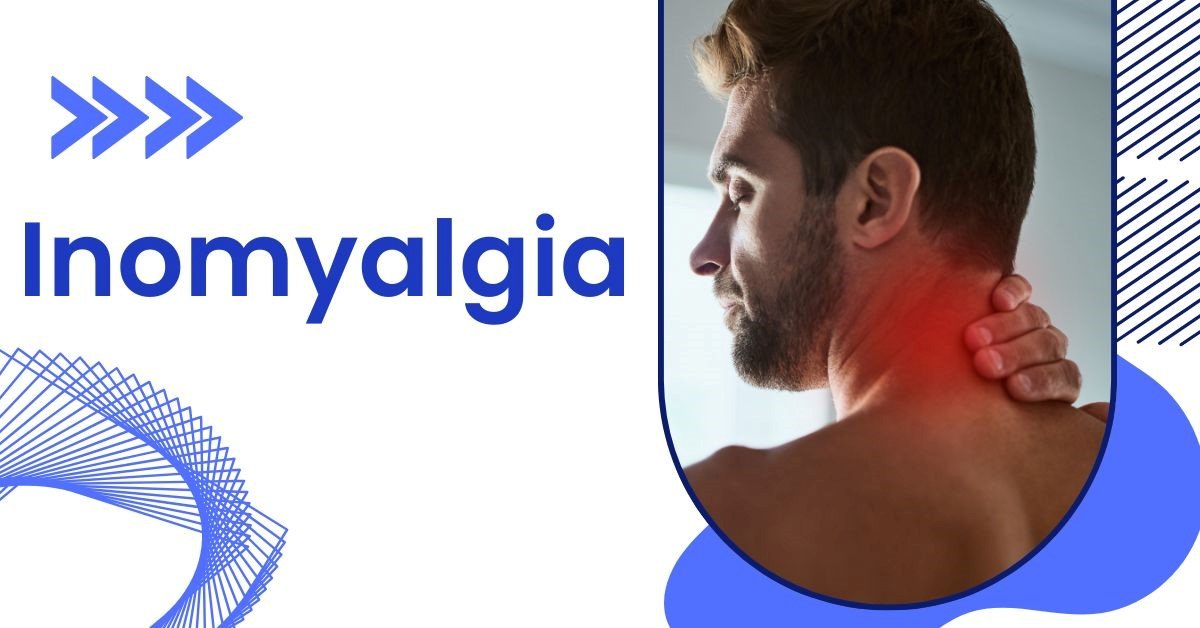
Inomyalgia is a medical term used to describe pain that originates specifically in the muscle fibers themselves. Unlike joint pain or nerve pain, inomyalgia is deep, aching, and often persistent, affecting everyday movement and comfort. Many people experience this condition without realizing its true cause, often confusing it with fatigue or general body soreness. In today’s fast-paced lifestyle filled with stress, sedentary habits, and poor posture, inomyalgia has become increasingly common, silently affecting quality of life.
What Inomyalgia Really Means
The word “inomyalgia” comes from three roots: “ino” meaning muscle fiber, “myo” meaning muscle, and “algia” meaning pain. Together, the term clearly defines pain arising from muscle tissue itself. This pain is not just surface-level discomfort; it often feels deep, tight, burning, or throbbing. It can be localized to a single muscle or spread across multiple muscle groups, making movement uncomfortable and sometimes even unbearable.
How Inomyalgia Differs from Other Muscle Pain
Not all muscle pain is the same, and this is where many people get confused. Common post-exercise soreness usually fades within a day or two, while inomyalgia can linger for weeks or even months. Nerve pain often feels sharp or electric, but inomyalgia feels heavy and aching. Joint pain worsens with movement at specific angles, while muscle-based pain remains even at rest in some cases. This difference is crucial for choosing the right treatment path.
Common Causes of Inomyalgia
Inomyalgia can develop from a wide range of physical, emotional, and medical triggers. Poor posture during work, long hours of sitting, repetitive movements, and overuse of certain muscle groups all play a major role. Emotional stress tightens muscles unconsciously, leading to chronic tension and pain. Dehydration, nutrient deficiencies, infections, hormonal imbalances, and autoimmune conditions can also weaken muscle tissue and trigger persistent muscle discomfort.
The Role of Stress and Mental Health
Stress is one of the most underestimated contributors to inomyalgia. When the body is under continuous mental pressure, it remains in a state of muscle tension. Over time, this tension reduces blood flow, limits oxygen delivery, and causes a buildup of waste products in muscle tissues. The result is soreness that doesn’t easily fade. Anxiety, depression, and emotional burnout can quietly turn into physical muscle pain without any visible injury.
Symptoms You Should Not Ignore
Inomyalgia doesn’t just show up as mild soreness. Common symptoms include deep muscle aches, stiffness, weakness, burning sensations, tenderness to touch, and reduced flexibility. Some people also report fatigue, sleep disturbances, and reduced stamina. The pain may worsen in cold weather, during periods of inactivity, or after prolonged physical effort. Ignoring these warning signs can allow the condition to become chronic and harder to treat.
How Inomyalgia Is Diagnosed
There is no single lab test that confirms inomyalgia instantly. Doctors usually rely on detailed medical history, physical examination, and elimination of other causes like nerve disorders or joint diseases. They may press on muscles to identify tender points and assess mobility. Blood tests may be ordered to rule out inflammation, infections, or autoimmune diseases. Imaging tests are rarely required unless serious underlying conditions are suspected.
Inomyalgia and Modern Lifestyle Habits
The modern lifestyle is a perfect breeding ground for muscle pain disorders. Long hours at desks, excessive screen time, lack of movement, poor sleeping posture, and unhealthy diets all strain muscle health. Muscles are designed to move regularly and receive proper nutrition. When movement is restricted and nutrition is compromised, muscles lose elasticity, become fatigued quickly, and are more prone to painful spasms and micro-injuries.
The Connection Between Inomyalgia and Fibromyalgia
Inomyalgia is sometimes confused with fibromyalgia, but they are not identical. Fibromyalgia is a widespread pain condition linked with nervous system sensitivity, sleep problems, and fatigue. Inomyalgia, on the other hand, is primarily muscle-fiber based pain. However, both conditions can overlap. Some people with fibromyalgia experience inomyalgia in specific muscle regions, making accurate diagnosis even more important.
Effective Medical Treatment Options
Medical management of inomyalgia depends on severity and underlying causes. Doctors may prescribe muscle relaxants, anti-inflammatory drugs, or mild pain relievers to control symptoms. In cases where the pain is linked with infections or autoimmune disorders, targeted medications are required. Physical therapy is often one of the most effective treatments, as it helps restore muscle strength, flexibility, and proper movement patterns without relying heavily on medication.
Physical Therapy and Movement-Based Recovery
Movement is medicine for inomyalgia when done correctly. Gentle stretching, guided exercises, posture correction, and manual therapy can significantly reduce muscle pain. Physical therapists focus on activating weak muscles, relaxing tight ones, and retraining movement patterns that reduce strain. Over time, consistent therapy improves circulation, reduces muscle stiffness, and restores confidence in daily movement.
Natural Remedies for Inomyalgia Relief
Nature offers powerful tools to manage muscle pain safely. Warm compresses and heat therapy relax tense muscles and improve blood flow. Cold packs reduce inflammation during flare-ups. Herbal remedies like turmeric, ginger, and magnesium-rich foods support muscle recovery from within. Hydration is often overlooked but remains essential, as dehydrated muscles are more prone to pain and cramping.
The Power of Nutrition in Muscle Healing
Muscle health depends heavily on proper nutrition. Protein supports muscle repair, while minerals like magnesium, calcium, and potassium regulate muscle contractions. Vitamin D strengthens muscles and bones, and B-complex vitamins support nerve-muscle coordination. Diets high in processed foods, sugar, and caffeine can worsen inflammation and fatigue, making inomyalgia symptoms more intense over time.
Exercise Without Making the Pain Worse
Many people fear movement when they experience muscle pain, but complete inactivity often makes inomyalgia worse. The key is low-impact exercise such as walking, swimming, yoga, and cycling. These activities improve circulation without overloading the muscles. Regular movement flushes out toxins, improves flexibility, and gradually rebuilds muscle resilience, helping prevent future pain episodes.

Sleep and Its Role in Muscle Recovery
Sleep is the body’s natural repair workshop. During deep sleep, growth hormones are released that repair muscle tissue and reduce inflammation. Poor sleep quality leads to increased pain sensitivity, slower recovery, and chronic fatigue. Creating a consistent sleep routine, improving mattress support, and reducing screen time before bed can dramatically improve symptoms of inomyalgia.
Posture Correction and Ergonomics
Bad posture silently strains muscles all day long. Rounded shoulders, forward head posture, and slouched sitting overload neck, shoulder, and back muscles. Simple ergonomic adjustments like proper chair height, screen positioning, lumbar support, and regular movement breaks can prevent unnecessary muscle tension and protect against recurring inomyalgia.
Emotional Well-Being and Pain Perception
Pain is not just physical; it is deeply tied to emotional health. Chronic stress heightens pain sensitivity by overstimulating the nervous system. Mindfulness, meditation, breathing exercises, and relaxation techniques calm the body and reduce the intensity of muscle pain. When emotional balance improves, physical pain often follows a similar healing path.
When Inomyalgia Becomes Chronic
Acute muscle pain that lasts a few days is usually harmless, but when inomyalgia persists for months, it becomes a chronic condition. Chronic inomyalgia can interfere with work, sleep, mood, and relationships. Early intervention is crucial to prevent this progression. A combination of physical therapy, lifestyle changes, emotional balance, and medical guidance offers the best long-term outcomes.
Preventing Inomyalgia Before It Starts
Prevention is always easier than treatment. Staying physically active, maintaining good posture, managing stress, staying hydrated, and eating a balanced diet go a long way in protecting muscle health. Warming up before exercise and stretching afterward reduce the risk of muscle injury. Listening to your body’s early warning signs helps stop minor discomfort from turning into chronic pain.
Living a Full Life with Inomyalgia
A diagnosis of inomyalgia does not mean a life limited by pain. With the right approach, many people regain full mobility and comfort. Recovery is not about quick fixes but building healthy habits that support muscles daily. Patience, consistency, and self-care form the foundation of lasting relief and stronger, pain-resistant muscles.
Conclusion
Inomyalgia is more than just ordinary muscle pain—it is a condition that reflects the health of your muscles, lifestyle, nutrition, and emotional well-being. While it can be frustrating and limiting, it is also highly manageable with the right strategies. From medical treatment and physical therapy to natural remedies and stress control, a well-rounded approach brings the best results. By understanding the true nature of inomyalgia and responding early, you can break free from constant discomfort and return to a more active, pain-free life.
FAQs
1. Is inomyalgia a serious condition?
Inomyalgia itself is not usually life-threatening, but if ignored, it can become chronic and significantly affect daily life and productivity.
2. Can inomyalgia go away on its own?
Mild cases can improve with rest and proper care, but persistent inomyalgia usually requires lifestyle changes and targeted treatment.
3. Does stress really cause muscle pain?
Yes, chronic stress keeps muscles in a constant state of tension, reducing oxygen supply and increasing pain sensitivity.
4. What is the fastest natural way to relieve inomyalgia?
Heat therapy, hydration, gentle stretching, and magnesium intake often provide rapid relief for muscle-based pain.
5. Should I avoid exercise if I have inomyalgia?
No, completely avoiding movement can worsen the condition. Gentle, low-impact exercise is usually beneficial and speeds up recovery.
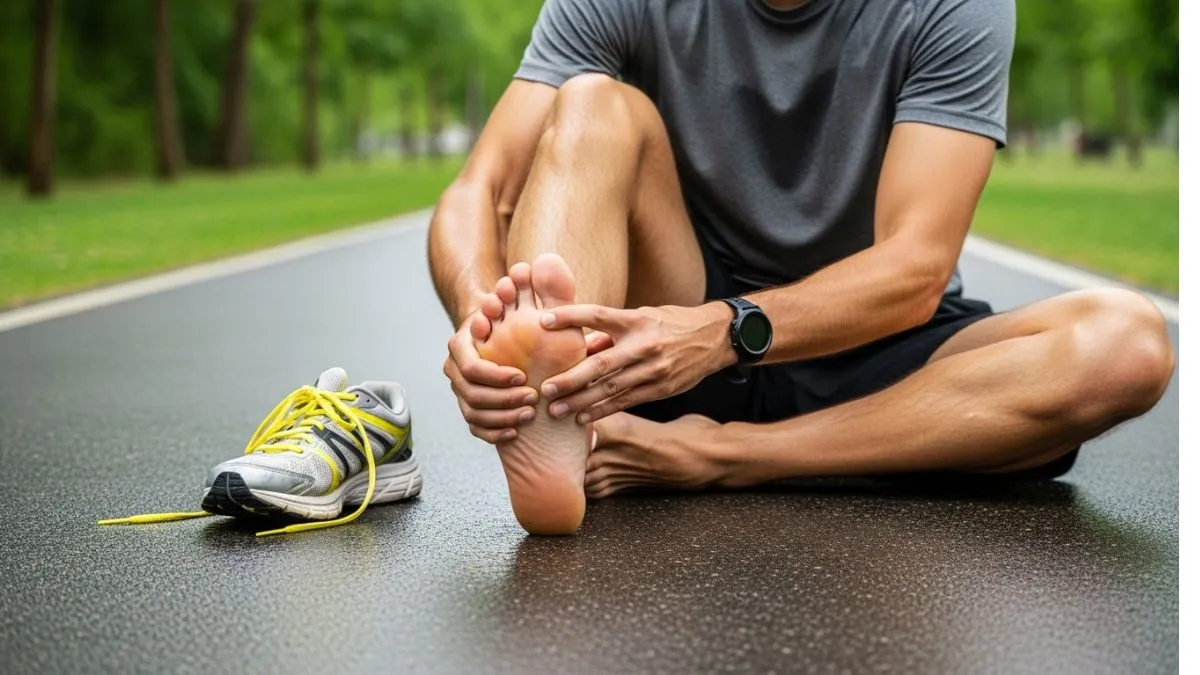
Introduction: Understanding Arch Pain After Running
Your arches hurt after running because the muscles and ligaments in your feet are under stress from repeated impact. It’s a common issue among runners, often linked to overuse, poor shoes, or weak foot muscles. The pain can feel like a dull ache, tight pull, or even a sharp sting after long runs. Yes, arch pain after running can be normal but only to a point. If the discomfort fades after rest or light stretching, it’s likely due to temporary strain. But if it keeps coming back, or gets worse with every run, that’s your body’s way of saying something’s off.
You shouldn’t keep running through arch pain. Pushing past it can turn a small strain into a lasting injury. Taking short breaks, switching shoes, or adjusting your form early can stop it from turning into something more serious like plantar fasciitis. In this article, you’ll learn the real reasons behind arch pain after running, simple ways to fix it fast, and practical habits that keep your feet healthy for the long run. Everything here is based on real running experience and expert-backed tips that work in the real world not theories or guesswork.
What Causes Arch Pain After Running?
Arch pain after running isn’t random it’s usually your body reacting to specific stress points. Understanding the cause helps you fix it faster and avoid repeat pain. Let’s look at the most common reasons runners face this issue.
Overuse and Muscle Fatigue
Arch pain often comes from overuse when your foot muscles work harder than they should, too often, without enough rest. Every stride stretches and tightens the tissues in your feet. Over time, those tissues tire out, especially if you’re running long distances or increasing mileage too quickly. When the arch muscles fatigue, they can’t support your body weight properly. That’s when discomfort turns into pain. Think of your arches as springs when they’re overworked, they lose bounce and stability.
Poor Footwear Choices
Shoes without solid arch support are one of the biggest culprits behind arch pain. When your running shoes lose cushioning or arch structure, your feet take the hit directly. Each step adds stress that good shoes should’ve absorbed. Old, worn-out soles also make your arches flatten more than they should. Over time, that stretching pulls on the plantar fascia the ligament that connects your heel to your toes and creates sharp or throbbing pain.
Flat Feet or Fallen Arches
If you’ve got flat feet or fallen arches, your foot’s natural curve collapses each time it hits the ground. This collapse overstretches ligaments and makes every stride feel heavier on the arch. The pain often feels like pressure spreading from the middle of the foot outward. For runners with this condition, long-term performance can dip because their feet tire faster and recover slower. Without enough arch lift, stability drops like running on soft sand where your feet sink a bit with every step. Supportive shoes and targeted exercises can help lift and strengthen those arches, reducing fatigue and improving running endurance.
Plantar Fasciitis Connection
Plantar fasciitis is a common condition where the thick band of tissue under your foot (the plantar fascia) gets inflamed. It’s one of the main causes of sharp arch pain, especially when you take your first steps after a run or a long rest. The pain usually starts at the heel and moves toward the arch. Runners often describe it as a stabbing or burning feeling. It can be triggered by too much mileage, tight calves, or running shoes that don’t support your foot shape.
Running Surface and Technique
Hard or uneven surfaces can make arch pain worse because they increase impact and pressure on your feet. Running on concrete gives almost no shock absorption, forcing your arches to handle all the stress. Poor technique adds to the problem. Overstriding (landing too far ahead of your body) or striking the ground too hard amplifies impact. Small adjustments like shortening your stride or landing midfoot instead of heel-first can take a lot of pressure off. If possible, switch up your training surface. Softer terrains like grass, dirt trails, or modern running tracks help reduce shock and protect your arches from repetitive stress.
How to Fix Arch Pain After Running
Arch pain doesn’t have to linger. With a few simple fixes and a little consistency, you can calm the soreness, strengthen your feet, and get back to running without pain. Here’s how to do it the right way.
Immediate Relief Methods
The quickest way to ease arch pain after running is through rest, ice, gentle stretching, and light compression. These steps reduce swelling and let the strained muscles recover faster. Start by taking a short break from running for a day or two. Rest gives your arches time to repair the small tears that cause soreness. Then, apply an ice pack wrapped in a thin towel for 15–20 minutes at a time, about two to three times a day. That’s the sweet spot for cooling inflammation without damaging tissue. Follow with simple stretches. Try pulling your toes toward you while sitting or rolling your foot over a cold water bottle. Add light compression with an elastic wrap if the pain feels sharp or swollen.
Strengthening Exercises for Arch Support
Strong arches handle impact better and recover faster. A few simple exercises can rebuild strength in your feet and stop future pain.
Try these:
- Towel Scrunches: Sit in a chair, place a towel under your foot, and pull it toward you using your toes. Do 2–3 sets daily.
- Heel Raises: Stand on both feet, lift your heels slowly, then lower them down. Repeat 10–15 times. This strengthens your calves and arches.
- Toe Curls: Pick up small objects like marbles or a pen with your toes. It sounds simple, but it builds solid control in the arch muscles.
- Foot Roll: Use a tennis ball or massage roller under your foot for one minute per arch to loosen tight tissue.
Choosing the Right Running Shoes
Good shoes make all the difference when dealing with arch pain after running. Look for pairs with proper arch support, firm midsoles, and enough cushioning to absorb shock. Your shoes should match your running style. If you’re a flat-footed runner, go for motion-control shoes with firmer support. If you’ve got high arches, look for models with soft midsoles that allow more flex. Sizing matters too. Your toes should have about a thumb’s width of space from the shoe’s front. Tight shoes strain your arches, while loose ones reduce support. Replace running shoes every 300–500 miles, depending on how often you run and the surface you use.
When to Use Orthotic Inserts
Orthotic inserts can help stabilize your arches and correct foot alignment. You can find two main types: custom orthotics (made by specialists to fit your exact foot shape) and over-the-counter options (available in most sports stores). Custom orthotics are best if you’ve got flat feet, recurring arch pain, or conditions like plantar fasciitis. They provide tailored support where your foot needs it most. Over-the-counter inserts, however, work well for minor discomfort and everyday use. If pain doesn’t improve after a few weeks of rest, stretching, and better shoes, it’s smart to consult a podiatrist. They can analyze your gait, spot underlying issues, and recommend the right orthotic setup for you.
Massage and Recovery Tools
Massaging your arches can relieve tension, improve blood flow, and speed up healing. You don’t need fancy gear simple tools can do the job. Start with a tennis ball or massage roller under your foot. Roll gently from heel to toes for about one minute per side. Focus on tight spots but avoid pressing too hard. You can also use your thumbs to knead the arch in small circles after runs. Foam rolling your calves helps too. Tight calves can pull on your arch tissue, so loosening them reduces strain below.
How to Prevent Arch Pain After Running
Warm-Up and Stretch Before Runs
One of the most effective ways to prevent arch pain after running is by dedicating time to proper warm-up and stretching routines. When your muscles, tendons, and ligaments are tight, they place additional strain on the arches of your feet during movement. A dynamic warm-up such as ankle rolls, calf raises, or light jogging helps improve blood circulation and flexibility, reducing the risk of micro-tears in the plantar fascia. Studies show that runners who engage in structured warm-up sessions experience up to a 40% lower injury rate, highlighting its critical role in injury prevention.
Follow a Balanced Training Plan
A well-structured training plan is essential for protecting your arches from overuse and strain. Running too frequently or increasing your mileage too quickly can overload the plantar fascia, leading to inflammation or even chronic pain. To avoid this, follow the 10% rule, which suggests increasing your weekly mileage by no more than 10% to allow your body to adapt gradually. Additionally, incorporating rest days and cross-training (like swimming or cycling) helps your muscles recover and reduces repetitive stress on the feet. Remember, balance is the foundation of endurance—both for your body and your arches.
Maintain a Healthy Weight
Your body weight plays a significant role in determining how much stress your feet endure with every step. Each pound of body weight exerts roughly three to four times its force on the foot during a run. Therefore, even slight changes in weight can influence foot mechanics and arch pressure. Maintaining a healthy weight not only improves running efficiency but also reduces the likelihood of arch fatigue and inflammation. Pairing regular exercise with a balanced diet rich in lean proteins, whole grains, and anti-inflammatory foods supports both foot health and overall performance.
Regular Foot Care and Maintenance
Long-term prevention of arch pain requires consistent foot care and attention to detail. Check your running shoes regularly—most should be replaced every 300–500 miles—to ensure proper arch support and shock absorption. Inspect your arches for soreness, swelling, or visible flattening that might indicate strain. Simple maintenance practices, such as keeping your feet moisturized, staying hydrated, and using a lacrosse ball or foam roller for massage, can enhance recovery and flexibility. Scheduling a monthly self-check or an occasional visit to a podiatrist ensures small issues are addressed before they turn into painful setbacks.
When to See a Doctor
Signs It’s More Than Simple Strain
While mild arch pain after running can often be managed with rest and at-home care, some symptoms signal something more serious that requires professional attention. If your pain persists for more than two weeks, worsens with activity, or includes sharp, stabbing sensations in the arch or heel, it’s time to see a doctor. Persistent swelling, redness, or warmth around the foot may also indicate inflammation or an underlying injury, such as plantar fasciitis, stress fractures, or tendon damage. Alarmingly, studies suggest that over 60% of runners ignore chronic arch pain until it significantly interferes with performance or daily life. Ignoring these red flags can lead to long-term complications, making early diagnosis crucial for proper healing.
Diagnostic Options and Treatments
When you visit a healthcare professional, the first step is typically a physical examination, where the doctor checks your gait, arch shape, and pain response. Depending on the symptoms, imaging tests like X-rays or MRIs may be used to rule out fractures, ligament tears, or severe inflammation. Treatment often starts with conservative options, including physical therapy, custom orthotics, and supportive footwear designed to correct alignment and relieve pressure on the arch.
In more persistent cases, your doctor might recommend corticosteroid injections or specialized stretching programs. Recovery time varies by condition mild cases can improve within a few weeks, while more severe issues may take two to three months of consistent treatment and rest to fully heal. With timely intervention, most runners can safely return to their training routines without long-term damage.
Practical Tips for Pain-Free Running
Running should energize you not leave you limping afterward. If you’re dealing with arch pain, incorporating a few simple habits into your routine can make a major difference. Here’s a short, actionable checklist designed to keep your feet strong, your arches supported, and your runs enjoyable.
- Stretch daily: Take five minutes before and after each run to stretch your calves, Achilles tendons, and the bottoms of your feet. These areas are directly connected to your arches, and flexible muscles reduce tension and prevent strain.
- Replace worn shoes: Even the best running shoes lose support over time. Replace them every 300–500 miles or sooner if you notice the soles wearing unevenly. Running in worn-out shoes is one of the top causes of recurring arch pain.
- Strengthen feet weekly: Dedicate time each week to simple foot exercises like towel scrunches, toe curls, and heel raises. These moves build the small stabilizing muscles that protect your arches from fatigue.
- Run on mixed terrain: Alternating between grass, trails, and pavement can reduce repetitive stress. Softer surfaces cushion the impact and allow your feet to recover while still maintaining endurance.
- Rest when pain starts: Never push through discomfort. Taking a day or two off early can prevent a minor ache from developing into chronic injury. Listen to your body—it’s your best injury prevention tool.
Final Thought
Arch pain after running doesn’t have to derail your fitness goals. With the right mix of awareness, recovery, and prevention, you can protect your arches and enjoy running comfortably for years to come. Remember—healthy feet start with small, consistent steps like stretching regularly, rotating your running shoes, and building strength through simple foot exercises.
Maintaining balanced training habits, keeping your weight in check, and listening to your body’s warning signs are just as vital as the miles you run. Prioritize recovery, respect rest days, and make foot care part of your weekly routine to keep every stride pain-free.
FAQs
Can I still run with arch pain?
You shouldn’t run with arch pain until it eases. Running through pain can make small strains worse and may lead to long-term issues like plantar fasciitis. Take a few days off, ice the area, and stretch your feet daily. Once the pain subsides, ease back with short, low-impact runs.
What’s the best arch support for runners?
The best arch support fits your foot type and running style. Runners with flat feet often need firm, structured insoles, while high arches benefit from cushioned support that absorbs shock. Shoe stores with gait analysis tools can help match you to the right support for your stride.
Does running barefoot help or hurt?
Running barefoot can help some runners but hurt others. It strengthens small foot muscles but removes protective cushioning. Transitioning too quickly can strain your arches. If you want to try it, start slow short runs on soft grass or sand and let your feet adapt gradually.
How long does arch pain take to heal?
Most mild arch pain heals within 1–3 weeks with rest and care. Severe cases or those linked to plantar fasciitis can take up to 8 weeks. Consistent icing, stretching, and supportive footwear speed up recovery. Avoid long runs until your feet feel fully stable and pain-free.
Can arch pain cause other injuries?
Yes, untreated arch pain can trigger chain reactions in your body. When your arches hurt, your gait changes, which stresses your knees, hips, and back. Over time, this imbalance may cause injuries like shin splints or IT band syndrome. Fixing arch pain early prevents bigger problems later.
-
 Fitness5 months ago
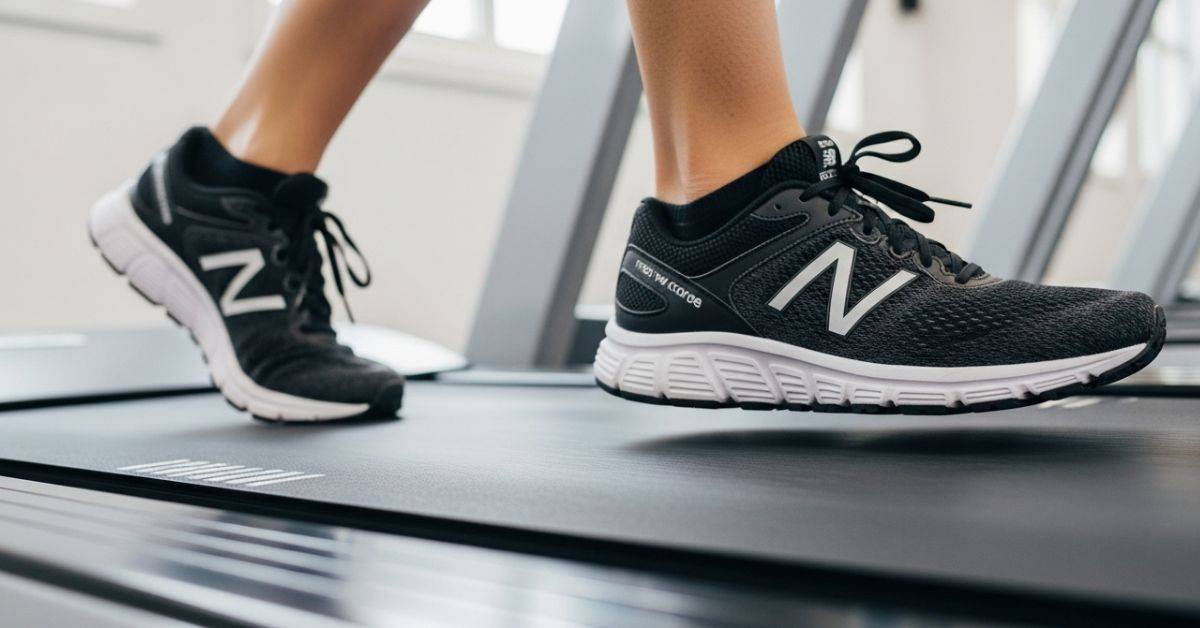
Why New Balance Running Shoes Are the Perfect Fit for Your Feet
-
 Sports Products5 months ago
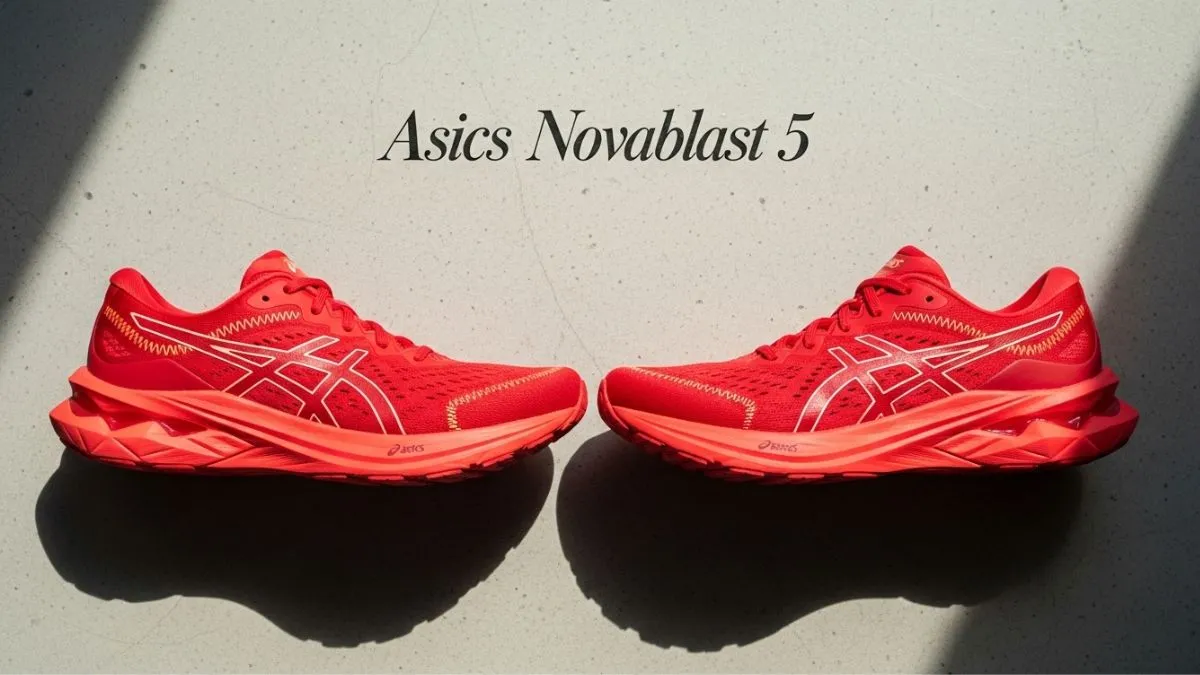
Asics Novablast 5 Review: Best Running Shoes 2025
-
 Sports Products5 months ago
Top 10 Running Shoes of 2025: Comfort, Speed, and Style Combined
-
 Sports Products5 months ago
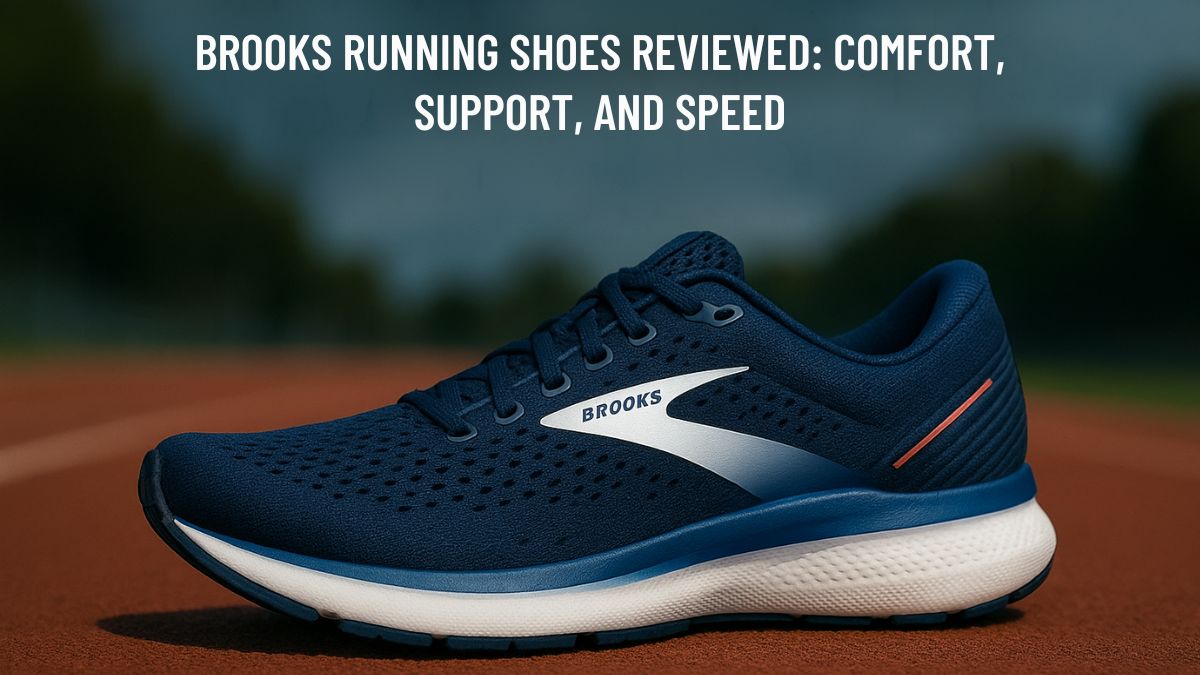
Brooks Running Shoes Reviewed: Comfort, Support, and Speed
-
 Sports Products5 months ago
Top 10 Best Shoes for Hyrox to Boost Your Race Performance
-
 Sport5 months ago
10K to Miles: Complete Guide to Running Distance Conversion
-
 Sports Products5 months ago
Why the Nike Hyperko 2 Is the Top Pick for Serious Fighters
-
 Fitness5 months ago
Best Training Routines for Explosive Sports Legs